Live Zhanjiang oysters grilled whole over charcoal in their shells — each shell becomes a self-contained steaming vessel — then topped with garlic paste that sizzles and caramelizes in the bubbling oyster liquor. A street-food invention of 1990s Zhanjiang that went national within a decade.



Grilling oysters over an open fire was a staple of Zhanjiang fishing communities long before the modern version took shape. The definitive preparation — prying open a pre-heated oyster and spooning in garlic paste to sizzle on the liquor — emerged in the early 1990s in Zhanjiang, the southernmost coastal city of Guangdong. From there it spread across the province within a few years and across the country within a decade, becoming arguably the most widely recognized product of Zhanjiang cuisine. The quality of the base ingredient is decisive: Zhanjiang's near-shore oysters (近江牡蛎, Crassostrea rivularis) benefit from exceptionally rich coastal waters, and the city is one of China's most important oyster-producing regions.
The shell arrives smoking; you lean in before the steam disperses. The oyster has cooked in its own liquor — plump, saline, slightly smoky from the charcoal. The garlic on top has caramelized at the edges and dissolved into the briny juices, becoming sweet, mellow, and inseparable from the oyster beneath.
Charcoal provides radiant heat at 250–300°C, far more intense than a gas flame's convective heat. The closed shell traps the oyster's own liquor as it heats; as the liquor approaches boiling, steam circulates inside the shell, cooking the oyster from all sides simultaneously — the shell acts as a miniature pressure vessel. When the shell is pried open and garlic paste added, alliinase in the raw garlic converts alliin to allicin at temperatures around 60°C; at higher temperatures, allicin further breaks down to diallyl sulfide and related aromatic sulfur compounds, producing the characteristic caramelized garlic fragrance rather than the harsh raw bite.
Variations
The garlic version dominates sales, but butter-grilled oysters (黄油烤蚝) and plain unsauced oysters are also popular in Zhanjiang. Some stalls offer a spicy version with chopped fresh chili mixed into the garlic paste. Across the country, adaptations include a cheese-gratin version and a version with glass noodles, though Zhanjiang purists regard these as departures from the original.
On the Palate
Where Garlic Grilled Oysters sits in the Chinese flavor cloud
Ingredients
Serves 4How it's made
6 steps · 20 min
- 15 min
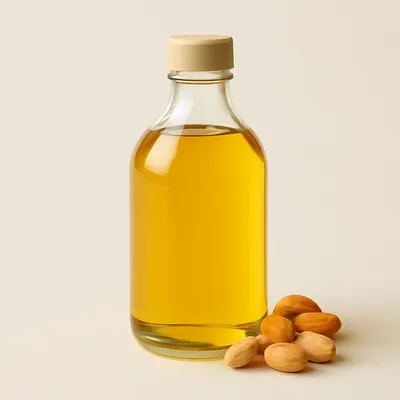
Scrub oyster shells thoroughly under cold running water. Mince garlic very finely; mix with peanut oil and a pinch of salt to form the garlic paste.
- 25 min
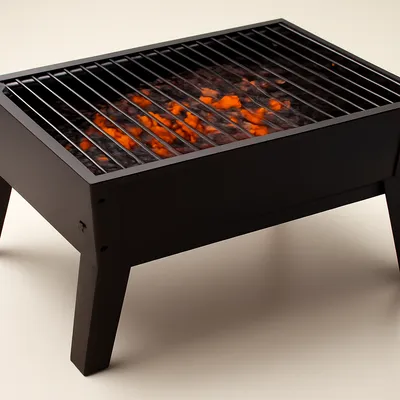
Light charcoal in a grill and allow it to ash over until evenly glowing red with no visible flames.
Watch outWait until the charcoal ashes over to an even red glow with no flames — live flames scorch the shell before the oyster ever cooks.
- 31 min
Lay whole oysters flat on the grill, cupped shell facing down, over direct charcoal heat.
- 42 min
Grill for about 1 minute until steam begins to escape from the shell seam and the edges begin to pry naturally. Use an oyster knife to pry open the top shell; discard it.
Watch outGrill cupped-side down until steam escapes the seam and the shell starts to pry — that steam is the oyster cooking in its own liquor.
- 51 min
Spoon a generous teaspoon of garlic paste directly onto the exposed oyster meat in the remaining shell. Return to the grill.
Watch outPull them when the garlic edges turn golden and the liquor bubbles around the meat — go past that and the oyster shrinks tough.
- 62 min
Grill 1–2 minutes more until the garlic paste turns golden at the edges and the oyster liquor is visibly bubbling around the meat. Serve immediately in the shell.
Archive tool suggestions — not reviewed
These legacy suggestions have not been evidence-reviewed and are not presented as required tools.