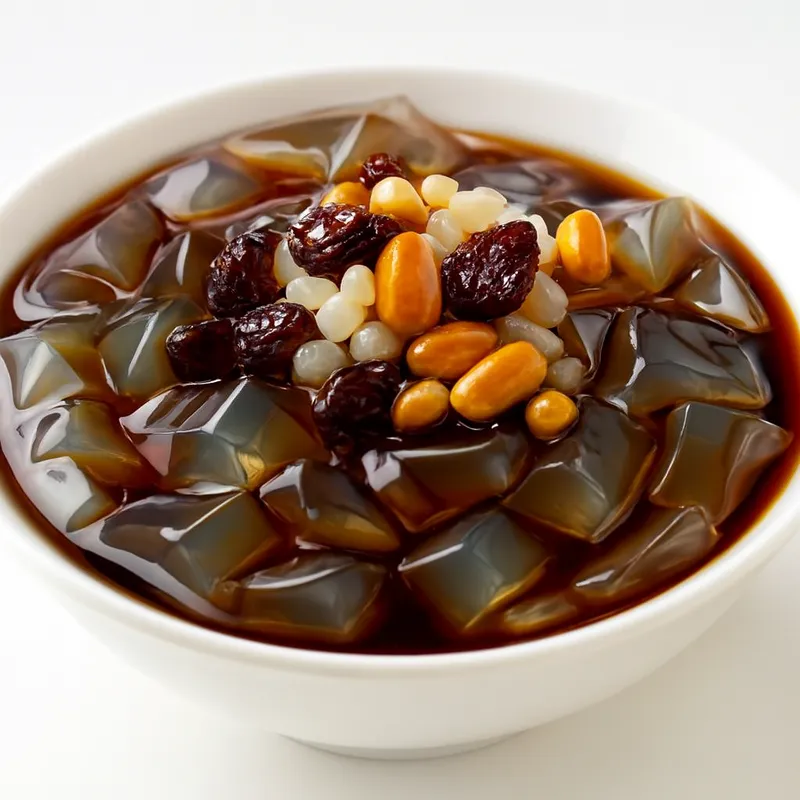
Caramelized oyster extract reduced with soy and sugar — thick, brown, deeply savory. Cantonese stir-fry's default seasoning.


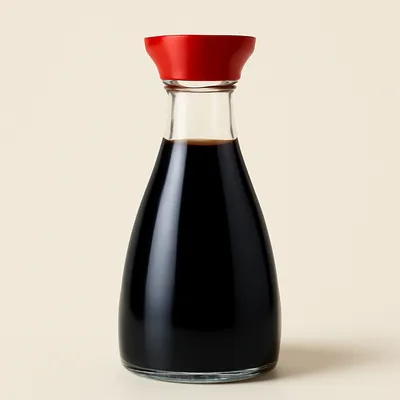

1888, Nanshui village, Zhuhai. Lee Kum Sheung over-boiled a pot of oyster soup; the bottom darkened and thickened to syrup. He bottled it as Lee Kum Kee — the company still operates and uses Nanshui in its origin story.
Cheap brands list 'oyster extract' below 5%; Lee Kum Kee Premium Oyster Flavored Sauce lists oyster extractives first. The 'Panda' brand on US shelves contains almost no oyster — read the label.
Espresso-dark, syrup-thick, glossy. Briny-sweet front (real oyster glutamate), light caramel mid, soy salt at the end. Coats vegetables in a thin lacquer; clings to gai-lan stems and broccoli florets where bare soy would slide off.
Glutamate from oyster extract + reducing sugars from caramelization = a savory-sweet umami stack soy alone can't deliver. Add at the very end of the wok — boiling more than 30 seconds dulls the oyster note to flat soy.
Variations
Lee Kum Kee Premium (Old Label, oyster-forward); LKK Panda (sweeter, mass-market); vegetarian 'mushroom oyster sauce' from shiitake — same body, different glutamate source, common in Buddhist temple cooking.
On the Palate
Where Oyster Sauce sits in the Chinese flavor cloud
Ingredients
Serves 6How it's made
4 steps · 1 hour 45 min
- 160 min
Boil 500 g fresh oysters in their own juices 1 hr until extract is concentrated.
Watch outSimmer the oysters low and long until the liquor turns concentrated and glossy — that reduction is where the umami lives.
- 210 min
Strain through cheesecloth to clear liquor.
- 330 min
Reduce liquor in pan with 100 g sugar + 60 ml dark soy 30 min to thick caramel-brown sauce.
Watch outReduce to a thick caramel-brown — watch closely near the end, sugar and soy scorch to bitter in seconds.
- 45 min
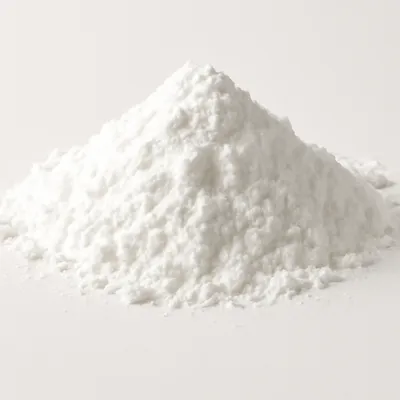
Stir in 30 g cornstarch slurry to thicken; bottle.