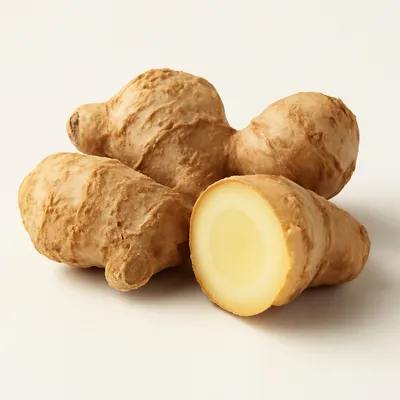
A hallmark dish of Fangchenggang's Jing ethnic minority—free-range sea ducks that forage among red mangrove tidal flats for shrimp, mollusks, and small fish are simmered gently just until done in lightly salted water, then chopped and served with a sand ginger and soy sauce dip. The meat is dark, firm, and faintly briny in the cleanest possible way. No aromatic overture, no sauce concealment—only the purest expression of an animal that lived by the sea.




The Jing people—China's sole sea-dwelling ethnic minority—migrated from northern Vietnam to the three islands of Fangchenggang (Wantou, Shanxin, and Wutou) in the early sixteenth century during the Zhengde reign of the Ming dynasty, establishing a fishing culture governed by a philosophy of minimal culinary intervention: the sea provides its own flavor; the cook's duty is not to improve it. White-cut preparations became the default mode for poultry precisely because mangrove sea ducks, foraging daily in tidal flats among shrimp and shellfish, already carry the sea's complexity in their flesh. The tradition has been transmitted within Jing households across generations and is recognized in the 2025 Guangxi Intangible Heritage Food Map under Fangchenggang.
The meat is firmer and darker than any farm-raised duck—chewing through releases a mineral-brackish note, not fishy but oceanic, like the smell of a clean beach at low tide. The skin is thin and uncloying, the fat layer nearly absent. Against the mild sharpness of the sand-ginger dipping sauce, the duck's natural salinity snaps into focus: you taste the mangrove in the meat.
Mangrove sea ducks forage on shellfish, small fish, and crustaceans rich in marine minerals; their fat is naturally higher in omega-3 polyunsaturated fatty acids (approximately 2–3 times the concentration of pen-raised ducks) and richer in selenium, iodine, and zinc—compounds that contribute the characteristic mineral-marine flavor. The white-cut method simmers at 85–90°C rather than at a full boil, preventing the over-contraction of myosin and actin proteins that causes toughening; pulling the duck off heat and resting in residual steam coasts the muscle to the 65–70°C complete-denaturation window without overshooting into the rubbery zone. Slicing warm preserves volatile aromatic compounds in the subcutaneous fat before they re-solidify on cooling.
Variations
Dipping sauce variations: raw garlic and chilli oil; fermented fish sauce thinned with fresh lime juice in the Jing tradition. Aromatic broth version: simmer the duck in a stock with lemongrass and galangal. Cold-plated version: refrigerate after poaching and slice cold, serving with shredded young ginger and sesame oil—firmer texture, ideal as a summer cold dish.
On the Palate
Where White-Cut Mangrove Sea Duck sits in the Chinese flavor cloud
Ingredients
Serves 4

How it's made
7 steps · 20 min
- 110 min
Select a whole mangrove sea duck (1.5–2 kg). Clean thoroughly, remove remaining pin feathers, and rub inside and out with coarse salt. Rinse well and pat dry.
- 25 min
Bring 3 liters of water to a boil in a large pot with 2 tsp salt, 3 ginger slices, and 2 spring onion stalks. Lower the duck into the pot breast-side down.
- 340 min
Reduce heat immediately to a gentle simmer (85–90°C—barely bubbling, not rolling). Cook for 35–40 minutes, turning the duck once at the halfway point, until juices at the thigh joint run clear.
Watch outHold the water at a bare tremble around 85 to 90 degrees, never a rolling boil — a hard boil toughens the breast and splits the skin.
- 415 min
Turn off the heat, cover the pot tightly, and allow the duck to rest in the residual hot water for 15 minutes to finish cooking evenly through to the bone.
Watch outKill the heat and let it rest covered in the hot water — the residual heat carries it just to the bone so the meat stays juicy.
- 55 min
Remove the duck, drain, and brush the skin with a thin layer of sesame oil to add sheen and prevent drying. Allow to cool just until handleable.
- 63 min
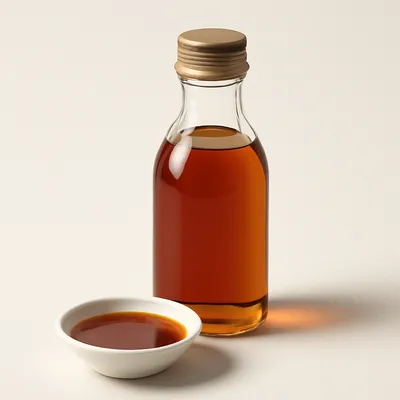
Prepare the dipping sauce: combine 3 tbsp light soy sauce, 1 tbsp sesame oil, 1 tsp minced sand ginger (or regular ginger), and a pinch of sugar. Stir well.
Watch outBrush the skin with a thin film of sesame oil while still warm — it gives the sheen and keeps the skin from drying and cracking.
- 75 min
Chop the duck into bite-sized pieces with a heavy cleaver. Arrange on a platter and serve immediately with the dipping sauce on the side.
Archive tool suggestions — not reviewed
These legacy suggestions have not been evidence-reviewed and are not presented as required tools.