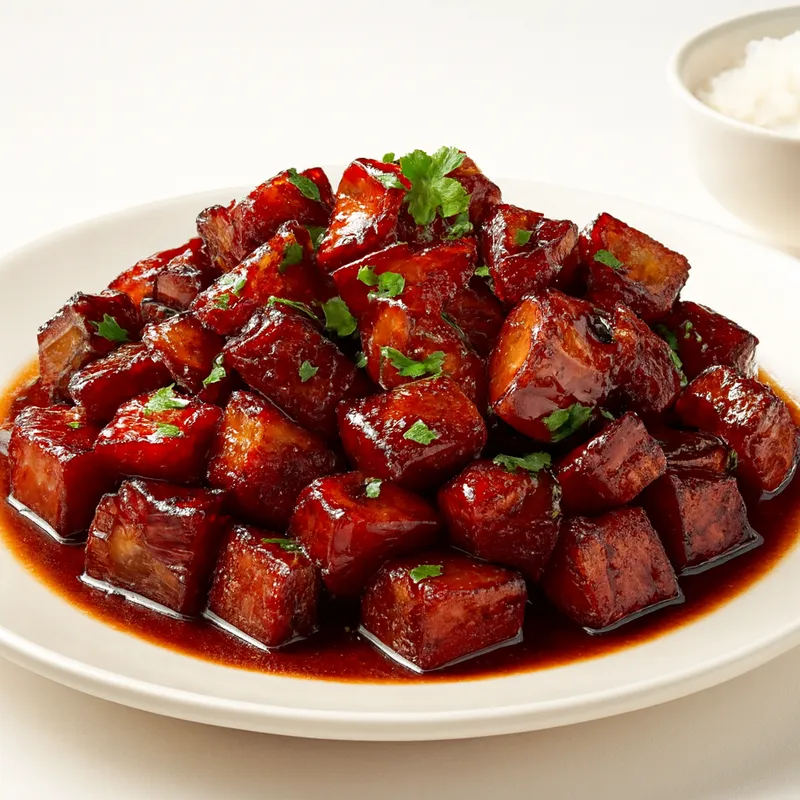
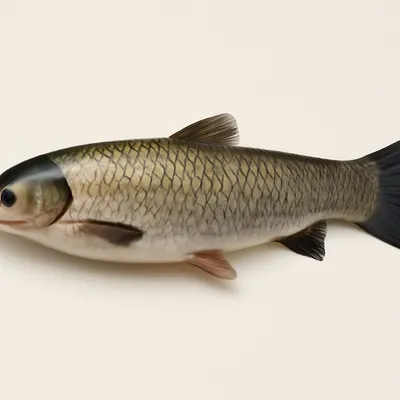
A whole grass carp briefly starved to purge its muddy flavors, then poached in simmering water until just cooked, and draped in a glossy, tangy-sweet sauce of ginger, Zhenjiang vinegar, and sugar — the signature dish of Hangzhou and one of China's oldest banquet preparations.



The dish's origins trace to Southern Song dynasty (1127–1279) Hangzhou, then the imperial capital Lin'an. Song-dynasty records tell of Emperor Gaozong encountering a fish preparation by a vendor named Song Wusao (宋五嫂) at West Lake that he greatly enjoyed — this is the folk ancestor of the dish, associated with 宋嫂鱼羹. Yuan Mei's Suiyuan Shidan (《随园食单》, 1792) records a closely related preparation called 'cu lou yu' (醋搂鱼), noting its Hangzhou association. The name 'West Lake Vinegar Fish' (西湖醋鱼) crystallized in late Qing writings. Louwailou (楼外楼), the venerable restaurant on West Lake's shore, is traditionally associated with formalizing the dish's modern whole-fish presentation and it became the restaurant's defining signature dish through the Republican era.
Silky white fish that genuinely recalls crab sweetness — the vinegar-ginger glaze crests bright and tart, then softens into a lingering sweetness that makes the dish revelatory at its best.
The pre-fasting technique is deliberate: a live grass carp deprived of food for one to two days evacuates its intestines, eliminating trimethylamine and other off-odorant compounds from gut and muscle tissue, producing the 'crab-like' clean sweetness the dish is famous for. The fish is poached at 80–85°C rather than boiling to prevent protein toughening — gentle coagulation keeps the flesh just-set. The sauce relies on a vinegar-to-sugar ratio of roughly 1:1.5 by volume; at this balance, the acetic acid and sweetness interact with the fish surface to form a glaze that is simultaneously savory and brightly tart.
Variations
Home cooks substitute tilapia or sea bream for hard-to-source fresh carp, often shallow-frying before saucing. Northern 'sweet-and-sour carp' (糖醋鲤鱼) takes the opposite approach — the whole fish is deep-fried at 190°C until crisp, then flooded with the same-style sauce, producing a completely different textural experience that defines the Lu cuisine version.
On the Palate
Where Sweet and Sour Fish sits in the Chinese flavor cloud
Ingredients
Serves 3
How it's made
7 steps · 20 min
- 110 min
Score a 750 g grass carp (cleaned) with diagonal cuts every 2 cm along the back so sauce penetrates evenly.
- 25 min
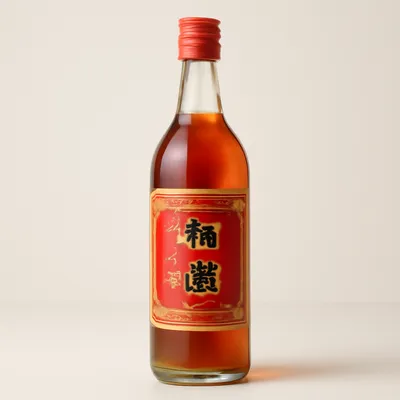
Bring a wide shallow pot of water to a gentle simmer (80–85°C); add ginger slices and 2 tbsp Shaoxing wine.
- 310 min
Lower fish in carefully; maintain gentle simmer (no rolling boil) 8–10 minutes until flesh is just opaque throughout.
Watch outHold the water at a bare simmer around 80°C, never boiling — a hard boil toughens the flesh; you want it just turned opaque.
- 43 min
Meanwhile, combine sauce: 3 tbsp Zhenjiang vinegar, 2.5 tbsp sugar, 1 tbsp soy sauce, 1 tsp ginger juice, and 150 ml poaching liquid in a small saucepan.
- 53 min
Bring sauce to a boil; stir in 1 tbsp cornstarch mixed with 2 tbsp water; simmer until thick and glossy.
Watch outReduce the sweet-sour sauce until it's thick and glossy enough to coat the fish — thin sauce slides off and won't glaze.
- 61 min
Lift fish carefully onto a serving platter; pour hot sauce evenly over the entire fish.
- 71 min
Garnish with fine-cut ginger shreds; serve immediately — the dish must be eaten at once before the sauce thins and the fish loses heat.
Watch outServe the instant it's sauced — let it sit and the glaze thins and the fish goes cold and loses its bright edge.
Archive tool suggestions — not reviewed
These legacy suggestions have not been evidence-reviewed and are not presented as required tools.