Liancheng Nine-Part Beef Hotpot, known locally as "shuan jiu mentou" (flash-cooking the nine gates), is a Hakka specialty of Liancheng County in western Fujian's Longyan. It draws nine prime cuts from a single yellow ox — tongue, omasum, abomasum tip, heart, lean loin, reticulum, liver, kidney and rumen wall — each cleaned, knife-dressed and sliced thin, then flash-poached for mere seconds at the table in a near-boiling broth of fresh Hakka rice wine and warming herbs. The diner cooks each piece to its exact moment so the offal stays crisp-tender rather than rubbery, dips it in ginger juice and salt, and drinks the fragrant medicinal broth alongside. In 2018 it was named one of Fujian's Ten Classic Dishes. A single ox yields all nine parts, giving rise to the local saying that "one round of the nine parts is to taste a whole ox."
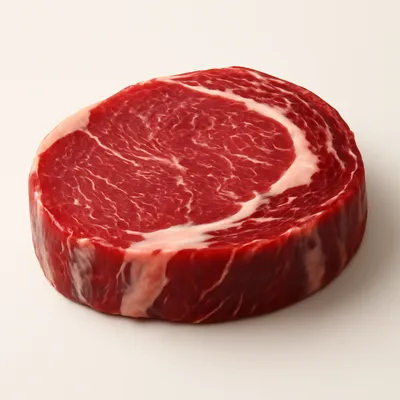
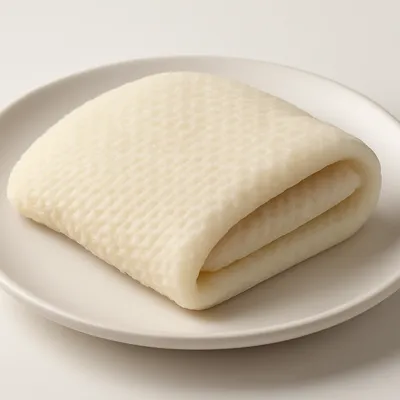
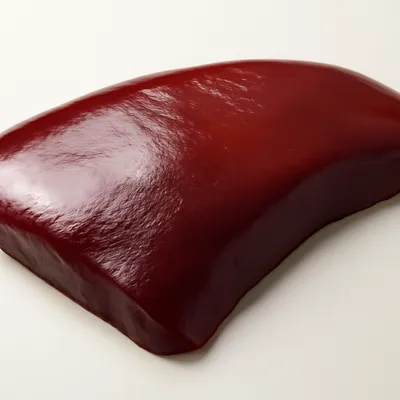


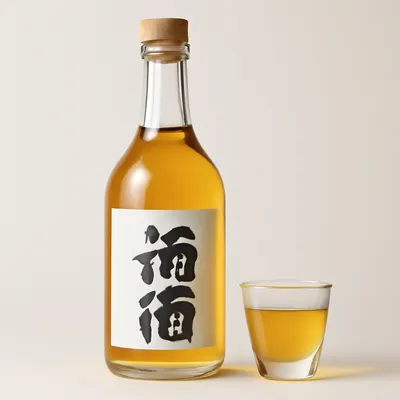
Shuan jiu mentou comes from the Pengkou Stream valley of southern Liancheng. As the story goes, the boatmen who worked the stream stood long days in the water and, to drive out the damp, would decoct medicinal herbs such as fragrant-vine root and duck-fragrance grass to drink; one of them found that simmering these herbs with beef and rice wine made something remarkable, and rice-wine-stewed "nine gates" gradually spread. The dish was refined from the older "qiang mentou" warmed-wine offal tradition of the Xinquan and Miaoqian townships into the present tableside flash-cooked form. It belongs to the Hakka branch of Fujian cuisine, and on 10 September 2018 the China Cuisine Association named it among Fujian's Ten Classic Dishes when "Chinese Cuisine" was unveiled in Henan.
Each cut lands on the palate at its own pitch: tongue and lean loin silky and yielding, omasum and reticulum crisp and springy, heart and kidney clean and dense, liver soft and just-set. Bitten the instant it leaves the broth, the offal snaps with that prized crisp-tenderness; a beat too long and it turns rubbery. Over it all runs the warming, faintly sweet aroma of rice wine and herbs, lifted by sharp fresh ginger and a clean pinch of salt.
The whole dish turns on timing and knife work. Each part is cleaned to its own method — omasum scoured with quicklime to strip the membrane, kidney scored and de-veined to lose its tang — then sliced paper-thin so it cooks through in seconds. The broth is held at a rolling near-boil; pieces go in by a strict order, the firm heart, liver, tongue and abomasum tip first, then lean beef and rumen wall, and the quick-setting omasum and reticulum last. A few seconds sets the surface proteins just to doneness while leaving the interior tender, so the collagen-rich tripe stays crisp-springy instead of tightening into rubber and the liver stays soft instead of seizing dry and grainy. The broth itself is built on fresh same-year rice wine and warming herbs — ginger, fragrant-vine root, angelica root, goji and the like — which give aroma, wine-borne esters and, by local reckoning, a body-warming, damp-dispelling tonic character prized in Hakka winter eating.
Variations
Households and restaurants disagree on exactly which nine parts make the cut, so the set varies — common ones run to tongue tip, omasum, abomasum tip, heart, lean loin, reticulum, liver, kidney and rumen wall, with some lists adding heart-vessel or substituting other innards. The broth's herbs likewise differ by family and season, from the classic fragrant-vine root and duck-fragrance grass to added angelica, goji, tangerine peel or Sichuan pepper. Some cooks pre-marinate the beef before the flash-poach; others keep it bare for the broth to do the work. Where good ox offal is scarce, pork variants of the "nine gates" appear, though the yellow-ox version remains the standard.
On the Palate
Where Liancheng Nine-Part Beef Hotpot sits in the Chinese flavor cloud
Ingredients
Serves 4


How it's made
8 steps · 50 min
- 110 min
Buy nine fresh parts from one yellow ox: tongue, omasum, abomasum tip, heart, lean loin, reticulum, liver, kidney and rumen wall.
- 215 min
Clean each part by its own method — scour the omasum with quicklime to strip the black membrane, score and de-vein the kidney, rinse all the offal repeatedly until clean.
- 315 min
Slice every part paper-thin and dress it with the right cut (florets, slices or pieces) according to its grain, then arrange the nine on platters.
Watch outSlice every part paper-thin so it cooks through in seconds — anything thick turns rubbery in the flash-poach.
- 45 min
Pound fresh ginger for juice and set out the dipping salt; ready the herbs — fragrant-vine root, angelica, goji and the like.
- 530 min
Build the broth: bring water and same-year rice wine to a boil with ginger and the herbs, then simmer to draw out their aroma.
- 62 min
Hold the broth at a rolling near-boil at the table; flash-poach the firm cuts first — heart, liver, tongue and abomasum tip — for only seconds.
Watch outPoach the firm cuts just a few seconds until the surface sets — the instant they curl they're done; leave them and they seize up tough.
- 73 min
Next flash-poach the lean beef and rumen wall, then last the quick-setting omasum and reticulum, lifting each piece the instant it is just set.
Watch outLift the omasum and reticulum the moment they set — a beat too long and the crisp-springy bite goes to leather.
- 85 min
Dip each cut in ginger juice and salt, eat at once while crisp-tender, and drink the fragrant medicinal broth alongside.
Archive tool suggestions — not reviewed
These legacy suggestions have not been evidence-reviewed and are not presented as required tools.



