The flagship dish of Luotian County, known as China's chestnut capital: a free-range spring chicken braised low and slow with the county's famed fresh chestnuts until both surrender their sweetness into a mahogany, nutty-rich sauce. A definitive taste of eastern Hubei in autumn.



Luotian County in Huanggang, eastern Hubei, is China's leading chestnut-producing county, with a documented cultivation history spanning over a millennium; it holds the title '中国板栗之乡' (China's chestnut hometown) and sustains a chestnut base of 600,000 mu with an annual output reaching 60,000 tonnes. A local children's rhyme — '罗田板栗炖鸡汤' — attests that the pairing of chestnuts with chicken predates any written recipe and is deeply embedded in everyday life. The braised-chicken format reflects the dominant cooking style of the eastern Hubei (鄂东) school, which prizes red-braising (红烧) and long, patient simmering over the quick stir-fry tradition of the west. In 2020, 罗田板栗烧仔鸡 was enshrined in the first 21 Hubei Chu Cuisine Standards (楚菜标准) as the representative dish of the Huanggang regional flavor.
The chestnut crumbles at first pressure, dissolving into the sauce-soaked meat. The sauce itself clings — mahogany, sweet-savory, faintly smoky from the soy glaze. The chicken falls from the bone while still holding a thread of spring tenderness.
Chestnuts contain roughly 40% starch and 14% free sugars. As braising reaches 90–100°C, chestnut starch granules gelatinize (膨润糊化), naturally thickening the sauce while absorbing rendered chicken fat. The Maillard reaction between the chicken skin's amino acids and the reducing sugars released by the chestnuts — initiated during the initial sear — generates over 300 volatile compounds responsible for the mahogany hue and the nutty-caramel aroma that defines the dish. Young spring chicken (仔鸡) is chosen because its bones remain partly cartilaginous: collagen dissolves into gelatin during simmering, giving the sauce glossy body without a starch thickener.
Variations
Dried Chestnut Braised Old Hen: the winter version using cured dry chestnuts and a spent laying hen, braised over two hours for a more intense, concentrated broth. Chestnut and Pork Rib Braise: a leaner alternative substituting ribs for chicken, popular in rural Luotian households. Chestnut Steamed Chicken: chicken pieces and chestnuts stacked in a ceramic crock and oven-steamed for 90 minutes, preserving a clear, naturally sweet broth.
On the Palate
Where Luotian Chestnut Braised Chicken sits in the Chinese flavor cloud
Ingredients
Serves 4


How it's made
7 steps · 15 min
- 18 min
Score chestnuts with an X on the flat side; blanch in boiling water for 3 minutes, then peel while hot, keeping chestnuts whole.
- 25 min
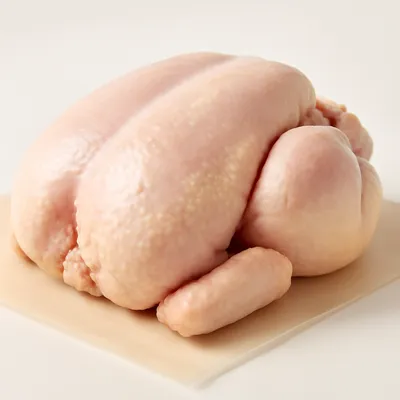
Cut a free-range spring chicken (about 1.2 kg) into bone-in pieces; pat thoroughly dry with paper towels.
- 310 min
Heat 2 tbsp vegetable oil in a wok over high heat; sear chicken pieces skin-side down until deep golden brown, about 4 minutes per side. Remove and set aside.
Watch outPat the chicken bone-dry before it hits the oil — surface water kills the sear and makes the oil spit.
- 45 min
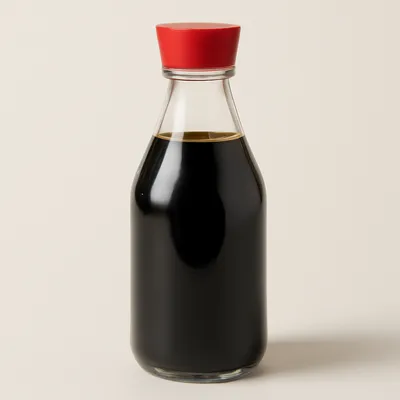
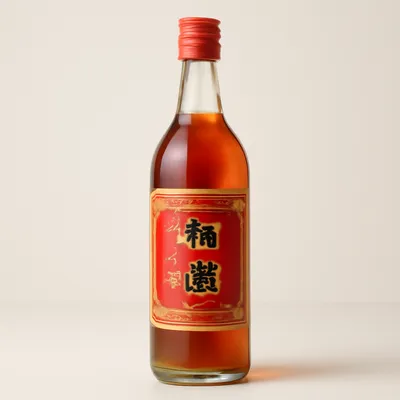
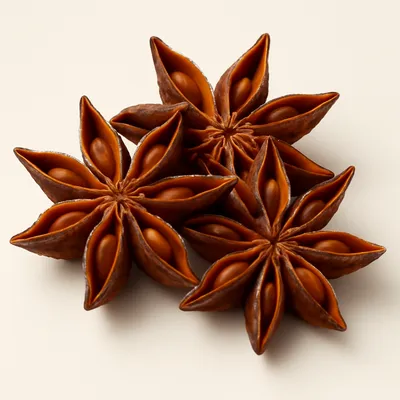
In the same wok, stir-fry ginger slices, dried chili, and star anise until fragrant; add soy sauce, dark soy sauce, Shaoxing wine, and sugar, stirring to combine.
Watch outSear skin-side down to deep golden brown, not pale — that crust is where the mahogany colour and nutty aroma come from.
- 55 min
Return chicken to the wok; add chestnuts and enough water to just cover. Bring to a full boil, then reduce to a low simmer.
- 640 min
Cover and simmer for 35–40 minutes, turning pieces gently halfway, until chicken is tender and chestnuts are soft and beginning to crumble at the edges.
- 77 min
Uncover, raise heat to medium-high, and reduce the sauce for 5–7 minutes until it coats the back of a spoon and turns glossy. Adjust seasoning and serve.
Watch outReduce until the sauce coats a spoon and turns glossy — chestnuts should be soft and just crumbling at the edges.


