
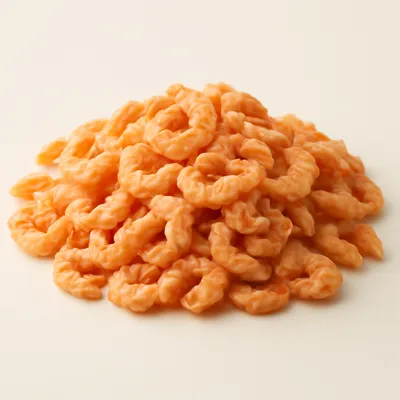
A pan-fried wheat-dough turnover from the home kitchens of northern China, eaten as breakfast, a snack, or a light staple. A round of dough is rolled thin, heaped with a filling of chopped Chinese chives bound with scrambled egg and often soaked glass noodles and dried shrimp, then folded into a half-moon and crimped shut along the curved edge. It is cooked in a lightly oiled flat pan, sometimes dry-griddled, until both faces blister into golden-brown spots and the skin puffs with trapped steam. The dough is made by scalding part or all of the flour with boiling water (烫面 or 半烫面) so the cooked pocket stays soft and pliable rather than hard. It is cut into wedges and eaten hot, when the chives are at their most fragrant.
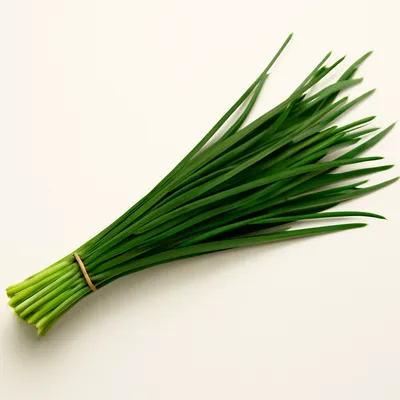



Chive pockets are an old folk food of the northern Chinese home table, and no inventor or date can be traced; their roots lie simply in the long northern tradition of wheat flatbreads and stuffed dough. Chinese chives (韭菜, Allium tuberosum) have been cultivated and eaten in China since antiquity, and the half-moon stuffed and pan-fried pocket is one of the plainest ways the northern kitchen has long used them, alongside chive dumplings and chive boxes baked or griddled at home. The dish carries no single regional pedigree — it is made across the north and in many southern homes as well. In February 2022 it had a sudden moment of fame when freestyle skier Eileen Gu was filmed eating one during the Beijing Winter Olympics, sending the dish to the top of the Chinese internet's trending lists; that is a recent footnote, not its origin.
A good chive pocket comes off the pan with a skin that is thin and soft but holds together, freckled with golden-brown blisters that crackle faintly at the edge while the body stays tender, never hard or leathery. Bite in and steam escapes; the filling is hot, juicy, and green-tasting, the raw garlicky sweetness of the chives carried by soft scrambled egg, with the glass noodles drinking up the juices and the dried shrimp adding a salty back-note of the sea. The chive should taste fresh and fragrant, just cooked through, never stewed to a dull khaki. Done badly, the skin is tough and dense because the dough was made with cold water alone, or the seam splits and the juices leak and scorch in the pan, or the chives were salted too early and the whole thing turns watery and limp.
The dish turns on two things: the dough and keeping the chives' water in check. Scalding the flour with near-boiling water (烫面) gelatinizes the wheat starch — above about 65℃ the starch granules swell and absorb water, gelatinizing fully toward 90–100℃ — while the heat denatures the gluten proteins so the gluten network cannot fully knit. With its 'frame' softened, the dough turns soft, extensible, and easy to roll thin, and the cooked skin stays tender and resists going hard and stale (回生); many home cooks use 半烫面, scalding only part of the flour and mixing the rest with cool water, to keep just enough chew that the pocket doesn't tear. The filling is the second problem: cut chives weep water fast once salted, so the chopped chives are tossed first in sesame or cooked oil to coat and seal the cut surfaces, and the salt and soy go in only at the last moment, so the moisture stays inside rather than soaking and splitting the skin. The egg is scrambled and cooled before mixing so it does not draw water from the chives. In the pan, a thin film of oil and steady moderate heat drive the surface to blister and brown — Maillard browning of the starch and proteins gives the golden spots and the toasted aroma — while the trapped steam inside puffs the pocket and cooks the filling through.
Variations
The filling is where families differ. The plainest is chives with scrambled egg alone; common additions are soaked glass noodles (粉丝), dried shrimp (虾皮), pressed tofu (豆腐干), or wood-ear, and a meat version folds in minced pork. The dough ranges from fully scalded 烫面 for the softest skin, through 半烫面 for a bit more chew, to a plain cold-water 死面 in a hurry. Cooking splits into the oiled pan-fry, which gives a richer, spottier crust, and the dry griddle (干烙), which gives a drier, more flatbread-like skin. The same idea appears in close siblings: smaller, fully sealed chive boxes; chive dumplings (韭菜饺子); and the deep-fried chive turnovers sold at some breakfast stalls. Spring sees a tender version made with the first thin chives of the year; in some homes garlic chives are swapped for the yellow, blanched chives (韭黄) for a milder, sweeter filling.
On the Palate
Where Chive Pockets sits in the Chinese flavor cloud
Ingredients
Serves 4


How it's made
8 steps · 45 min active + 15 min waiting
- 120 min
Make the dough: put medium-gluten flour in a bowl and stir near-boiling water through part or all of it (全烫面 or 半烫面), mixing with chopsticks into flaky curds; if half-scalding, add a little cool water to the rest, then bring it together, knead smooth, cover, and rest 15–20 minutes.
Watch outScald part or all of the flour with near-boiling water — the gelatinized starch keeps the cooked skin soft and stops it going hard.
- 28 min
Scramble beaten eggs in a little hot oil over low heat, breaking them into small soft curds; lift out and let cool. Soak glass noodles in warm water until soft, drain, and chop short.
- 36 min
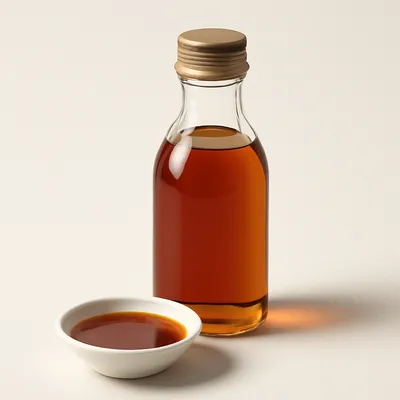
Wash and dry the chives well, then chop finely. Toss the chopped chives with sesame oil (or cooled cooked oil) to coat and seal the cut surfaces so they don't weep.
Watch outToss the chopped chives in oil to seal the cut edges — do this so they don't weep water and turn the filling soggy.
- 44 min
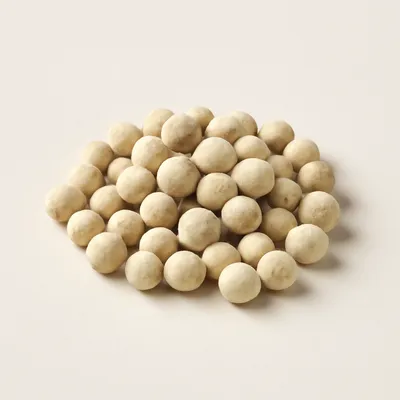
Just before filling, combine the chives, cooled egg, glass noodles, and dried shrimp; season with salt, soy sauce, white pepper, and a little ginger, and mix quickly.
- 55 min
Divide the rested dough into equal pieces and roll each into a thin oval or round.
- 66 min
Heap filling on one half of each round, fold over into a half-moon, press out the air, and seal the curved edge firmly, crimping it into a rope or pressing with a fork.
- 74 min
Heat a flat pan over moderate heat with a thin film of oil (or dry for 干烙); lay in the pockets and cook until the underside is spotted golden.
- 85 min
Flip, cover briefly to steam the filling through, then uncover and finish until both faces are blistered golden-brown and the skin has puffed; serve hot, cut into wedges.
Watch outCover briefly after flipping to steam the filling through, then finish uncovered until both faces are blistered golden.


