Buta no shogayaki is a Japanese home and set-meal main of thin slices of pork loin sauteed in a sauce of grated ginger, soy sauce, mirin, and sake, often with grated onion. The pork is cooked quickly in a hot pan and the sauce reduced over it to a glossy, savory-sweet glaze sharp with ginger. It is served with a tall heap of finely shredded raw cabbage and rice, and is a fixture of teishoku set meals and lunch counters; alongside tonkatsu, it is one of the most-cooked Japanese pork dishes. The name means simply 'ginger grill.'




Shogayaki belongs to the everyday cooking that took shape as pork became common in the Japanese diet in the twentieth century; ginger was a natural partner, used to temper pork's odor. A ginger-fried pork recipe appears as early as 1913 in 'Tanaka-shiki Butaniku Chori Nihyaku-shu' (Tanaka's Two Hundred Methods of Pork Cooking), compiled by Tokyo University professor Tanaka Hiroshi, under the name 'shoga-iri' (ginger stir-fry), showing the idea predates the modern dish. Its popularization as a restaurant staple is commonly credited to the Ginza izakaya Zenigata in Tokyo, which served it in the early postwar Showa 20s (roughly 1945-1954) as a fast, filling meal; the recorded sauce there combined ginger, soy sauce, mirin, and sake with onion. From there it spread into home kitchens and teishoku menus nationwide.
The pork is tender and just cooked, slicked in a glossy brown sauce that is savory, lightly sweet, and bright with the heat and fragrance of fresh ginger; a hit of garlic or onion sweetness often rounds it out. The shredded raw cabbage beneath soaks up the sauce and adds a cool, crisp, watery freshness that cuts the richness, and rice carries the whole. Good shogayaki keeps the meat juicy with a faint sear; a poor one is tough and dry from overcooking the thin slices, or flat and oversalted if the sauce was reduced too far or unbalanced. Ginger should be assertive but not raw and harsh.
Two techniques carry the dish. First, the ginger: fresh ginger contains the enzyme zingibain and the pungent compounds gingerol and shogaol, which both tenderize and mask the smell of pork, and many cooks marinate the slices briefly in the sauce to let it penetrate. Second, the cooking is fast and hot so the thin pork browns by the Maillard reaction without toughening — overcooked lean pork seizes and dries. The sauce balances soy (salt and umami), mirin and sake (sweetness, alcohol that carries aroma and burns off), and ginger; reducing it in the pan concentrates these and, as the sugars and proteins caramelize, gives the glossy glaze that clings to the meat. Grated onion adds sweetness and enzymes that further soften the pork.
Variations
The main split is whether the pork is marinated in the ginger sauce before cooking or simply sauteed and finished with the sauce in the pan; both are standard. Cuts vary from thin loin to fattier shoulder or pork belly, and some cooks dust the slices in flour so the sauce clings more thickly. Grated onion or apple is a common addition for sweetness and tenderizing, and garlic sometimes joins the ginger. The same ginger-soy treatment is applied to other proteins, and shogayaki is a defining item of the teishoku set meal, served like tonkatsu and saba shioyaki with cabbage, rice, miso soup, and pickles.
On the Palate
Where Shogayaki sits in the Japanese flavor cloud
Ingredients
Serves 2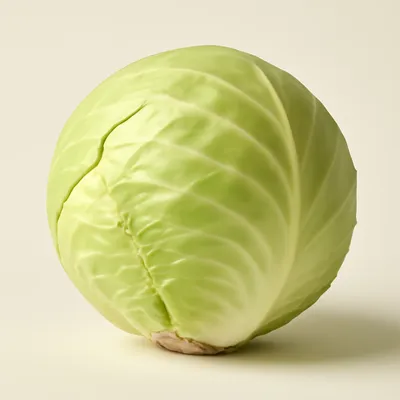

How it's made
8 steps · 15 min active + 10 min waiting
- 14 min
Grate the ginger (and onion, if using) and combine with soy sauce, mirin, and sake to make the sauce.
- 210 min
Lay out the thin pork slices, snipping any connective edges so they do not curl; optionally marinate them in part of the sauce for about 10 minutes.
- 34 min
Finely shred the cabbage and pile it on the serving plates; have rice ready.
- 42 min
Heat a little oil in a pan over fairly high heat until hot.
- 55 min
Lay the pork in a single layer and sear, turning once, until just browned and nearly cooked through; do not crowd the pan.
Watch outSear the thin pork fast over high heat, turning once — quick browning keeps it tender; linger and the lean slices seize up and dry out.
- 63 min
Pour in the sauce and let it bubble and reduce, turning the pork to coat it in the glossy glaze.
Watch outReduce the sauce in the pan until it coats the pork in a glossy glaze — the sugars thicken it to a sheen; pull the meat the instant it's glazed so it doesn't toughen.
- 71 min
Lift the pork out as soon as it is glazed and cooked so it does not toughen, spooning the pan sauce over.
- 81 min
Serve at once over or beside the shredded cabbage, with rice and miso soup.
Archive tool suggestions — not reviewed
These legacy suggestions have not been evidence-reviewed and are not presented as required tools.