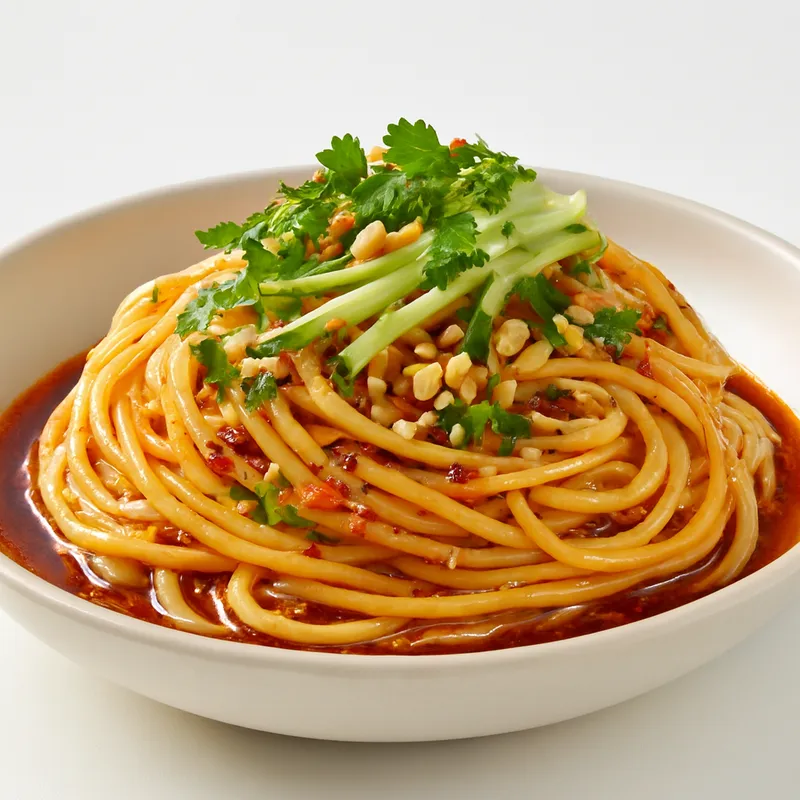
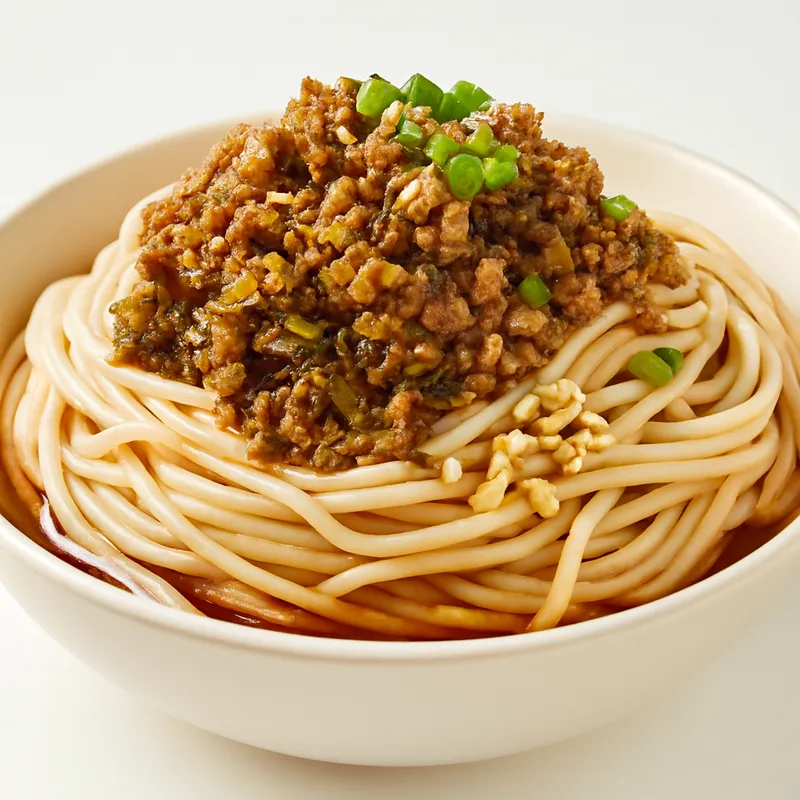
Wuhan Hot-Dry Noodles are a spicy, nutty affair with wheat noodles drenched in sesame sauce and chili oil.


Originated in Wuhan in the early 1930s; credited variously to noodle vendor Li Bao and to Cai Mingwei, a noodle-stall vendor near Hankou's Changdi Street. Li accidentally left a batch of cooked noodles uncovered overnight; the next morning he tossed them with sesame oil to keep them from sticking and found the texture had set perfectly for fast reheating. The pre-oiling step (掸面) became the technique that defines the dish.
Invented 1929 by Li Bao, a noodle vendor on Hankou's Changdi Street, after he accidentally left a batch uncovered overnight and oiled them next morning. The pre-cook-and-oil step (掸面) is non-negotiable — sets the starch so the second cook only rehydrates. Eight seconds in boiling water, then the toss.
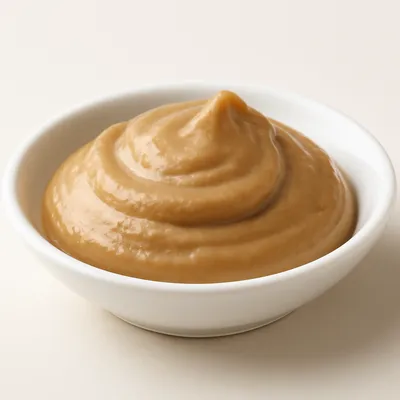
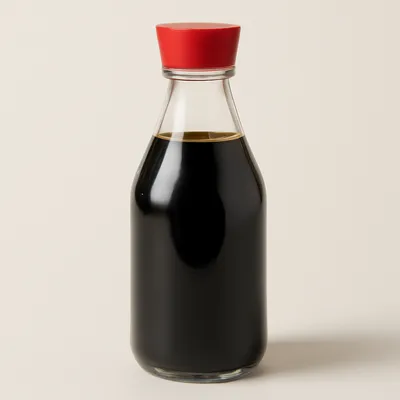
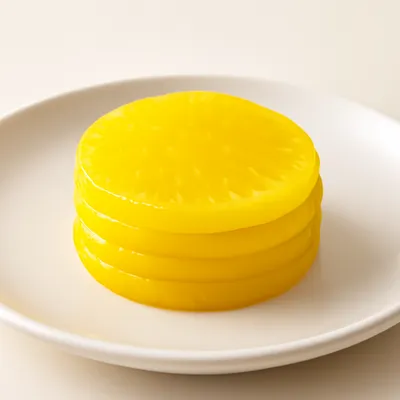
Re gan mian (热干面): alkaline wheat noodles, par-cooked the night before and oiled, then plunged into boiling water for 8 seconds at the stall and tossed in sesame paste, dark soy, pickled radish, chopped scallion, and chili oil. No broth — it's a dry breakfast eaten standing, finished in two minutes before the paste tightens. If the sesame paste sticks in clumps, it wasn't loosened with sesame oil first.
The pre-cook-and-oil (掸面) step is non-negotiable: it sets the starch in a way fresh noodles can't replicate — the second cook only has to rehydrate, not gelatinize. This is why Wuhan stalls open at 5am and serve from prepped batches; truly fresh-cooked noodles in the same sauce taste pasty and the paste won't grip evenly.
Variations
Cai Lin Ji (Wuhan's most-cited stall) serves it driest and sharpest; Tianyou stalls add fermented rice wine and run sweeter; Wuhan University-area shops thin the paste with extra sesame oil for student tastes; Jingzhou/Shashi versions skip the alkaline noodle and cut the sesame paste with sweet bean and pea paste for a heavier, sweeter taste; Henan's Xinyang version stays close to Wuhan's but often adds tofu skin, bean sprouts and cilantro.
On the Palate
Where Wuhan Hot-Dry Noodles sits in the Chinese flavor cloud
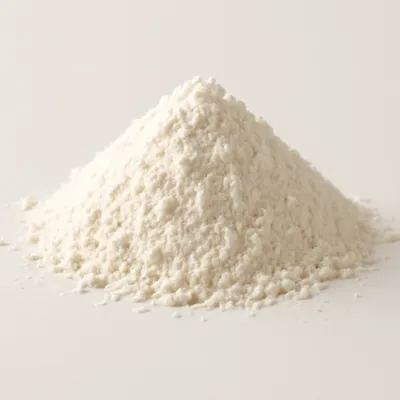
Get the sesame paste to a pourable, glossy state before it hits the noodles — a stiff scoop of raw paste seizes into dry clumps that never coat, and no amount of tossing saves it.
Ingredients

How it's made
5 steps · 20 min
- 115 min
Cook wheat noodles until just tender, then drain and rinse with cold water.
Watch outPull the noodles when just tender with a firm center; drain hard and rinse cold so they stay springy, not mushy.
- 25 min
Toss noodles with sesame sauce, soy sauce, and vinegar.
Watch outThe paste-and-soy mix should coat every strand in a glossy film; if it's clumping, it wasn't thinned enough — add a splash of warm water.
- 35 min
Top with pickled mustard greens, chopped scallions, and peanuts.
- 42 min
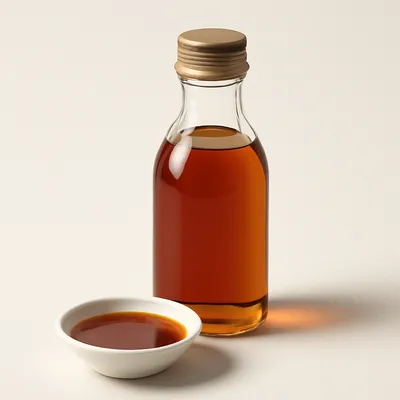
Drizzle with chili oil for heat.
- 52 min
Serve immediately.