
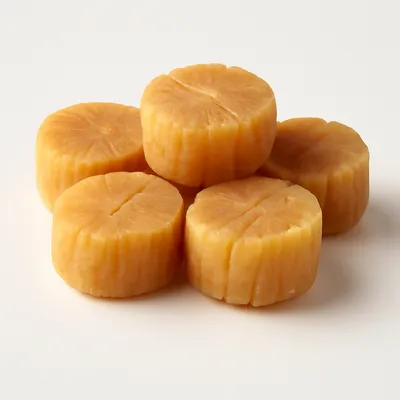
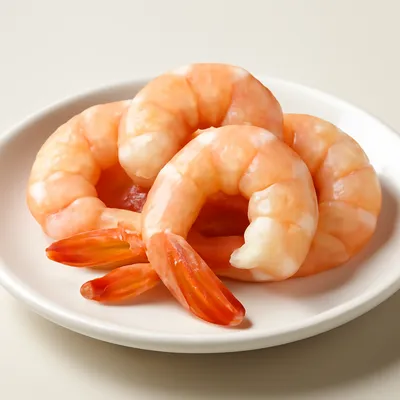
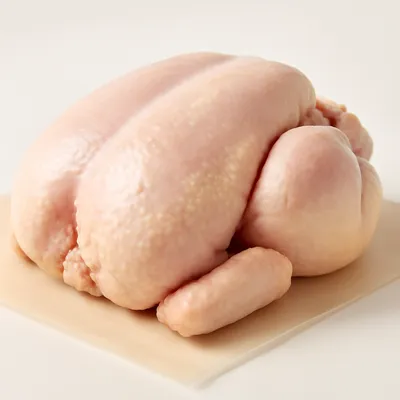
A banquet centerpiece of Cantonese summer tables: a whole young winter melon is hollowed into a tureen, its rind carved with auspicious patterns, then filled with stock and a medley of diced premium ingredients — dried scallop, shrimp, crab meat, chicken, Jinhua ham, lotus seed, Job's tears, shiitake — and gently steamed for hours until done. The soup is served inside the melon, and as you eat you scrape the cooked flesh off the inner wall into the broth, so the vessel becomes the last ingredient. This is not winter melon soup ladled into a bowl: it belongs to the higher 'stewed-soup' (dun tang) end of Cantonese soup culture, where the broth is steamed rather than boiled to keep it crystal-clear. Prized as a cooling dish for the heat, it is the kind of soup a household once made only for honored guests.



Winter melon has long been a summer vegetable of the Lingnan south, valued in folk and traditional-medicine terms as a cooling food: it is about 96 percent water, very low in calories (roughly 10–11 kcal per 100 g), high in potassium and low in sodium, and the 'Compendium of Materia Medica' records it as sweet-bland and slightly cold, clearing heat and promoting urination. By tradition the banquet form traces back to a Qing imperial dish, the 'watermelon tureen' (xi gua zhong), in which palace cooks hollowed a watermelon and steamed it full of diced chicken, dried scallop, ham and mushroom; carried out of the capital by officials and reaching melon-rich Guangdong, it was remade with winter melon and became the dong gua zhong. It appears at late-Qing Cantonese banquets, and in the 1920s–30s entered the menus of Guangzhou's celebrated garden restaurants; the Eight-Treasure Winter Melon Pot remains a signature of Panxi Restaurant. (The imperial-watermelon lineage is recorded as tradition rather than firm documentation.)
A tall green melon arrives whole at the table, its rind carved in relief, the cut rim notched like a crown; lift the lid and steam carries up a clear, faintly sweet broth. Inside float diced scallop, ham, shrimp, crab and chicken with lotus seed and Job's tears, all in a stock so light it is almost colorless — no soy, often not even added salt, because the ham and dried scallop salt it from within. The flesh of the inner wall has gone translucent and soft; you scrape it down with the spoon and it dissolves into the soup, lightly sweet from the melon's own water. It eats clean and unctuous at once, the kind of soup that revives an appetite flattened by summer heat.
Everything rests on keeping the melon intact while the broth clears, which is why the dish is steamed (dun), not boiled. Direct boil would batter the walls and cloud the soup; gentle water-bath steam at a bare simmer cooks it through for hours yet leaves the vessel standing. Do not scrape the inner wall too thin — the layer just under the skin holds the structure, and a wall left too thin will soften and burst under its own weight of soup; the same risk makes carvers keep the relief shallow on a thin rind. The melon is a sponge as much as a pot: it drinks in the stock and lends back its faintly sweet water, so the broth must be built to depth first. Dried scallop is soaked overnight to rehydrate and is torn into threads; the meats are blanched (fei shui) to throw off blood and scum so the finished soup stays clear; ham and scallop carry enough salt that the pot needs none. Long, low steam is what melts the wall to translucency and marries eight separate ingredients into one clean broth.
Variations
The Eight-Treasure (ba bao) version is the canonical banquet form, filled with the classic eight — roast-duck shreds, shrimp, chicken, dried scallop, shiitake, goose kidney, crab meat and braised duck. The lotus-leaf winter melon pot (he ye dong gua zhong) seats the melon on or wraps it in fresh lotus leaf so the steam carries the leaf's green fragrance into the soup. A summer Cantonese touch is night-blooming jasmine (ye xiang hua), thrown in only in the last five to ten minutes — earlier and it yellows and loses its scent. Restaurants make single-serving 'mini' melon pots, and humbler home versions skip the carving and use pork in place of the costly seafood.
On the Palate
Where Winter Melon Pot sits in the Chinese flavor cloud
Ingredients
Serves 8


How it's made
8 steps · 1 hour 10 min
- 110 min
Soak the dried scallops in cold water overnight to rehydrate; soak the shiitake, lotus seed and Job's tears until soft. Tear the rehydrated scallops into threads.
- 215 min
Choose a short, plump young winter melon that stands upright. Slice off the top quarter as a lid, then scoop out the seeds and spongy core to hollow it into a tureen, leaving the wall about two centimeters thick.
Watch outLeave the wall a good two centimeters thick when you scoop — the layer just under the skin holds the tureen up, and a wall scraped too thin will soften and burst under the weight of the hot soup.
- 312 min
Notch the cut rim into a saw-tooth crown and, if the rind is thick enough, carve a shallow relief pattern on the outer wall; blanch the whole melon briefly to set its color.
- 48 min
Blanch the diced chicken, shrimp, crab and any duck in boiling water to throw off blood and scum, then lift out and drain.
- 510 min
Dice the Jinhua ham, shiitake and scallop. Sit the melon in a deep heatproof bowl, layer in all the ingredients, and pour in hot stock to nearly fill the cavity. Add no salt — the ham and scallop salt it from within.
- 6150 min
Set the filled melon over a bare simmer and steam over a water bath for about two to two and a half hours, until the wall turns translucent and the soup is clear and fragrant.
Watch outKeep it to a bare water-bath simmer for the full two-plus hours — you're done when the wall goes translucent and the soup stays clear; a real boil batters the walls and clouds it.
- 78 min
In the last five to ten minutes, scatter in night-blooming jasmine (or fresh lotus leaf for the lotus-leaf version) for aroma.
- 85 min
Lift the whole melon to the table on its dish. To serve, ladle out the soup and ingredients, then scrape the softened flesh off the inner wall into each bowl.
Archive tool suggestions — not reviewed
These legacy suggestions have not been evidence-reviewed and are not presented as required tools.


