Hakka cuisine's living substitute for the dumpling. When migrants settling in Hezhou found no wheat for wrappers, they hollowed out bitter gourd, green chili, and purple eggplant and packed them with a seasoned pork filling instead. Each piece is seared until golden, then braised until the vegetables yield and the sauce thickens. Bitter, pungent, and silky — three textures in one dish.


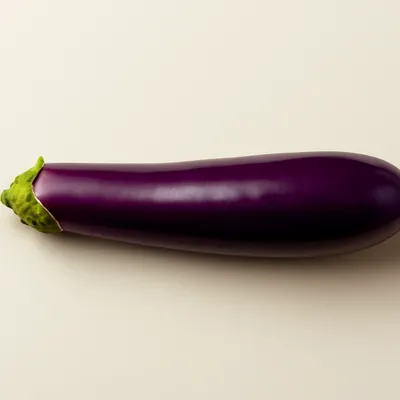


Hakka ancestors began migrating from the Central Plains to the Hezhou highlands from the Western Jin period onward. Finding the subtropical climate unsuitable for wheat, they could no longer make the dumplings (jiaozi) central to their northern identity. The niang technique — hollowing out a vegetable and packing it with meat filling — emerged as a direct culinary surrogate, the vegetable wall replacing the wheat wrapper. Through generations of Hakka settlement, Hezhou developed over 108 variants of stuffed vegetables, earning the local maxim 'everything can be stuffed.' The three-treasure combination of bitter gourd, chili, and eggplant was listed among Guangxi's Ten Classic Dishes in 2018 and again in the 2024 Guangxi (Gui) Cuisine Top Ten selection. It holds intangible cultural heritage status at the Hezhou municipal level.
Bitter gourd delivers a clean, receding bitterness that fades into savoury pork; the green chili is mild and juicy; the eggplant is silky and deeply sauce-soaked. All three share the same caramelised crust from the pan — a unifying thread across contrasting textures.
Rubbing the hollowed bitter gourd with salt and resting it for 10 minutes draws out cell fluids carrying soluble momordicin glycosides, substantially reducing harshness. Pan-frying the stuffed pieces filling-side down at medium-high heat triggers Maillard browning on the exposed pork within two minutes, building a flavour crust that also mechanically seals the filling inside. The subsequent braise dissolves this fond into the cooking liquid, which is then concentrated by reduction and coats the vegetable exterior. Eggplant's air-filled spongy parenchyma collapses during braising as cell walls soften, producing a silky, sauce-absorbing texture that contrasts with the still-firm bitter gourd.
Variations
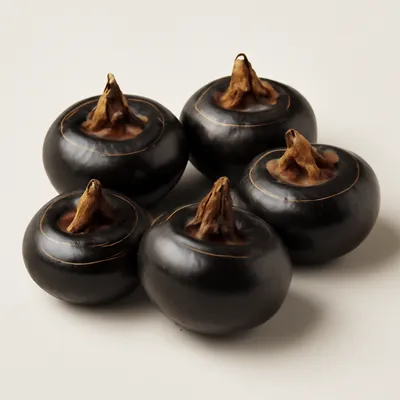
Hezhou kitchens also stuff lotus root sections, firm tofu, and winter melon with the same filling. A fish-paste variant replaces pork for a lighter, bouncier filling common near the river towns. A steamed version (清蒸酿三宝) skips the pan-fry for a gentler result. Cantonese-influenced cooks add minced water chestnut to the filling for a crunch element.
On the Palate
Where Hezhou Three-Treasure Stuffed Vegetables sits in the Chinese flavor cloud
Ingredients
Serves 4



How it's made
7 steps · 45 min active + 10 min waiting
- 115 min
Halve bitter gourd into 4 cm cylinders and scoop out seeds and pith with a spoon; slit each green chili lengthwise on one side and remove seeds; cut eggplant at an angle into thick 'pocket' shapes, leaving the base intact.
- 210 min
Rub the inside of each bitter gourd cylinder with a pinch of salt; rest 10 minutes; rinse under cold water and pat dry to remove the drawn-out bitter liquid.
Watch outSalt the hollowed bitter gourd and rest 10 minutes, then rinse — this draws out the bitter cell fluid so the finished piece isn't harsh.
- 310 min
Combine ground pork with finely minced soaked shiitake, water chestnut, ginger, and scallion; add soy sauce and oyster sauce; stir vigorously in one direction for 2 minutes until the mixture becomes tacky and holds together.
Watch outStir the pork one direction until it's tacky and holds together — a loose filling shrinks and falls out of the vegetable while cooking.
- 45 min
Stuff each vegetable firmly with filling, pressing it in so no air pockets remain; smooth the surface; rub a thin layer of filling over the open face of each piece to seal.
- 55 min
Add oil to a wide pan over medium-high heat; arrange stuffed vegetables filling-side down in a single layer; pan-fry without moving for 4–5 minutes until the pork surface is deep golden.
Watch outPan-fry filling-side down without moving until the pork face is deep golden — that crust seals the meat in and builds the flavor fond.
- 67 min
Flip each piece gently; add 50 ml water; cover and braise over medium heat for 6–7 minutes until the vegetables are fully cooked through.
- 73 min
Remove lid; raise to high heat; reduce the pan sauce until thick and glossy, about 2 minutes; spoon sauce over the three treasures and garnish with sliced scallion.


