A near-vanished Shanghai classic from Old Zheng Xing restaurant, where 'lung' (秃肺 in Shanghai dialect) is in fact the prized liver of wild black carp—yielding, glistening, braised in Shaoxing wine and soy with winter bamboo shoots. Each dish requires the livers of fifteen to twenty fish, live-extracted that same morning. By the 1930s the restaurant's most celebrated cold-weather dish; today almost extinct.

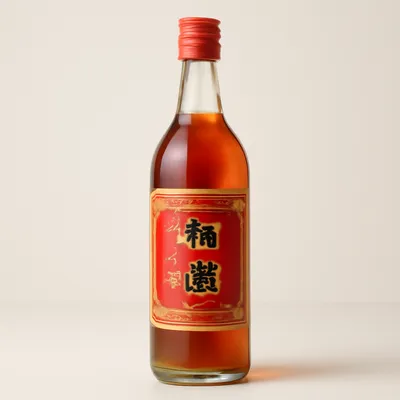


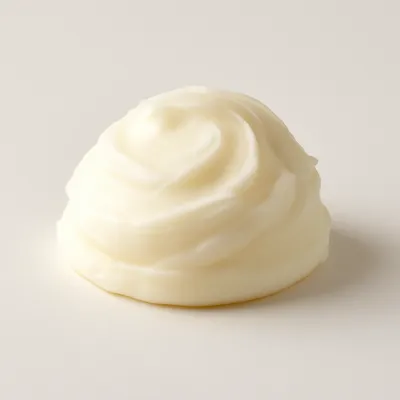

Green Carp Fatted Liver was created at Old Zheng Xing, which was founded in 1862 by Zhu Zhengben and Cai Renxing—whose given names supplied the characters zheng and xing for the original 'Zhengxing Guan.' The 'old' prefix was added later to distinguish the founding restaurant from the many imitators that appeared once the place became famous, making it the acknowledged ancestral house of Shanghai benbang cuisine. According to restaurant tradition, the dish was proposed in the early Republican era by Yang Baobao, son of the owner of Shanghai's Yangqinghe silver-jewelry shop and a habitual customer, who suggested to the kitchen that the livers of black carp—then discarded—might be transformed into a dish. The chefs took livers from wild black carp weighing over five jin, washed them repeatedly, and braised them with bamboo shoots, scallion, ginger, Shaoxing wine, soy sauce, and sugar. By the 1930s the preparation had become Old Zheng Xing's most celebrated cold-weather specialty. 'Sulu' (秃肺) is Shanghai dialect for liver; the name is said to derive from the liver's superficial resemblance to a lobe of lung. Peak season runs from Qingming in early April through the first osmanthus bloom in mid-autumn, when wild black carp are at their fattest. The dish nearly disappeared in the late twentieth century as live-sourcing became logistically difficult; very few Shanghai restaurants now attempt it.
Press gently with the tongue: the liver yields like warm butter—no resistance, only spreading richness—then a deep tide of fish oil and seasoned soy wells up, clean and round, without a trace of fishiness; the bamboo shoot provides a cool, crisp counterpoint that rescues the dish from pure indulgence.
Black carp liver is exceptionally high in fish liver oil—dominated by long-chain polyunsaturated fatty acids including eicosapentaenoic acid and docosahexaenoic acid—which constitutes a large proportion of its mass and accounts for the extraordinary richness. The liver's connective tissue fibres are short and fine; cooking to approximately 65°C denatures surface proteins while the interior remains semi-fluid, analogous to searing foie gras. Any temperature overshoot ruptures fat cells, releases bile compounds—bilirubin and biliverdin—and turns the liver bitter and dry. Removing the dark lateral veins (where bile precursors concentrate) and keeping the gallbladder intact during extraction are therefore critical. The cornstarch slurry finish forms a glossy gel coat that traps surface moisture and moderates further heat transfer into the liver, extending the window of correct doneness.
Variations
A rare winter luxury version substitutes black carp milt (fish sperm sac, also called 鱼白) for a similarly creamy, yielding texture. Some cooks adapt the technique to chicken liver with a faster, hotter sear. A Ningbo coastal variant uses yellow croaker liver, smaller in size and milder in flavour. Traditional kitchens observe the Qingming-to-osmanthus seasonal constraint strictly.
On the Palate
Where Green Carp Fatted Liver sits in the Chinese flavor cloud
Ingredients
Serves 2
How it's made
8 steps · 40 min
- 15 min
Source livers from 15–20 live black carp each over 2.5 kg; extract immediately upon slaughter, handling gently to keep the gallbladder intact throughout.
- 220 min
Soak livers in several changes of cold water for 20 minutes; carefully remove the dark lateral veins with scissors or tweezers; rinse until the water runs completely clear.
Watch outHandle the livers gently and snip out the dark lateral veins, rinsing until the water runs clear — nick the gallbladder or leave the veins and the bile turns the whole thing bitter.
- 35 min
Pat dry with paper towels; dust the surface very lightly with a thin layer of cornstarch to stabilise the skin and help the sauce adhere later.
- 44 min
Heat 2 tbsp lard or chicken fat in a wok over high heat until shimmering; gently lower livers in and sear about 30 seconds per side until the exterior just turns opaque—work in batches to avoid crowding.
Watch outSear only about thirty seconds a side, just until the outside turns opaque while the middle stays soft like seared foie gras — push the heat past that and the fat cells burst and it goes bitter and dry.
- 52 min
Remove livers and set aside; reduce to medium heat; stir-fry sliced winter bamboo shoots, ginger, and scallion for 1 minute until fragrant.
- 63 min
Return livers to the wok; add 3 tbsp Shaoxing wine, 2 tbsp soy sauce, 1 tbsp sugar, and 80ml water; cover and braise over medium-low heat for 2 minutes.
- 72 min
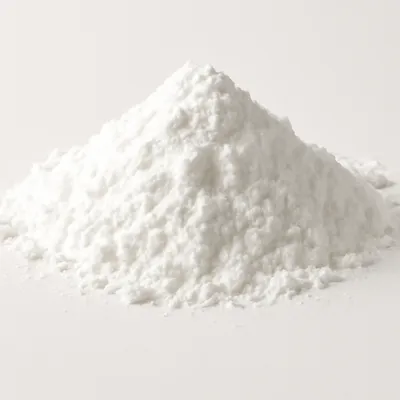
Uncover; stir in a cornstarch slurry (1 tsp cornstarch dissolved in 1 tbsp water) and gently turn the livers to coat each piece in a glossy, clinging sauce.
- 81 min
Drizzle a few drops of chicken fat over the top, slide onto a warmed plate, and serve at once.
