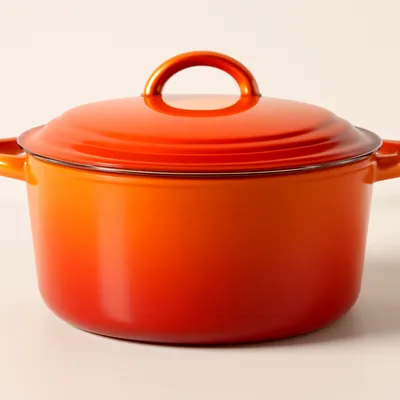
The Jiangxi original of three-cup chicken, from the town of Ningdu in the province's south, and the dish most often named first among the ten great Gan classics. Chicken is cut up and braised in a clay pot with three measures and no water at all — a cup of rice wine, a cup of oil (tea-seed oil or lard in the old Ningdu manner), and a cup of soy sauce — plus ginger and scallion. As the lid stays on and the liquids cook down, the chicken drinks up the wine and soy and finishes in a glossy, almost dry, dark sauce, deeply savory and faintly sweet from the wine. The familiar Taiwanese version, with sesame oil and Thai basil, is the later export.
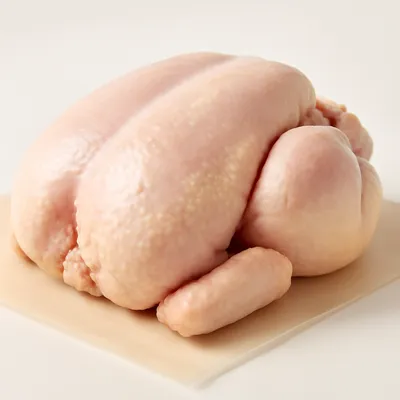
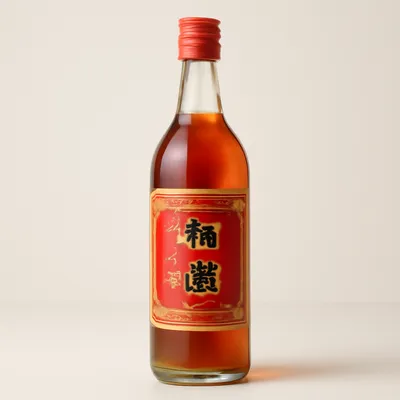



Three-cup chicken comes from Ningdu, in Ganzhou prefecture, and is rooted in the Hakka kitchen of southern Jiangxi; local accounts place its beginnings in the early Qing. A cherished legend ties it to the Southern Song patriot Wen Tianxiang, a Jiangxi man: as he awaited execution in the capital, an old woman is said to have brought a chicken and a pot of wine to his cell, and a jailer stewed the bird in three cups of rice wine over a low flame; the jailer and a companion named Xie Yuanlong are said to have cooked it the same way each year afterward to honor him — a tale told to explain the name, not documented history. The dish later traveled to Taiwan, where cooks swapped the oil for black sesame oil and added Thai basil, creating the version best known abroad.
The chicken comes out coated in a dark, lacquer-bright sauce that has cooked almost to a glaze and clings to every piece. The meat is tender and saturated through with rice wine and soy — savory first, with a warm sweetness from the wine trailing behind and the fragrance of browned ginger and scallion all through it. There is no broth to speak of; you eat it nearly dry, the sauce concentrated onto the skin. Rich and aromatic, it is a dish made to be eaten over rice, which soaks up what little sauce escapes.
The whole method is the three cups and the closed pot, no water. With equal parts wine, oil and soy and nothing to dilute them, the chicken braises in its own concentrated liquids, so flavor drives inward rather than leaching out into a broth. Rice wine both tenderizes and lends the finishing sweetness; soy brings salt, color, and savor; the oil carries heat and aroma and keeps the meat from sticking as the sauce thickens. Cooked covered over a gentle flame, the liquid slowly reduces to a clinging glaze — the timing is everything, pulled at the point the sauce coats but before it scorches dry. A clay pot's slow, even heat suits the long reduction; the chicken is browned in ginger and scallion at the start to build the base aroma.
Variations
Within Jiangxi the oil varies — Ningdu favors tea-seed oil or lard, while Nanchang and Wanzai versions more often use lard, and some places use sesame oil. The Taiwanese branch is the most divergent: black sesame oil replaces the lard and a big handful of Thai basil goes in at the end, giving a glossier, herb-scented dish. The constants are the three equal cups, the absence of water, and the reduction to a clinging sauce.
On the Palate
Where Ningdu Three-Cup Chicken sits in the Chinese flavor cloud
Ingredients
Serves 3How it's made
8 steps · 40 min active + 10 min waiting
- 110 min
Cut the chicken into bite-size pieces on the bone; slice ginger and cut scallion into lengths.
- 23 min
Heat the oil in a clay pot and fry the ginger until fragrant.
- 35 min
Add the chicken and stir-fry until the pieces are colored on all sides.
Watch outFry the chicken until it's colored on every side before the liquids go in — with no water in this dish, that surface color is where the flavor starts.
- 42 min
Pour in the cup of soy sauce and toss to coat.
- 52 min
Add the cup of rice wine and the scallion; do not add any water.
Watch outAdd the wine and soy but not a drop of water — the chicken has to braise in its own concentrated liquids, or the sauce never gets that glaze.
- 615 min
Cover and braise over a gentle flame, turning now and then, so the chicken cooks in the liquids.
- 78 min
Continue until the sauce reduces to a glossy glaze that clings to the chicken.
Watch outPull it the moment the sauce reduces to a glossy glaze that clings — a beat too long in the covered pot and it scorches dry.
- 81 min
Toss through the last of the scallion (or basil, in the Taiwan style) off the heat and serve hot over rice.
Archive tool suggestions — not reviewed
These legacy suggestions have not been evidence-reviewed and are not presented as required tools.