Glutinous rice dumplings wrapped in bamboo leaves, stuffed with pork, salted egg yolk, and chestnuts for the Dragon Boat Festival.




Zongzi predates the Qu Yuan legend — in its earliest form, called jiaoshu, it was a summer-solstice offering. The first clear written record is in Zhou Chu's Fengtu Ji (Western Jin, c. 3rd century CE), which describes wrapping millet in wild-rice leaves and boiling it in lye into a horn shape. The Dragon Boat Festival association first appears in Wu Jun's 6th-century anomaly tale Xu Qi Xie Ji, roughly 300 years after Qu Yuan drowned himself in the Miluo River (278 BCE); the rice was wrapped in chinaberry leaves and tied with five-colored thread to keep river dragons from eating it. By the Tang dynasty (7th century) zongzi was already a fifth-month-fifth-day ritual food.
Glutinous rice wrapped in bamboo or reed leaves, tied with cotton string, and boiled for hours. The Qu Yuan/Duanwu origin is a Han-dynasty graft onto an older summer rice-package custom; the leaf is half the flavor.
A four-cornered pyramid of glutinous rice steamed inside two folded bamboo leaves, tied with kitchen twine. Untie, peel back the leaves — the rice has gone jade-green and smells of bamboo. Inside: a hunk of fatty pork belly, salted egg yolk crumbling orange, sometimes a chestnut. The rice is sticky, savory, lightly oily; the leaf perfume is the whole point.
Bamboo leaf is non-negotiable — the chlorophyll and grassy aromatics infuse the rice during the 2-3 hour steam, and no foil or paper substitute reproduces it. The southern (Cantonese, Jiangnan) style uses savory pork-and-yolk fillings; the northern style is sweet, often plain or with red bean and dipped in sugar. The fold matters: a leaky tie loses water, the rice goes mushy on one side and dry on the other.
Variations
Jiaxing salt-pork zongzi (the canonical savory); Cantonese ham-yolk-mung-bean zongzi (largest, richest); Beijing red-bean-and-jujube sweet zongzi (eaten with sugar); alkaline (jian shui) zongzi dipped in sugar or honey, popular in Guangxi.
On the Palate
Where Zongzi sits in the Chinese flavor cloud
Fold and tie each parcel tight with no gaps so it never takes on water during the 2–3 hour boil — a leaky wrap turns the rice mushy on one side and dry on the other.
Ingredients
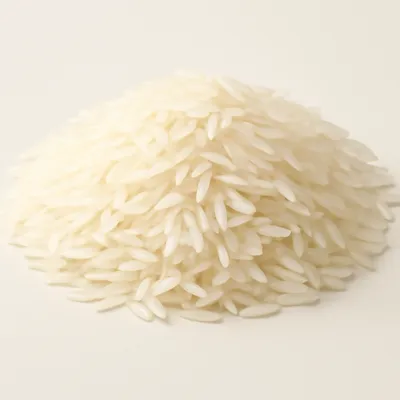

How it's made
4 steps · 40 min active + 3 hours waiting
- 15 min
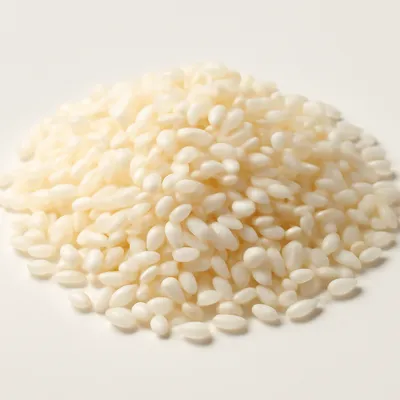
Rinse the glutinous rice under cold water until the water runs clear to remove excess starch, then soak it in water for at least 4 hours or overnight to ensure even cooking.
Watch outRinse until the rinse water turns clear, then feel the soaked grains — they should crush easily between two fingers before you wrap.
- 210 min
If using chestnuts, peel and pre-cook them until tender. Mix the chestnuts with soy sauce and any additional desired fillings to infuse flavors.
Watch outEnsure chestnuts are fully tender before mixing to avoid a gritty texture.
- 315 min
Take a large bamboo leaf and fold it into a cone shape, ensuring there are no gaps. Fill the cone halfway with soaked rice, add a layer of chestnut mixture, and top with more rice. Fold the leaf over to seal, creating a tight, triangular package.
Watch outSeal the cone point with no gap and pack the rice firm — loose gaps are where water gets in and grains leak out.
- 410 min
Place the wrapped zongzi into a large pot, cover with water, and weigh down with a plate to keep submerged. Boil gently for 2-3 hours, adding water as necessary to keep the zongzi submerged.
Watch outKeep the water at a gentle roll, not a violent boil, and always covering the parcels — top up with hot water as it drops.