
A Jiangxi everyday stir-fry where the chili, not the pork, is the star. Thin-skinned Yugan chilies — a geographically protected variety from Shangrao — go into the wok at roughly twice the weight of the skin-on pork belly, fried hard over a fierce flame with douchi and garlic. There is no starch and no sauce: just the rendered pork fat, fresh-savory chili, and a clean splash of soy. Jiangxi regards 辣椒炒肉 as one of its own banner dishes, and the Yugan chili is what makes its case.





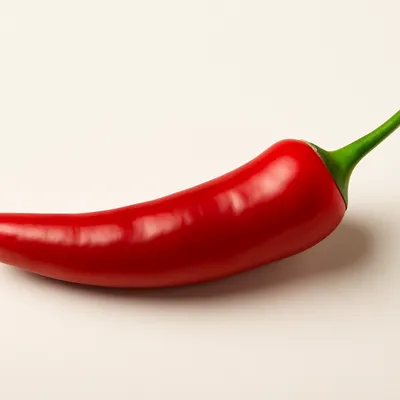
From Yugan county in Shangrao, eastern Jiangxi, where the local thin-skinned chili has been grown for centuries — recorded as a tribute pepper in Ming and Qing times. The Yugan chili (枫树辣) earned national agricultural-product geographical-indication protection in 2011; its prized strain traces to Fengshu village by Fengshu Lake, where roughly seventy-percent-sand soil yields a pepper thin of skin, tender of flesh, fragrant and only mildly hot with a sweet finish. Jiangxi names 余干辣椒炒肉 among its ten signature Gan dishes (2021). Whether Jiangxi or Hunan owns 辣椒炒肉 is an affectionate rivalry; here the argument rests on the pepper itself.
Skin-on pork belly sliced thin, rendered first until the fat turns clear and the edges curl and brown. Then a great heap of Yugan chili goes in — more chili than meat — tumbled hard against the hot wok until the thin skins blister and slump. Douchi and garlic land late. The pork carries a roasted, fat-rich savor; the chili stays fresh and bright, hot but never harsh, with that telltale sweet aftertaste. No gravy clings — the rendered pork oil, soaked into the peppers, is the whole sauce, and it begs for rice.
The technique is a dry-render and a hot, fast toss. The belly goes in with no added oil; its own fat lubricates the wok and the Maillard browning happens on bare metal rather than in a pool, building a deeper savor than oil-frying would. The chili goes in second and in quantity, so it sears against the rendered fat and soaks it up instead of stewing. Everything stays over a fierce flame to chase wok hei; douchi and garlic go in at the very end so they perfume rather than scorch. No starch, no liquid — a splash of water at the finish lifts the aroma without making a sauce.
Variations
Some cooks toss the pork and chili together raw over high heat for a fresher bite; others fry the chili first to a blistered tiger-skin, then fold the pork back in — both are honestly done. A few use cured pork (腊肉) in place of fresh belly for a smokier, chewier plate. Across Jiangxi the heat is dialed with the chili choice and an added handful of garlic greens or millet chili; the constant is that the pepper outweighs the meat.
On the Palate
Where Yugan Chili Stir-Fried Pork sits in the Chinese flavor cloud
Ingredients
Serves 3How it's made
4 steps · 15 min
- 115 min
Slice skin-on pork belly thin. Halve the Yugan chilies on the diagonal, weighing out about twice the pork. Mince garlic; have douchi ready.
- 24 min
Heat a dry wok until smoking, add the belly with no oil, and render over high heat until the fat is clear and the edges curl and brown.
Watch outRender the belly dry in a smoking wok, no oil, until the fat runs clear and the edges curl and brown — that bare-metal browning builds the depth; add oil and you lose it.
- 33 min
Push the pork aside; add the chilies and toss hard against the hot wok until the skins blister and slump, soaking up the rendered fat.
Watch outSear the chilies hard against the hot wok until the skins blister and slump — they should soak up the rendered fat, not stew; a crowded cool pan steams them limp.
- 42 min
Add douchi and garlic, splash in light soy, and stir to combine; finish with a small splash of water to lift the aroma. Serve hot over rice.


