Shao rou zong is the savory meat zongzi of Minnan (southern Fujian), most famous in Quanzhou — a Dragon Boat Festival food that is also sold year-round as a street snack. Glutinous rice is first tossed in the pork-braising stock and shallot oil and fried until dry, loose, and seasoned, then wrapped around braised pork belly, shiitake, dried shrimp, chestnuts, lotus seeds, and diced taro; finer versions tuck in a salted-egg yolk with dried scallop and dried oyster. Bound in bamboo leaves into a four-cornered parcel, it is boiled long and slow until fully tender. The finished zongzi is glossy red-gold, every grain coated in braising fragrance, the fat melted but never cloying. 'Shao' means 'piping hot' in the Minnan tongue: a shao rou zong is meant to be eaten hot, dunked in satay (sha cha) sauce, mashed garlic, or sweet chili.


Zongzi, anciently called jiao shu ('horn millet'), already appeared in the Song dynasty as the mugwort-scented ai xiang zong made 'by steeping the rice in mugwort leaves and wrapping it,' alongside candied-fruit versions — Su Shi's line 'now and then a bayberry shows up in the zongzi' attests to how varied Song wrapping had become. Quanzhou, a bountiful port in southern Fujian, built on this old jiao shu method to develop a savory style centered on braised pork with layered fillings. Quanzhou's local-history records note that in the late Qing and Republican era the old-city shop known as 'Rou Zong Yin' was the most renowned, while the zongzi sold by the Guanyin Pavilion at Fuqiao on the city's southwest were equally famous — Quanzhou émigrés overseas were said to remember them fondly. Among today's old marques, Hou Apo opened beside the Bell Tower on East Street in 1978, filling its zongzi with braised egg, shiitake, shrimp, three-layer pork, lotus seeds, dried squid, and dried oyster, and was later named to the second roster of 'Quanzhou Time-Honored Brands.' From Quanzhou the shao rou zong spread across Minnan and, with emigrants, to Taiwan.
Cut the leaf away and a thread of pork-and-shallot steam lifts off it — that is the 'shao,' the heat the name promises. The rice is not a pale sticky mass but glossy red-amber, each grain loose and lacquered in braising stock; press it and it gives in a soft, slightly springy chew. Then the buried treasure: a slab of braised belly that has gone silky, the fat half-dissolved into the rice around it; a shiitake cap dense with savor; a chestnut and a knob of taro, both floury-sweet; a salted yolk crumbling salty-rich through it all. A swipe of satay sauce sharpens the whole thing. Eaten hot it is fragrant and unctuous; gone cold the fat firms and the magic dims.
Glutinous rice is almost pure amylopectin, the highly branched starch that traps water and gives that sticky, springy chew rather than the loose fall of ordinary rice. The decisive Quanzhou step is to fry the soaked rice in the pork-braising stock and shallot oil before wrapping: each grain is seasoned and sealed in fat and 'sugar-darkened' (糖乌) stock, so the cooked rice is glossy and flavored to the core, not bland under a wet filling. The long boil — often two to three hours — fully gelatinizes that amylopectin while rendering the belly fat, and the leaching umami does the real work: glutamate from the shiitake and dried scallop meets inosinate from the dried shrimp and pork in the classic synergy that multiplies savoriness, while the chestnut and taro starch thicken everything into one cohesive, oily-fragrant whole. 'Shao' (Minnan for 'hot') matters physically too — served piping hot the rendered fat and shallot oil stay liquid and aromatic; cold, they congeal and dull both texture and smell.
Variations
Sweet–savory split is regional: Quanzhou favors the rich braised-pork style, while elsewhere in Minnan and across the strait in Taiwan the rou zong shades drift. Fillings scale with the cook's hand — the plain version is pork, shiitake, dried shrimp, and chestnut; the lavish 'eight-treasure' style adds salted-egg yolk, dried scallop, dried oyster, lotus seeds, and taro. Dips vary by town and stall: satay (sha cha) sauce, mashed garlic, sweet chili, peanut sauce, even pickled-radish relish. Quanzhou itself fans the genre into red-bean, mung-bean, salted-belt-fish, abalone, dried-scallop, and chicken-or-duck zongzi, all wrapped the same four-cornered way.
On the Palate
Where Quanzhou Braised Meat Zongzi sits in the Chinese flavor cloud
Ingredients
Serves 6


How it's made
9 steps · 12 hours
- 1240 min
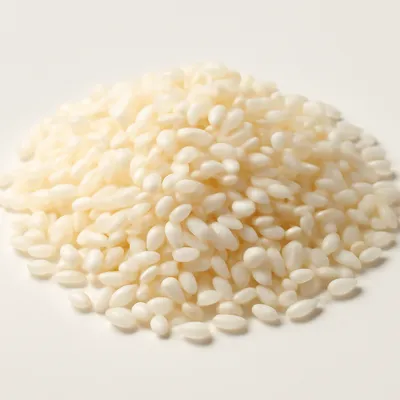
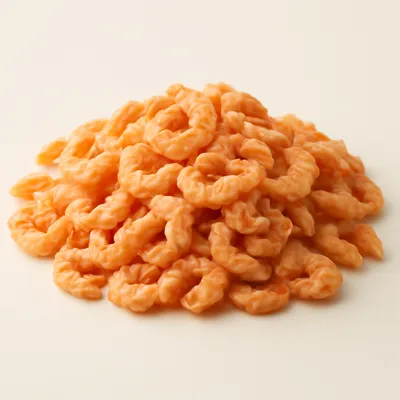
Soak the glutinous rice for several hours until a grain crushes easily, then drain it well; soak the dried shiitake, dried shrimp, dried scallop, and dried oyster separately until soft.
- 275 min
Cut pork belly into thick squares and braise them with soy sauce, rock sugar (for the 'sugar-darkened' color), five-spice, and aromatics until deeply colored and tender; lift out the pork and keep the braising stock.
- 320 min
Fry shallots in oil to make fragrant shallot oil, then stir-fry the soaked rice in that oil with the reserved braising stock until the rice has drunk up the liquid and turns glossy, loose, and dry.
Watch outBraise the belly with rock sugar until it's the deep 'sugar-darkened' red and spoon-tender — that stock is what colours and flavours the rice next.
- 430 min
Soak the bamboo leaves in hot water until pliable, rinse and wipe them, and trim the stem ends.
- 525 min
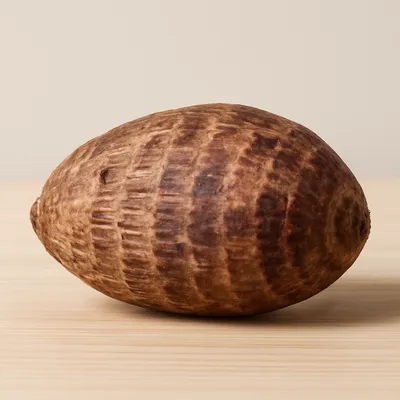
Fold two overlapped leaves into a cone; spoon in seasoned rice, then layer in braised pork, a shiitake cap, chestnut, lotus seeds, diced taro, dried shrimp, and a salted-egg yolk, topping with more rice.
- 620 min
Fold the leaves over into a tight four-cornered parcel and bind firmly with reed string, leaving no gaps for water to seep in.
Watch outBind the parcels tight with no gaps — any gap lets water seep in over the long boil and turns the rice to paste.
- 7150 min
Lower the parcels into a deep pot of boiling water so they are fully submerged, weight them down, and boil two to three hours, topping up with boiling water as needed.
- 810 min
Lift the zongzi out and let them drain and settle briefly so the rice firms up.
- 93 min
Serve hot in the leaf, unwrapped at the table, with satay sauce, mashed garlic, and sweet chili for dipping.
Archive tool suggestions — not reviewed
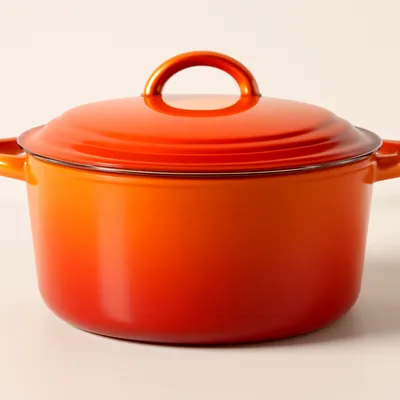
These legacy suggestions have not been evidence-reviewed and are not presented as required tools.