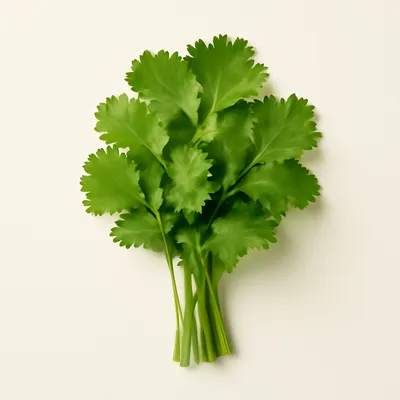
The breakfast Xiangyang lives by: springy alkaline noodles in a bone broth, topped with stewed beef and a fierce slick of beef-tallow chili oil. Locals sum it up as "first hot, second numbing, third fresh" — the heat of chili, the tingle of pepper, the savor of the meat and stock. The noodles are kneaded with lye water and rested overnight so they cook firm and slippery, laid over a handful of mung-bean sprouts, then crowned with beef or mixed offal, garlic, scallion and cilantro. The customary chaser is a bowl of the city's home-brewed rice wine.

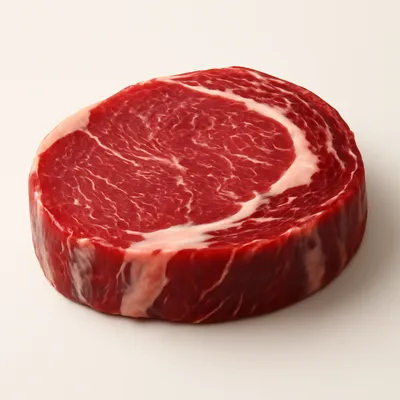


Xiangyang sits on the Han River, and in the Ming and Qing its booming dock trade meant porters who rose before dawn and needed something hot and heavy to haul cargo on — a bowl of beef-tallow chili broth over alkaline noodles fit the bill. Local accounts date the dish back about three centuries, and it is now recognized as a city culinary emblem and an item of intangible cultural heritage. The pairing with home-brewed yellow rice wine — pale, faintly sweet and low in strength, drunk by the bowl — is itself the mark of an "old Xiangyang" breakfast.
The first thing is the red — a cap of glossy tallow chili oil that coats every strand. The noodles are thick and bouncy, with that faint alkaline tang and a real snap; under them, bean sprouts add a cool crunch and the broth carries beef-bone depth. The chili hits, then a numbing pepper tingle rides in behind it, then the long savor of the stewed beef. It eats hot, oily, and rousing, the kind of bowl that wakes you up. A sip of the cool sweet rice wine between mouthfuls cuts the heat just enough.
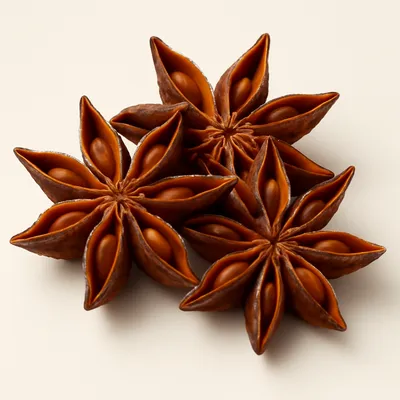
Two crafts define it: the noodle and the red oil. The dough is mixed with lye water (and often a little duck-egg white), kneaded firm, then rested and "shaken" — par-boiled, tossed with oil, and fanned cool — so by morning the strands are taut and slick and won't go soft in the bowl. The chili oil is no quick drizzle: beef tallow is rendered and simmered low with chopped pickled chili, dried chili and a clutch of whole spices until it turns deep red and aromatic. To serve, the pre-cooked noodles are flash-reheated in boiling water over a bed of sprouts, drained, and built up with broth, beef, the tallow oil, and raw aromatics — the heat of the bowl waking the chili oil's fragrance.
Variations
Beyond plain beef there is beef-offal (niúzá), and the bowl is also known locally as beef-tallow noodles or "nest noodles." Heat can be ordered up or down, and a portion of broth can be added for a soupier bowl. The constants are the alkaline noodle, the tallow chili oil, the mung-bean sprouts, and the cool rice-wine chaser.
On the Palate
Where Xiangyang Beef Noodles sits in the Chinese flavor cloud
Ingredients
Serves 2

How it's made
8 steps · 40 min active + 20 min waiting
- 120 min
Knead wheat flour with lye water and a little egg white into a firm dough; rest well.
- 215 min
Roll and cut into thick noodles, par-boil, toss with oil, and fan cool so they stay springy.
Watch outPar-boil, oil, and fan the noodles cool so they finish taut and slick — skip the cooling and they go soft and clump in the bowl.
- 340 min
Render beef tallow and simmer it low with pickled chili, dried chili and whole spices into a deep-red chili oil.
Watch outRender the tallow and simmer it low with the chilies until it turns deep red and aromatic — a quick fry stays pale and raw-tasting.
- 490 min
Stew beef (or beef offal) with aromatics until tender; keep warm in its liquid.
- 5120 min
Simmer beef bones into a savory broth.
- 63 min
Blanch mung-bean sprouts and lay them in the serving bowl.
- 72 min
Flash-reheat the noodles in boiling water, drain, and pile over the sprouts.
- 83 min
Top with broth, sliced beef and a generous spoon of tallow chili oil; finish with garlic, scallion and cilantro, and serve with rice wine.
Archive tool suggestions — not reviewed
These legacy suggestions have not been evidence-reviewed and are not presented as required tools.



