The Taipei clear-broth style of beef noodle soup, beef shank and tendon simmered in a soy-and-spice stock until gelatinous, served with fresh noodles and pickled mustard greens. Named for the Yongkang Street lane of old Taipei where the style was refined.
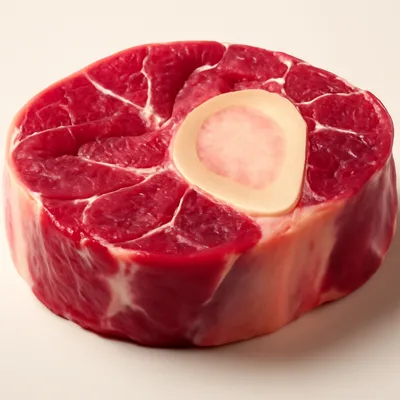





Yongkang beef noodle is the Taipei refinement of Taiwan's national dish, the clear-broth or hong-shao style of beef noodle soup that crystallised in the lanes around Yongkang Street in Taipei's Da-an district in the 1960s and 70s. The dish itself, niu rou mian, was created by Mainlander veterans in the Kaohsiung Gangshan veterans' village in the late 1940s, a Sichuanese nostalgia-cooking adaptation of beef soup using Taiwanese beef and doubanjiang chili bean paste. But the Taipei refinement, which became the benchmark, simmered beef shank and tendon in a soy-and-spice stock until the connective tissue melted into a glossy, gelatinous broth, served with fresh wheat noodles, pickled mustard greens and a separate dish of chili-oil paste for the diner to season. Yongkang Beef Noodle, the shop, has traded on the eponymous lane since 1963, and the lane became a beef-noodle destination. Taipei's annual Beef Noodle Festival, founded 2005, formalised the dish's national status, and the Yongkang style, clear-broth, deeply gelatinous, is one of the two canonical schools alongside the darker, spicier Kaohsiung version.
A clear, deep brown, glossy broth that coats the lips with gelatin, loaded with meltingly soft beef shank and tendon, firm fresh noodles, and tart pickled greens to cut the richness. A spoonful of the house chili paste lights it up. Deeply savoury, long-cooked.
The Yongkang style is built on a long braise that dissolves collagen into the broth. Beef shank, rich in connective tissue, and beef tendon are blanched, then simmered for 3 to 4 hours in a stock of water, soy sauce, rock sugar, and an aromatic bundle of star anise, cinnamon, Sichuan peppercorn, ginger and garlic. Over the long cook, the collagen in the shank and tendon dissolves into gelatin, which gives the broth its glossy, lip-coating body without any starch thickening, and turns the meat meltingly tender. The broth is kept relatively clear and brown, the hong-shao colour, rather than the dark mud of over-spiced versions, the aromatics in a bag for easy removal. Fresh alkaline wheat noodles, pulled or cut, are cooked separately and added to the bowl, their firm chew contrasting the soft meat. Pickled mustard greens, sour and crunchy, are served on top or alongside to cut the richness, and each table has a dish of chili-oil paste and a bottle of black vinegar for the diner to season. The long collagen extraction is the technical core.
Variations
The darker, spicier Kaohsiung Gangshan style uses more doubanjiang. Some add tomato for sweetness. A clear, unseasoned qing-dun style is the other canonical school.
On the Palate
Where Yongkang Beef Noodle sits in the Taiwanese flavor cloud
Ingredients
Serves 6How it's made
6 steps · 30 min
- 15 min
Blanch 800g beef shank and 300g beef tendon in boiling water; drain and rinse.
- 25 min
In a large pot, combine the meat with 3 litres water, 100ml soy sauce, 50g rock sugar, a sliced ginger, 6 garlic cloves, and a spice bag of 2 star anise, 1 cinnamon stick and 1 tsp Sichuan peppercorn.
- 38 min
Bring to a boil, skim, then simmer gently for 3 to 4 hours until the shank is fork-tender and the broth glossy and gelatinous.
Watch outSimmer gently 3 to 4 hours until the shank is fork-tender and the broth turns glossy and gelatinous — a hard boil makes the broth cloudy and the meat stringy.
- 46 min
Remove the meat, slice the shank; strain the broth and return it to the pot, seasoning with salt.
- 55 min
Cook fresh wheat noodles in boiling water until just chewy; drain.
Watch outPull the noodles the moment they're just chewy — they keep softening in the hot broth in the bowl, so keep them firm.
- 65 min
Assemble bowls: noodles, sliced beef and tendon, ladles of hot broth, topped with pickled mustard greens; serve with chili-oil paste and black vinegar.
Archive tool suggestions — not reviewed
These legacy suggestions have not been evidence-reviewed and are not presented as required tools.

