
Taipei dark-broth beef noodle soup — slow-braised beef shank + bone, doubanjiang spice paste, sweet soy. The post-war 'Sichuan-Taipei' fusion dish that became Taiwan's national bowl.






Mainland-Sichuan immigrants in 1950s Taipei's Yongkang Street adapted Sichuan beef noodle with the addition of Taiwan-style sweet soy; the dish became a national symbol.
Dark glossy broth carrying spice paste depth; tender beef shank and chewy wheat noodles; mustard greens on top for tang.
Long braising of beef bones extracts collagen for body; doubanjiang and sweet soy provide spice + sweet balance; the broth-to-noodle ratio is famously generous.
Variations
Tomato version (番茄牛肉麵) adds chopped tomatoes for acid. Half-tendon-half-shank cut is the classic order.
On the Palate
Where Beef Noodle Taipei sits in the Taiwanese flavor cloud
Ingredients
Serves 4





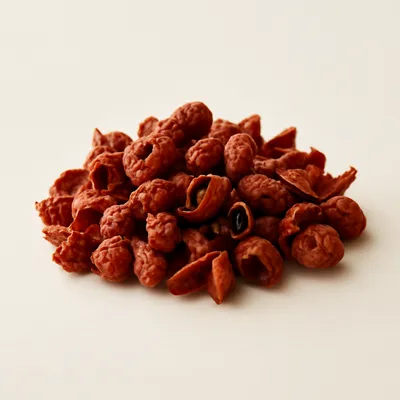

How it's made
4 steps · 1 hour active + 3 hours waiting
- 15 min
Blanch 1 kg beef shank + 500 g beef bones 5 min; rinse.
Watch outBlanch only until the gray scum rises and the water clouds — you're rinsing out impurities, not cooking the beef, so pull it before it goes gray through.
- 25 min
Sauté 6 sliced ginger + 1 onion + 6 garlic + 3 tbsp Pixian doubanjiang + 1 tbsp Sichuan peppercorn in oil 5 min.
Watch outFry the doubanjiang until the oil turns deep red and smells fragrant, not raw-bean — that red oil is the soul of the broth.
- 3150 min
Add beef + 60 ml dark soy + 30 ml sweet soy + 3 L water + 2 star anise + 1 cinnamon + 60 g rock sugar + 30 ml Shaoxing; simmer 2.5 hr.
Watch outKeep it at the barest bubble for the full 2.5 hours — a hard boil turns the broth cloudy and dries the shank; you want the meat yielding to chopsticks.
- 410 min
Boil 400 g hand-pulled wheat noodles 3 min; place in bowls; ladle broth + beef + pickled mustard greens + chopped scallion on top.
Watch outPull the hand-pulled noodles at springy, not soft — they keep swelling in the hot broth and go mushy if you wait.
Archive tool suggestions — not reviewed
These legacy suggestions have not been evidence-reviewed and are not presented as required tools.


