
Fijian taro leaves slow-simmered with coconut milk, onion, and salt until the leaves are silky and the coconut sauce is reduced — distinct from Samoan palusami (which is umu-wrapped) by being stovetop-simmered into a stew rather than parcel-baked. The Indo-Fijian everyday green dish.





Fijian palusami is the everyday-pot version of the umu-cooked Samoan palusami — same ingredients, different technique. The Indo-Fijian community has integrated palusami into their cooking, often eaten with rice and curry. Vegetarian families eat it as the main dish; meat-eaters serve it alongside fish or chicken.
Spoon up palusami Fijian — taro leaves silky-soft and deep-green, suspended in glossy coconut sauce. Bite: leaves are tender (the pre-boil removes harsh oxalate), coconut milk's richness coats everything, ginger gives subtle warmth, onion provides aromatic base. With rice underneath, this is the everyday Indo-Fijian-iTaukei plate.
Taro leaves carry needle-like calcium oxalate crystals (raphides) plus an irritant protein; eaten raw, the crystals puncture the mouth and throat, causing stinging and swelling. The crystals themselves resist washing and cooking, but pre-boiling and discarding the water leaches out the soluble oxalate and greatly reduces the irritant effect. Coconut milk's fat emulsifies with the leaves' natural pectins, creating the creamy sauce. Long 30-min low simmer integrates flavors.
Variations
Smoked fish palusami adds flaked smoked fish — meat-eaters' version. Vegetarian palusami omits any meat. Coconut-cream palusami uses heavier coconut cream for richer result.
On the Palate
Where Palusami Fijian sits in the Fijian flavor cloud
Ingredients
Serves 6
How it's made
10 steps · 30 min active + 1 hour waiting
- 17 min
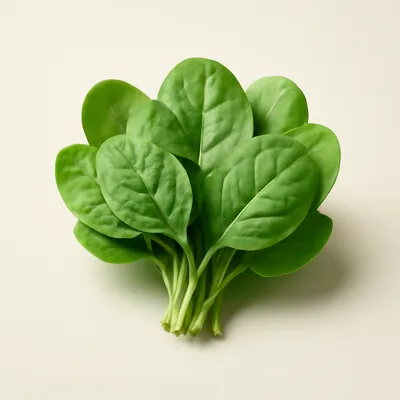
Prep 800 g fresh taro leaves (or substitute large spinach + collard greens). Wash; remove tough stems.
- 212 min
Pre-boil leaves: in salted water for 10 min to soften and remove calcium oxalate. Drain; squeeze excess water; chop coarsely.
Watch outBoil the taro leaves first and throw the water away — that discard is what leaches out the oxalate that stings the throat; never skip it or serve them underdone.
- 37 min
In a heavy pot, heat 2 tbsp coconut oil. Add 2 chopped onions; cook 6 min.
- 42 min
Add 4 minced garlic cloves + 1 tbsp grated ginger; cook 1 min.
- 51 min
Add chopped leaves; toss to coat.
- 62 min
Add 600 ml thick coconut milk + 1 tsp salt + ½ tsp white pepper. Stir.
- 732 min
Simmer covered 30 min on low, stirring every 10 min. Leaves should turn silky-dark.
Watch outSimmer low and covered until the leaves turn silky and dark — low and slow lets the coconut fat marry the leaves into a creamy sauce.
- 811 min
Uncover; simmer 10 min more to reduce sauce to a glossy coating.
Watch outUncover and cook down until the sauce turns glossy and coats the leaves — you want it clinging, not soupy.
- 91 min
Optional: add 100 g flaked smoked fish in the last 8 min for protein.
- 102 min
Taste; adjust salt. Serve hot with rice, taro, or cassava on the side.


