
Madagascar's iconic everyday stew — pounded fresh cassava leaves slow-cooked with pork shoulder, ginger, garlic, and onion until the leaves are silky-soft and the pork is fork-tender. Served with white rice and a side of sakay. Different from West African pondu: no palm oil, the pork fat provides richness; the texture is darker green and meat-forward.

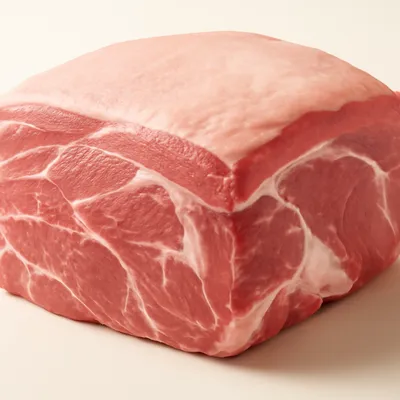




Ravitoto sy henakisoa ('pounded cassava leaves with pork') is the Malagasy household everyday meal — beloved across the island. The cassava leaves are pounded for 30+ minutes traditionally by women using a wooden mortar and pestle (modern: food processor). Pork is the most-common protein in central highlands; coastal villages use beef instead. The dish reflects Madagascar's Bantu-African heritage but with Malagasy adjustments (no palm oil, more ginger).
Spoon up dark-green ravitoto — leaves are silky, dense, deeply infused with pork richness. Pork chunks are fork-tender, the lean fibers separated by ribbons of melted fat. Ginger gives subtle warmth; the pork-and-leaf umami is the dish's body. With rice catching the juice, this is the most-everyday Malagasy plate. Sakay alongside provides the chili counterpoint that's mandatory for Malagasy eating.
Cassava leaves contain hydrocyanic glycosides — pre-soaking and long cooking removes residual amounts. The 30+ min cassava-leaf pound (or processor) ruptures cell walls so leaves release flavor and pectin into the sauce. Pork fat (compared to palm oil in West African versions) provides a different richness profile — more savory-rendered, less vegetal. The total cook time (90 min+) is essential for the pork collagen to convert to gelatin and the cassava leaves to integrate fully.
Variations
Beef ravitoto uses beef chuck — coastal variant. Vegetarian ravitoto uses tofu + peanut butter for richness. Chicken ravitoto is the modern weeknight version. Diaspora ravitoto uses frozen cassava leaves (Asian or African grocery stores) — close to authentic. Festival ravitoto adds extra pork and is cooked overnight on low heat.
On the Palate
Where Ravitoto sy Henakisoa sits in the Malagasy flavor cloud
Ingredients
Serves 6


How it's made
11 steps · 45 min active + 2 hours 15 min waiting
- 132 min
Soak 200 g dried cassava leaves (or 500 g fresh) in warm water 30 min. Drain.
- 23 min
Pound or process: pulse in food processor with 100 ml water until coarse paste, 2 min.
- 35 min
Cut 600 g pork shoulder into 3-cm cubes. Season with 1 tsp salt + ½ tsp ground black pepper.
- 49 min
In a heavy pot, brown the pork in 3 tbsp vegetable oil over high heat, 8 min.
Watch outSear until the cubes wear a deep brown crust on several sides and stick then release from the pot — that fond is flavor.
- 55 min
Add 2 chopped onions + 6 minced garlic cloves + 3 tbsp grated ginger; cook 4 min.
- 652 min
Add 1.5 L water + 1 bay leaf + 1 tsp salt. Bring to simmer; cover; cook 50 min until pork is starting to tender.
- 73 min
Add pounded cassava leaves; stir to incorporate. The mixture will look dry — that's normal; leaves will release liquid.
Watch outRight after the leaves go in the mixture looks dry and clumped — that's expected; don't add water yet, they'll loosen.
- 837 min
Continue simmering covered 35 min, stirring every 10 min. Adjust water if drying out.
- 911 min
Uncover; simmer 10 min to reduce. The ravitoto should be a dense dark-green stew with pork visible.
Watch outFinished when it's a dense, dark-green stew glossy with rendered fat and the pork shreds at a nudge.
- 101 min
Taste; adjust salt. The pork fat should have melted into the leaves, giving the dish its richness.
- 113 min
Serve hot over white rice with sakay alongside.


