
Guiyang's signature noodle: springy hand-cut egg noodles in a clear-red, oily broth, crowned with soft-braised pork intestine and quivering blood curd. The bowl is built on three things whose names ring lucky in the local dialect — chang (intestine), wang (blood curd), and a scatter of cui-shao, little nuggets of pork belly rendered crisp. The broth gets its red sheen and gentle heat from a chili oil whipped into the pork stock, not from a fiery dry burn. Spooned over at the last moment, the blood stays just-set and silky, the intestine tender, the noodles slick and alkaline-firm.



Chang wang noodles took shape in Guiyang in the late Qing, and the city has eaten them as its defining breakfast ever since. The auspicious reading is part of the dish: in the Guiyang dialect chang (intestine) and wang (blood curd) echo chang-wang, "ever-prospering," which is why the bowl became a customary New-Year and shop-opening dish and why old hands say a good one should leave you flush with luck. Its exact inventor is not recorded; the form that endured is the work of small Guiyang noodle stalls who paired cheap offal and blood with their own egg noodles and a red-oil broth. The dish stayed local — it is the one breakfast that says Guiyang the way Lanzhou says beef noodles — and is now listed among the province's intangible-heritage snacks.
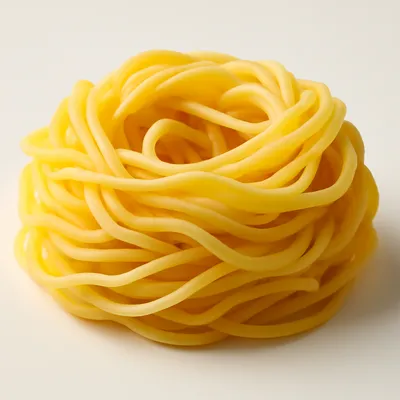
The first thing is the red, glossy broth — clinging with oil, gently warming rather than searing, savory underneath from pork bone. The noodles are the alkaline kind: yellowish, slick, firm with a clean snap that holds in the hot soup. The blood curd is the soft heart of the bowl, just-set and custard-silky, sliding apart on the spoon. The intestine is braised soft with the clean offal funk fans want. And cutting across all of it are the cui-shao: nuggets of pork belly fried until the fat renders to a brittle, savory crunch that stays crisp on top of the soup. Rich, slippery, gently hot, with that little auspicious crackle.
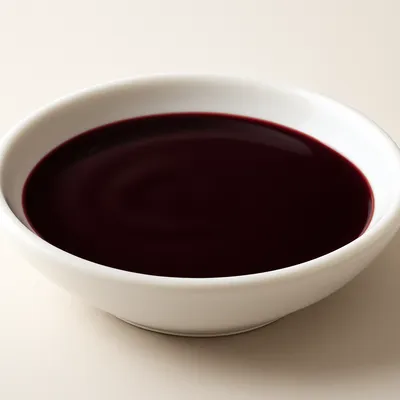
Four components carry the bowl, each its own technique. The intestine is scrubbed hard with flour, salt and vinegar to strip its musk, then long-braised with spices until the collagen melts and it goes soft. The blood curd is set from fresh pig's blood lightly salted and steamed or gently poached just to a custard — it must be added at the very end, because a real boil toughens and pits it. The cui-shao is the signature: cubes of pork belly fried slowly so the fat renders out and the bits crisp; a touch of sweet-sour seasoning makes the "sweet" crisp version, plain salt the "savory" one. The broth is built on pork-bone stock finished with the local red oil — a chili oil bloomed from coarse chili in warm fat, which suspends in the soup to give that glossy red surface and a mellow, rounded heat rather than a raw burn. The noodles are alkaline egg noodles, the lye raising their pH so the dough turns springy, yellow and slip-firm, holding their bite under hot soup.
Variations
The cui-shao splits the field: a sweet-sour "tian-shao" versus a plain salted "xian-shao," and many bowls carry both. Heat and oil are dialed to taste — some stalls pour a near-scarlet slick, others keep it lighter. The noodles are properly fresh alkaline egg noodles cut by hand; home cooks substitute dried. Beyond Guiyang the bowl barely travels intact, but it sits in a wider Guizhou family of red-oil offal-and-blood noodles, and within the city a handful of old-name shops are argued over for whose intestine and whose broth is truest.
On the Palate
Where Chang Wang Noodles sits in the Chinese flavor cloud
Ingredients
Serves 4

How it's made
8 steps · 1 hour active + 2 hours waiting
- 115 min
Clean the pork intestine hard: rub repeatedly with flour, salt and vinegar to strip the slime and musk, rinse, blanch with ginger and scallion, then rinse again.
Watch outScrub the intestine hard with flour, salt and vinegar until the slime and musk are gone — under-cleaned, it stays slippery and rank however long you braise it.
- 275 min
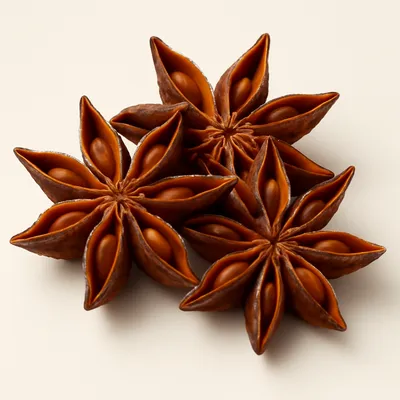
Braise the intestine with ginger, star anise and a splash of wine until soft and tender, then cut into bite pieces; keep it warm in its liquor.
- 325 min
Make the cui-shao: fry small cubes of pork belly over low heat until the fat renders and the bits turn brittle and crisp; season a portion sweet-sour, drain and reserve.
- 420 min
Set the blood curd: lightly salt fresh pig's blood, steam or gently poach just until it sets to a custard, then cut into slabs and hold in warm water.
Watch outSet the blood curd at a bare poach just until it holds like custard — a real boil toughens it and pits it full of holes.
- 5120 min
Simmer a pork-bone stock for a couple of hours into a clean, savory broth; keep it hot.
- 610 min
Bloom the red oil: pour warm oil over coarse chili flakes to make a glossy red chili oil; stir a measure into the broth for color and mellow heat.
- 75 min
Cook the fresh alkaline egg noodles in plenty of boiling water until springy and just done, then lift into bowls.
- 83 min
Ladle over the red broth, lay on the braised intestine, slip in the blood curd off-heat so it stays silky, scatter the crisp cui-shao and scallion, and serve at once.
Watch outSlip the blood curd in off the heat at the very end — dropped into a boiling bowl it seizes rough instead of staying silky.


