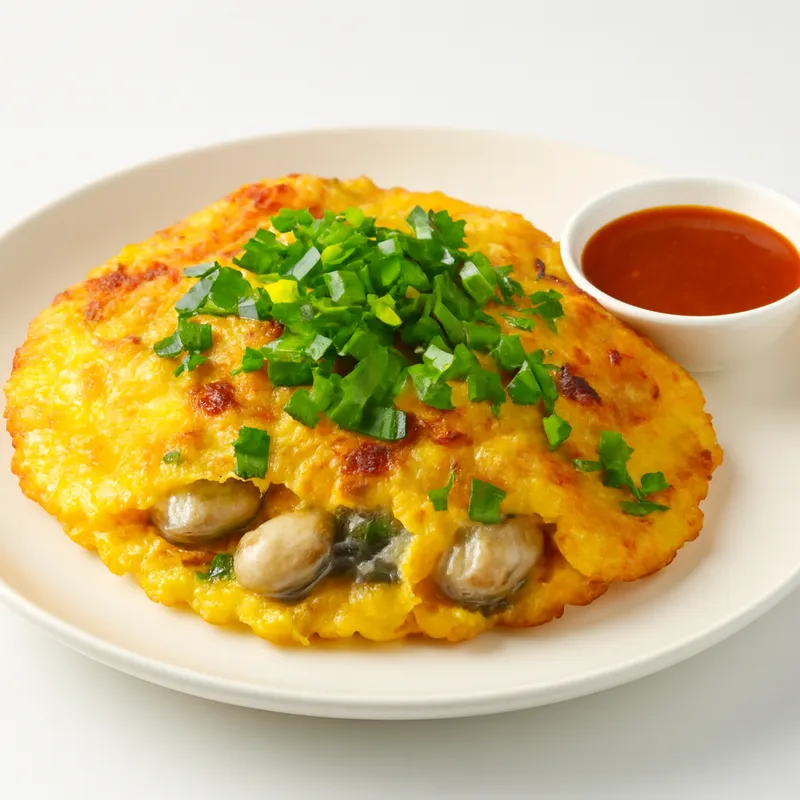
Shanghai noodles crowned with a slow-braised, chilli-lacquered minced pork topping — a dish of gentle paradox in a city that rarely eats spicy food, yet has made this bowl an emblem of old neighbourhood warmth.


Spicy pork noodles occupy a quietly paradoxical place in Shanghai's food culture: Shanghainese tastes historically ran to sweet-savory and mild, yet辣肉面 became a staple of the city's neighbourhood noodle shops. Food writers tracing Shanghai's noodle genealogy note that the dish reflects the influence of migrants from Jiangbei — the communities north of the Yangtze — who arrived in Shanghai in large numbers from the late Qing through the Republican era and brought a tolerance for chilli into the city's kitchens. The topping was practical for noodle stalls: a big batch of braised spicy pork could be made in the morning and kept warm all day, ladled cold to order without live cooking, which suited the rapid-service street noodle economy. The dish does not bear a single famous inventor or origin restaurant in verifiable historical sources; it accumulated quietly across countless neighbourhood stalls over the twentieth century to become part of the implicit map of Shanghai comfort food.
The topping arrives glistening, its chilli oil pooling around springy noodle strands. The pork is tender and yielding, mellowed by long cooking into a sweet-spicy richness that never bites hard. A block of suji — soy-braised pressed tofu — sits alongside, moist and faintly smoky, the customary accompaniment.
The spicy pork topping achieves its characteristic mellow heat through an extended braise at low temperature. Capsaicin in the dried chillies is fat-soluble: as the pork fat renders during the slow cook, it dissolves and carries the capsaicin throughout the topping, creating a dispersed warmth rather than concentrated hotspot heat. Sugar added during braising undergoes partial caramelisation and also combines with amino acids from the pork in the Maillard reaction, producing the characteristic red-brown glaze and deep savoury sweetness. The pork's collagen converts to gelatin at around 70–80°C during the prolonged simmer, adding body and a lip-coating richness to the topping. When ladled onto hot noodles made from high-gluten alkaline dough, the springy noodle strands resist absorbing the topping's moisture, maintaining their bite while the surface picks up the aromatic chilli oil.
Variations
Some shops enrich the topping with dark soy sauce for a deeper colour; Suzhou-influenced versions add sweet wheat paste (甜面酱) to reduce heat and increase sweetness. Home cooks sometimes add diced firm tofu directly into the braising pot so it absorbs the chilli-pork flavour. The accompanying suji can be substituted with deep-fried gluten puffs (面筋) for a different texture.
On the Palate
Where Spicy Pork Noodle Soup sits in the Chinese flavor cloud
Ingredients
Serves 2

How it's made
8 steps · 20 min
- 110 min
Soak dried red chillies (5–8, seeds removed for milder heat) in warm water for 10 minutes; drain and mince coarsely.
- 22 min
Heat 3 tablespoons of oil in a wok over medium heat; add minced ginger and the minced chilli; fry 1 minute until fragrant.
Watch outFry the ginger and chilli just until they smell fragrant — the moment they'd start to scorch, add the pork.
- 33 min
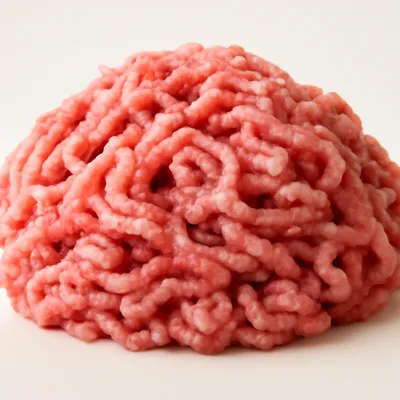
Add 300g coarsely minced pork (80% lean); stir-fry, breaking it up, until the meat loses its pink colour, about 3 minutes.
- 42 min
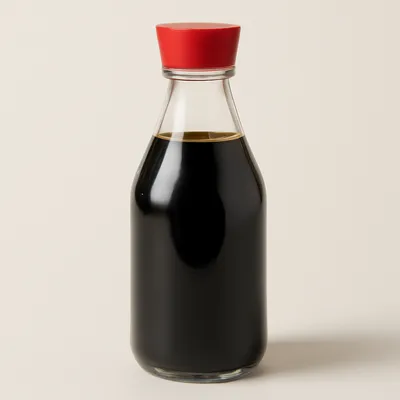
Add light soy sauce, dark soy sauce, Shaoxing wine, sugar, and enough water to barely cover the pork; stir to combine.
- 530 min
Reduce heat to low; simmer uncovered for 25–30 minutes, stirring occasionally, until the liquid reduces to a glossy, concentrated sauce that coats each pork morsel.
Watch outReduce until the sauce turns glossy and clings to each morsel — thin and watery means it hasn't concentrated enough.
- 65 min
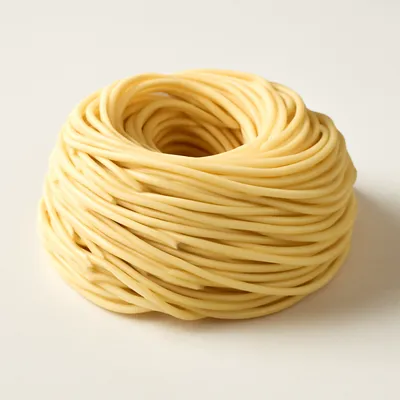
Meanwhile, bring a large pot of water to a boil; cook fresh Shanghai alkaline noodles for 2 minutes until just done; drain and divide into two bowls.
Watch outPull the alkaline noodles at just-done, springy stage — they keep softening in the hot bowl.
- 71 min
Ladle a generous portion of hot spicy pork topping over each bowl of noodles; do not stir — let the chilli oil seep down through the strands.
- 81 min
Place a piece of suji (soy-braised pressed tofu roll) alongside; serve immediately.
Archive tool suggestions — not reviewed
These legacy suggestions have not been evidence-reviewed and are not presented as required tools.