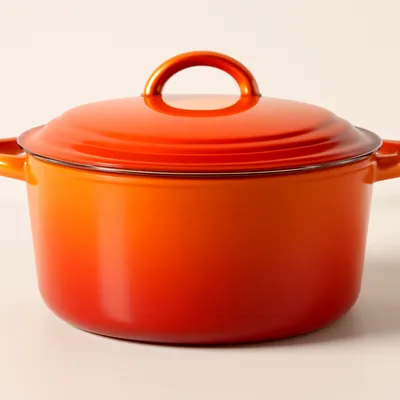
A simple, warming pot of napa cabbage simmered with firm tofu in a light pork broth — the defining winter dish of northern Chinese home cooking, humble and sustaining in equal measure.
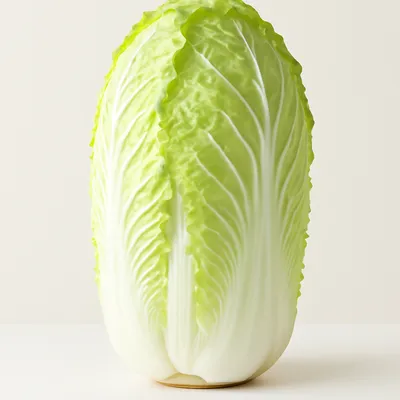




Napa cabbage became a cold-season staple of northern China from the Ming dynasty onward, stored in earthen pits through winter. Tofu's origin is traditionally attributed to Han-dynasty Prince Liu An (相传约前一六四年前后), though this claim is debated by food historians; what is well-documented is that tofu had become a widespread northern protein staple by the Song dynasty (960–1279). The two were combined in winter stews as a natural pairing: cabbage sweetens during long braising, and tofu absorbs the resulting broth. Qing-dynasty household writings document this combination as standard winter fare, and it remains virtually unchanged today.
Translucent, silky cabbage leaves in a clean, faintly sweet broth alongside creamy tofu cubes — warming, nourishing, and as comforting as any winter stew can be.
Napa cabbage is nearly 95% water. Extended simmering (15–20 min) breaks down its pectin matrix, releasing glutamic acid and sweetening compounds into the broth; the leaves become translucent. Firm tofu is a protein gel (soy proteins crosslinked by calcium sulfate) that swells slightly when heated in broth, developing a porous interior — especially pronounced in frozen tofu (冻豆腐), where ice crystal formation creates large interconnected channels that dramatically increase broth absorption. Pork bones contribute glutamates and collagen hydrolysate that thicken and enrich the otherwise light vegetable stock.
Variations
Northeast China versions add glass noodles, pork belly slices, and wood-ear mushrooms for a more substantial one-pot meal. Shanxi families add fermented tofu (腐乳) to the broth for extra umami depth. Cantonese cooks may add oyster sauce and fried shallots for a richer southern variation.
On the Palate
Where Napa Cabbage and Tofu Stew sits in the Chinese flavor cloud
Ingredients
Serves 3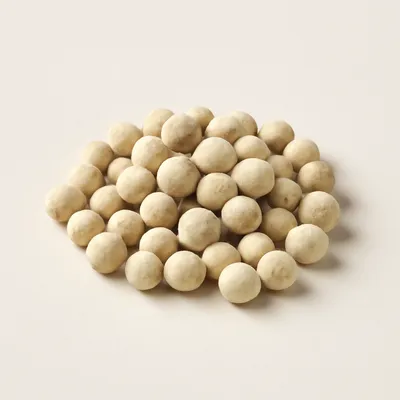
How it's made
7 steps · 10 min
- 15 min
Cut 600 g napa cabbage into 5 cm sections; separate leaves from thick stems.
- 23 min
Cut 400 g firm tofu into 2 cm cubes; pat dry.
- 34 min
Heat 1.5 tbsp oil in a wide pot over medium-high; pan-fry tofu until golden on two sides (optional but adds texture), about 4 minutes.
Watch outFry the tofu until golden on two sides — that skin gives it a springy bite and keeps the cubes from crumbling in the stew.
- 41 min
Add sliced ginger (3 pieces) and 100 g pork belly slices (optional); cook 1 minute.
- 53 min
Add thick cabbage stems first; pour in 600 ml stock or water; bring to a boil.
- 615 min
Add tofu and cabbage leaves; season with 1 tbsp soy sauce, 1 tsp salt; simmer covered 15 minutes.
Watch outGive the cabbage a full 15-minute simmer — that's what breaks it down and sweetens the broth; rushed, the leaves stay raw and grassy.
- 72 min
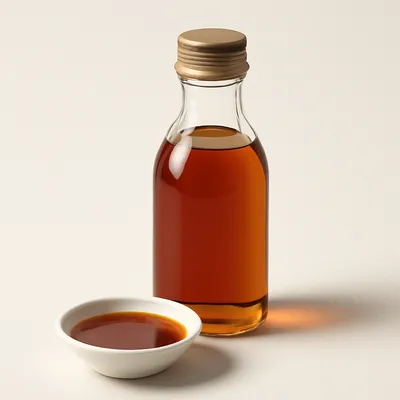
Taste, adjust seasoning; finish with a pinch of white pepper and a drizzle of sesame oil; ladle into bowls.
Archive tool suggestions — not reviewed
These legacy suggestions have not been evidence-reviewed and are not presented as required tools.