
Nanchang clay-pot soup is the street-corner institution of the Jiangxi capital: a single portion of soup sealed in a small glazed earthenware pot and slow-simmered for hours, embedded in the wall of a metre-high charcoal urn. Dozens of little pots ring the urn's inner wall, packed around a central charcoal fire that never goes out, so the heat comes not from a direct flame but from the radiant clay around them — a gentle, even, smokeless heat that holds the soup at a bare tremble overnight. Lotus root and pork-rib, pork tripe and white pepper, three-yellow chicken, ground-pork-and-egg custard, taro and pork — each comes up in its own sealed pot, the broth clear and concentrated, the meat falling apart. A bowl of clay-pot soup with a plate of Nanchang tossed rice noodles is the city's standard breakfast, lunch, and small-hours supper. The technique earned municipal intangible-heritage listing in 2014 and provincial listing in 2017.




Clay-pot soup belongs to Nanchang, and the city tells its origin as a happy accident. The most-repeated tale sets it in the Northern Song: a scholar out on a country excursion sealed his leftover ingredients in an earthenware jar and buried it in the still-warm ash of the cookfire; returning the next day, he found it simmered into a soup of extraordinary depth, and the method caught on. The date is folklore rather than record, but the urn-simmering trade is documented in Nanchang's modern food history through named soup houses — a Xinjian County proprietor, Li Maofa, is widely credited with bringing the dish into his restaurant and training apprentices who fanned out to open urn-soup shops across the city's busiest quarters. Whatever its true beginning, the dish is locked to Nanchang, where the charcoal urn on the pavement is as much a fixture as the rice-noodle stall beside it; a pot of it even travelled to China's Antarctic research station.
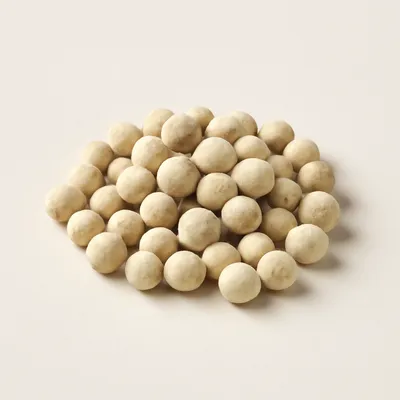
The lid comes off and the steam is meaty and clean, with no fry-oil edge — this soup has never met a wok. The broth is the prize: hours of bare-tremble simmering pull collagen and savour out of bones and meat into a liquid that is clear yet thick on the lip, faintly sticky from dissolved gelatin, and seasoned with little more than salt, ginger, and a hit of white pepper that warms the throat. Pork ribs slide off the bone; lotus root has gone floury and soft, drinking up the stock; the ground-pork custard quivers like set silk. You drink it slowly, straight from the little pot, the clay still hot in your hands.
The whole craft is in the urn. A metre-high earthenware crock holds a central charcoal bed; the sealed soup pots sit in tiers around its inner wall, so they cook by the radiant heat stored in the surrounding clay, never by direct flame. That gives a soft, even, flameless heat that holds the liquid below a rolling boil for the full twelve hours or so — exactly the gentle convection that clarifies a broth instead of churning it cloudy, while the long, low simmer slowly hydrolyses collagen from bone and connective tissue into gelatin for body. Sealing each pot keeps every soup's aroma and moisture sealed in, so flavours concentrate without evaporating away and without crossing between pots. No browning, no searing: this is pure extraction, which is why salt, ginger, and pepper are usually all the seasoning a good pot needs.
Variations
The pot list is long and seasonal: lotus root with pork rib is the everyday favourite, alongside pork tripe with white pepper, three-yellow chicken, ground-pork-and-egg custard, taro with pork, pig-trotter, soft-shell turtle, and bamboo-and-rib among many others. Some shops set a whole salted egg or a few wolfberries into the custard; others enrich the chicken pot with red dates and dried longan. The seasoning stays minimal across the board — salt, ginger, white pepper — because the urn does the work; what changes is the main ingredient in each little pot. Away from a charcoal urn, home cooks approximate it with a slow bain-marie or a low oven.
On the Palate
Where Nanchang Clay-Pot Soup sits in the Chinese flavor cloud
Ingredients
Serves 2How it's made
7 steps · 20 min
- 110 min
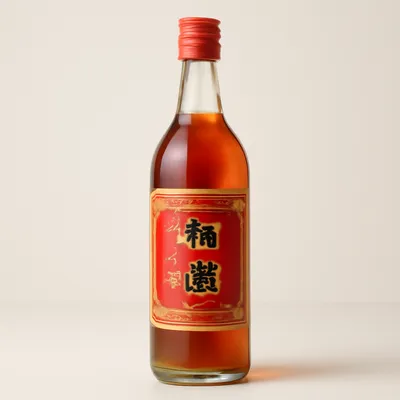
Blanch pork ribs from cold water with a splash of Shaoxing wine; skim the scum and rinse clean.
Watch outSkim patiently until the water runs clear of grey foam — this first cleanup is what lets the final broth stay bright.
- 25 min
Peel the lotus root and cut into thick chunks.
- 35 min
Pack the ribs, lotus root, ginger slices and a little salt into a small glazed clay pot.
- 43 min
Pour in just-boiled water to fill the pot to the shoulder, leaving headroom, then seal the lid.
Watch outFill with just-boiled water only to the shoulder, leaving headroom so the pot can seal without spilling over.
- 54 min
Set the pot to simmer in a clay urn around a charcoal fire (or, at home, stand it in a deep pot of barely-simmering water as a bain-marie).
- 6480 min
Hold at a bare tremble — never a rolling boil — for about 8 hours, topping up the surrounding water if it runs low.
Watch outThe surface should barely quiver, never break into a rolling boil — that's the exact heat that keeps the broth clear.
- 73 min
Lift out the pot, season with white pepper and adjust the salt, and serve straight from the clay.
Archive tool suggestions — not reviewed
These legacy suggestions have not been evidence-reviewed and are not presented as required tools.


