
A mountain-delicacy stew from the Huangshan area of Anhui, in which a free-range hen is slow-stewed in a clay pot with wild rock-ear (石耳), a black foliose lichen gathered from the cliffs of mountains such as Huangshan and Jiuhuashan. The lichen — not to be confused with the rock frog 石鸡 — is soaked and scrubbed clean of grit, then stewed with the chicken, ham bone, scallion, and ginger over a low fire until the meat is meltingly tender. The finished dish has very tender chicken in a clear, deeply savory broth carrying the lichen's distinctive earthy fragrance, and is prized as a restorative.
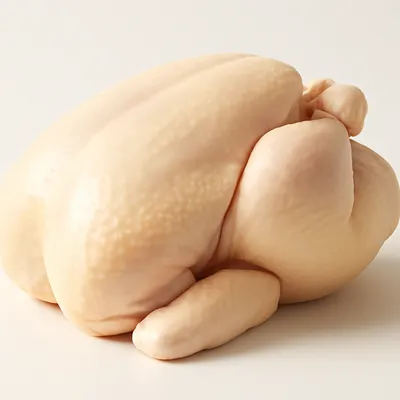

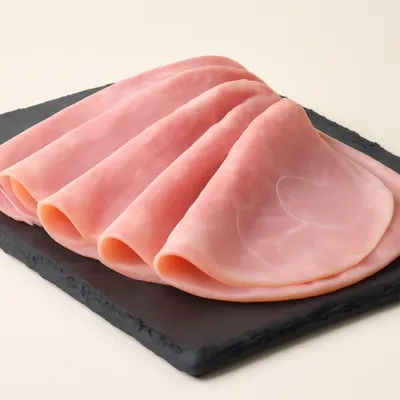


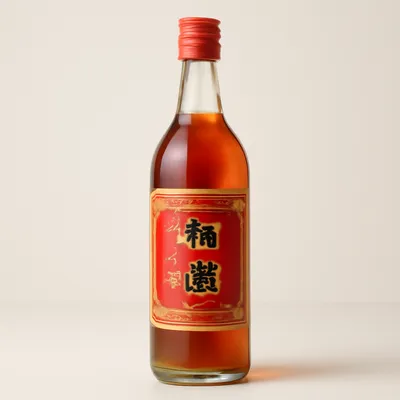
The dish comes from the mountain cookery of Huizhou (Huangshan) in southern Anhui, where wild rock-ear is a celebrated local 山珍 (mountain delicacy). 石耳 is a foliose lichen, Umbilicaria esculenta — a symbiosis of fungus and alga, not a plant and not the frog called 石鸡 — that grows on bare cliff faces above about 1,000 metres, where it must be picked by hand from the rock and grows back only over many years, which makes it scarce and valued. Eating it in China is old and documented: the Ming pharmacologist Li Shizhen's 《本草纲目》 notes that it grows plentifully on Mount Lu, that 'mountain monks gather and sun-dry it to send afar,' and that 'washed of grit and cooked as a vegetable it surpasses wood-ear, a fine thing.' Pairing this prized lichen with a whole stewing hen is the standard way the Huizhou kitchen presents it; the exact origin of the stew itself is not recorded.
The chicken comes off the bone in soft, juicy shreds, the long stew having loosened it without making it stringy. The broth is clear amber and tastes clean and deeply savory, with the ham bone behind it; over it lies the rock-ear's particular note — earthy, faintly mineral, a little like a cross between wood-ear and a dark forest mushroom. The lichen itself is thin and pleasantly slippery-chewy, with a fine crispness at the edge, never gritty if it was washed properly. A good bowl is fragrant and limpid, the fat skimmed; a bad one is greasy and cloudy, the chicken dry from too hard a boil, or the lichen still carrying sand and a bitter, muddy taste because it was not soaked and scrubbed enough.
Two things make the dish: gentle stewing and thorough cleaning of the lichen. Rock-ear grows flat against rock and traps grit and fine sand in its folds and on its underside, so it must be soaked in warm then cold water and rubbed repeatedly until the dark wash runs clear — skipping this leaves a gritty, bitter pot. The chicken is first blanched to remove blood and scum for a clear broth, then stewed in a clay pot: the pot's even, gentle heat slowly converts the collagen in the bird's connective tissue to gelatin, so the meat turns fall-apart tender and the broth gains body, while a fire kept low (never a hard rolling boil) stops the soup from emulsifying the rendered fat and turning cloudy. A ham bone is added for depth — its glutamates layering with the chicken's own savor — and is removed once it has given its flavor. The lichen, which is tougher, goes in toward the end so it softens to slippery-tender without disintegrating.
Variations
Within Huizhou the same lichen is also stewed with other prized birds and meats; nearby in Jiuhuashan a 黄精石耳土鸡汤 adds Solomon's-seal rhizome (黄精) as a further tonic, and across the provincial border the dish is well known as 庐山石耳炖鸡 on Mount Lu and as 天柱山石耳炖土鸡. Some cooks use a whole hen cut up, others a small whole bird; some keep the soup perfectly clear, others add a little Shaoxing wine and rock sugar. The lichen 石耳 is the constant — note again it is the cliff lichen, not the frog 石鸡 of the dish 清蒸石鸡, with which the homophone often causes confusion. The same dried lichen also appears in vegetarian Buddhist cooking on these tea-and-temple mountains.
On the Palate
Where Rock-Ear Lichen Stewed Chicken sits in the Chinese flavor cloud
Ingredients
Serves 4
How it's made
7 steps · 40 min active + 1 hour 50 min waiting
- 160 min
Soak the dried rock-ear in warm water until pliable, then rub and rinse it repeatedly in cold water to wash out all the dark grit and fine sand; drain.
Watch outRub and rinse the rock-ear in cold water again and again until the dark wash runs clear — skip this and the grit and fine sand leave a gritty, bitter pot.
- 212 min
Clean a free-range hen, chop into large pieces (or leave whole), and blanch in boiling water to remove blood and scum; lift out and rinse.
- 35 min
Put the chicken in a clay pot with a piece of ham bone, scallion knots, ginger slices, and a splash of Shaoxing wine, and add enough water to cover.
- 460 min
Bring to a boil over high heat, then turn the fire low and stew gently, skimming the fat, until the chicken is about eight-tenths tender.
Watch outBring to a boil then drop to a low fire and stew gently, skimming the fat — a rolling boil clouds the broth instead of slowly turning the collagen to body.
- 51 min
Remove the ham bone and pick out the scallion and ginger.
- 640 min
Add the cleaned rock-ear (cut into pieces if large) and a little salt, and continue to stew until the chicken is meltingly tender and the lichen is soft.
- 72 min
Skim off excess fat, adjust the salt, and serve the chicken and lichen in the clear broth.
Archive tool suggestions — not reviewed
These legacy suggestions have not been evidence-reviewed and are not presented as required tools.

