Whole mottled eel, blanched to strip surface mucus, then slow-simmered in clear pork-bone stock — the Teochew gongfu method that reveals the eel's natural sweetness in a trembling, gelatin-rich broth.
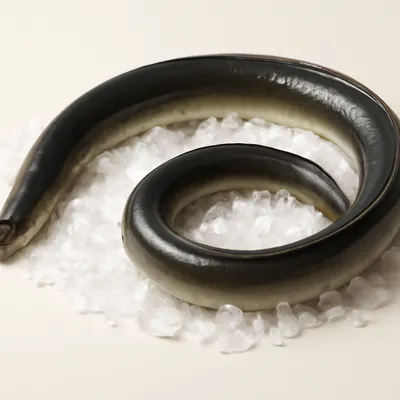




The giant mottled eel has been central to Chaoshan cuisine for generations. The Han River delta and its many tributaries provide ideal habitat for this species, and the region's waterways have long been among southern China's most productive eel grounds, earning the eel its local nickname 'ginseng of the water.' The clear-stewed preparation, which forgoes dark sauces entirely, was developed to honour the eel's inherent sweetness and to showcase a cook's mastery of sustained low heat, hallmarks of Teochew gongfu cuisine. The dish is recorded in modern Teochew culinary catalogues and in Guangdong province's local-history gazetteers as one of the region's signature slow-stewed preparations.
The stewed eel arrives in pale, trembling broth — jade-white flesh peels in thick satin flakes, the gelatin-enriched stock coating the palate with a long, clean sweetness that asks nothing extra of you.
Giant mottled eel skin is thick with subcutaneous fat and collagen. At a sustained 80–85°C simmer, triple-helix collagen fibres hydrolyse into gelatin, turning the broth silky and clingy — it sets to a jelly on cooling. The initial blanch is the critical step: briefly exposing the eel to vigorously boiling water causes the surface glandular cells to rupture, releasing a whitish mucous layer that would otherwise cloud the stock and amplify fishiness. Rinsing it away yields the characteristic clear, brilliant broth that defines the dish. The eel's muscle fibres, loosely bundled and fat-interspersed, remain tender even at full doneness because the connective sheath dissolves before the myosin proteins can over-contract into toughness.
Variations
Sour plum steamed eel: eel segments steamed over pickled plum and preserved vegetable, the acid cutting the fat while plum umami permeates the flesh — the most common home-style treatment. Turnip-cured eel braise: eel coiled in a clay pot over radish preserve and pork belly, slow-braised until the stock reduces to a sticky glaze. Red-braised eel: eel lacquered in soy, Shaoxing wine, and rock sugar until deep amber, richer and festive, served at Chaoshan banquets.
On the Palate
Where Clear-Stewed Black-Eared Eel sits in the Chinese flavor cloud
Ingredients
Serves 4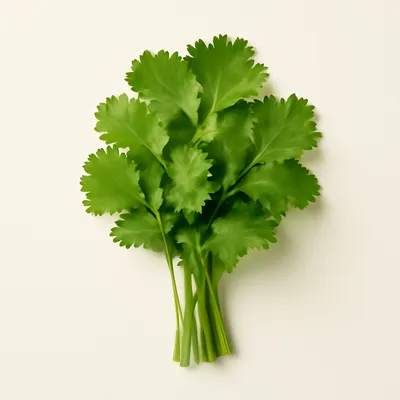

How it's made
7 steps · 15 min
- 110 min
Score the eel crosswise every 5 cm without severing, creating visible sections; rub the cuts lightly with salt inside and let rest 10 minutes
- 22 min
Blanch the eel in vigorously boiling water for 60–90 seconds until a white mucus appears on the skin; drain immediately
Watch outWatch for the whitish mucus surfacing on the skin — that's the blanch done; lift it out the moment it appears or the flesh starts to overcook.
- 35 min
Under cold running water, scrub the eel with a cloth to remove all surface mucus; rinse until the water runs clear and the skin is clean
Watch outScrub every trace of that mucus off until the rinse water runs clear — any left behind clouds the broth and drags in fishiness.
- 43 min
In a clay pot, lay ginger slices and spring onion sections on the base; coil the eel on top in a neat ring
- 55 min
Pour clear pork bone stock over the eel to submerge; bring to a boil over high heat and skim any foam that rises
- 640 min
Reduce to the lowest possible flame; cover and simmer for 35–40 minutes until the flesh pulls easily from the bone with light pressure
Watch outKeep it at the barest tremble, never a rolling boil — a hard boil breaks the flesh apart and turns the clear stock milky.
- 72 min
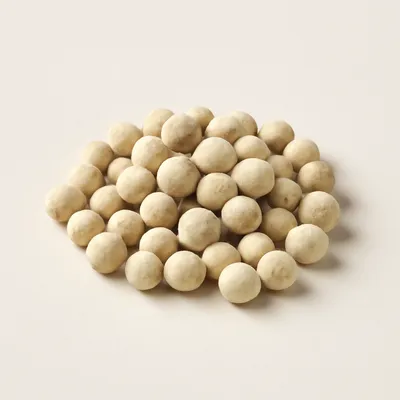
Season with fine salt, a small drizzle of fish sauce, and white pepper; garnish with fresh coriander and serve in the clay pot
Archive tool suggestions — not reviewed
These legacy suggestions have not been evidence-reviewed and are not presented as required tools.



