A slaughter-day broth feast from Guizhou and the wider Miao heartland: on the day a year-pig is killed, the freshest cuts — belly, intestine, liver, lung and blood cake — are simmered together with wood-ear mushrooms and day-lily buds in clear pork stock, then brought straight to the table still bubbling. Eating paotang marks the beginning of the lunar New Year season.


The word 庖 means 'chef' in classical Chinese — Zhuangzi's famous parable of Cook Ding (庖丁解牛) uses the same character. The feast of eating fresh slaughter-day pork — called variously 庖汤, 刨汤, 泡汤 or 刨猪汤 depending on region — is practised across Sichuan, Chongqing, Guizhou, western Hubei, western Hunan and northern Yunnan among Han, Miao, Yi and Tujia communities. Kaili municipal records include it among the Eighteen Dishes of Kaili, affirming its deep roots in Miao agricultural life. A related form in Shaanxi's Shiquan county was listed in Shaanxi Province's sixth batch of Provincial Intangible Cultural Heritage in 2018, attesting the breadth and antiquity of this winter pork-feast tradition.
A naturally rich, clear broth around tender belly slices and silky offal — clean pork sweetness layered with the vegetal depth of wood-ear and day lily, cut sharply by a chili dipping sauce on the side.
Offal must be cooked on slaughter day because autophagy enzymes in gut tissue and cathepsins in the liver begin degrading cellular structure within hours of death, souring flavour and softening texture. The cold-start simmering technique extracts collagen from connective tissue and bone without emulsifying fat into the stock, keeping the broth translucent. Blood cake solidifies via the thermal denaturation of fibrinogen and albumin above 65°C, setting into a soft, custard-like texture when gently simmered.
Variations
A red-broth version (辣味庖汤) common in Guizhou and Chongqing adds Pixian bean paste and chili oil to the stock. In Hunan, offal is more often stir-fried with preserved vegetables than simmered. Urbanised versions simplify to pork belly alone, dropping the offal.
On the Palate
Where Paotang Farmhouse Pork Feast sits in the Chinese flavor cloud
Ingredients
Serves 6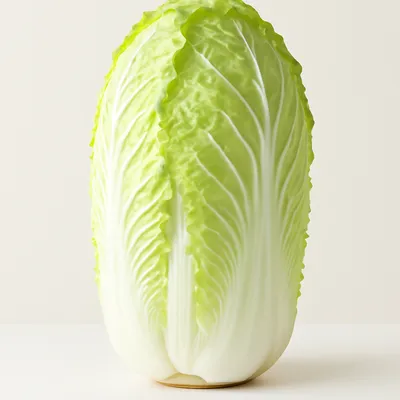

How it's made
7 steps · 30 min
- 120 min
Clean intestines thoroughly: rub inside and out with salt and rice vinegar, turn under cold running water; slice liver thin; cut pork belly into thick pieces; soak dried wood-ear mushrooms and day-lily buds in warm water for 20 minutes.
- 25 min
Bring a pot of water to a boil; blanch intestines and sliced lung for 2 minutes to remove impurities; drain and rinse under cold water.
- 35 min
Place pork belly pieces and any available bones in a clean pot; cover with cold water; bring slowly to a gentle simmer over medium heat, skimming all foam.
Watch outBring the pork and bones up slowly from cold water, skimming all foam — a gentle rise keeps the broth translucent instead of cloudy.
- 420 min
After 20 minutes of gentle simmering, add blanched intestines and lung; continue to simmer without boiling.
- 55 min
Add drained wood-ear mushrooms and day-lily buds; add sliced liver; simmer 5 minutes until liver is just cooked through.
- 63 min
Gently lower blood cake into the broth; add rice wine and salt to taste; hold at lowest heat for 3 minutes.
Watch outLower the blood cake in and hold it at the lowest heat — above a bare simmer it toughens; gentle heat sets it soft and custardy.
- 75 min
Add napa cabbage or seasonal greens; transfer pot to a portable burner and bring to table still simmering; serve with chili oil or fresh chili sauce on the side.
Archive tool suggestions — not reviewed
These legacy suggestions have not been evidence-reviewed and are not presented as required tools.



