Ten or more winter vegetables — each stir-fried separately, then combined — that appear on every Nanjing table from New Year's Eve through the first ten days of the lunar new year. Entirely vegetarian, it serves as a balancing counterpoint to the rich meats of the feast. Each vegetable carries an auspicious name-linked meaning: shepherd's purse gathers wealth, carrot opens the year in red, lotus root threads a clear path forward.


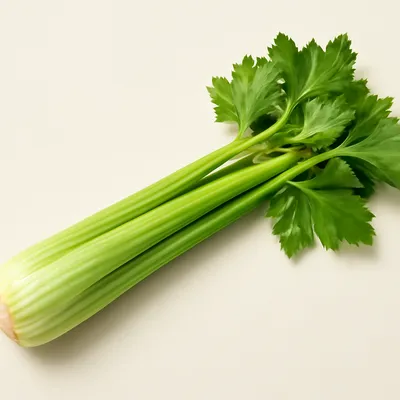
The roots of Nanjing's assorted vegetable dish lie in the ancient five-pungent-plate custom recorded in Jin-dynasty scholar Zhou Chu's Fengtu Ji: on the first day of the new year, five pungent raw vegetables were eaten to activate the qi of the five organs. By the Qing dynasty the custom had evolved in Nanjing into a stir-fried vegetarian multi-ingredient assemblage. Its precise form is documented in Jinling Suishi Ji by Qing scholar Pan Zongding: on New Year's Eve, households julienned ten ingredients including pickled ginger cucumber, carrot, day lily, wood ear, winter bamboo shoot, white celery, soy-seasoned dried tofu, tofu skin, and wheat gluten, stir-fried them in oil, and called the result the Ten Sceneries Dish. Pan's list has been the template for Nanjing families ever since. The old-line vegetarian restaurant Lü Liu Ju served a celebrated version that attracted Republican-era officials.
A mouthful is a textural conversation between crisp carrot, slippery wood ear, yielding dried tofu, and chewy wheat gluten, all seasoned lightly with soy and finished with sesame oil. The flavors are gentle and interwoven — no single ingredient shouts — and the overall effect is cooling and balancing against a New Year table of rich dishes. Left overnight, the vegetables mellow and integrate into something even better.
The key technique is cooking each vegetable separately before combining. Different vegetables carry vastly different moisture contents and heat requirements: high-moisture greens like shepherd's purse release water quickly and would cause the wok to steam rather than fry if added alongside dry ingredients like tofu skin or wheat gluten. Frying each ingredient individually over high heat first drives off excess moisture, allowing the final toss to remain dry-cooked rather than braised. A small addition of sugar amplifies the soy sauce's umami at the vegetable surface. Sesame oil is added off-heat as a finish: its aromatic compounds begin to break down above 180 degrees Celsius and would dissipate if added during stir-frying.
Variations
The exact list of ten vegetables is not fixed: Nanjing families argue passionately about the correct household version, and seasonal availability governs which greens appear. Nearly universal ingredients are carrot, wood ear, dried day lily, firm dried tofu, and wheat gluten. Cycling ingredients include arrowhead, shepherd's purse, winter bamboo shoot, and dried tofu skin. The dish is always entirely vegetarian. Many families cook the full batch on New Year's Eve and eat it cold for the next ten days — the flavors mellow and integrate beautifully over time.
On the Palate
Where Assorted Ten-Vegetable Stir-Fry sits in the Chinese flavor cloud
Ingredients
Serves 6

How it's made
7 steps · 40 min
- 120 min
Soak dried wood ear and dried day lily in warm water 20 minutes; drain and squeeze dry; julienne all vegetables to equal length thin strips
- 23 min
Heat wok over high heat with a little oil; stir-fry carrot julienne 2 minutes until just softened; season with soy sauce and salt; remove
Watch outCook each vegetable separately over high heat — combined, the wet greens release water and steam everything soggy instead of frying.
- 310 min
Stir-fry wood ear, then dried day lily, then firm dried tofu, then celery, then winter bamboo shoot each in succession, 1 to 2 minutes per batch with soy sauce and salt; remove each after cooking
- 42 min
Add leafy greens such as shepherd's purse and spinach last; stir-fry 30 seconds per type; remove
- 52 min
Combine all cooked vegetables and wheat gluten pieces in a large bowl; toss to mix
- 62 min
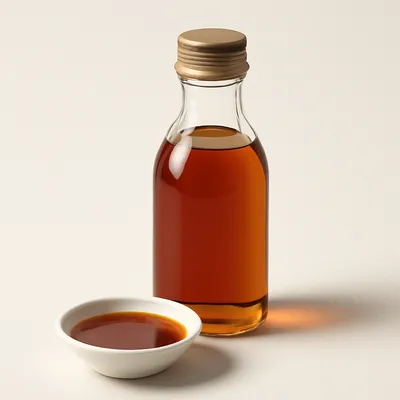
Drizzle with 2 tbsp sesame oil; add a pinch of sugar; toss thoroughly to distribute seasoning evenly
Watch outAdd the sesame oil off the heat — its fragrance flashes off if it hits the hot wok, so drizzle it into the finished mix.
- 71 min
Serve immediately or allow to cool and rest overnight — the flavors deepen and integrate over 24 hours


