A luminous stir-fry from Tianjin's premium Eight Great Bowls. Rehydrated fish cartilage is diced into soybean-sized cubes, then tumbled at speed in a ripping-hot wok with a mixture of beaten egg yolk and chicken mince that sets on contact into brilliant gold fragments—scattering across the pale bone like osmanthus petals on stone, which is precisely what the dish is named for. No osmanthus is used; the flower is purely visual. The result is texturally striking: soft, pliant cartilage beneath a barely-there golden crust, clean and savory and impossible to stop eating.




The resourcefulness of Tianjin's professional kitchen culture produced 桂花鱼骨: a dish that transforms the cartilaginous spine and head bones of large fish—what might otherwise be discarded after filleting—into a centrepiece of the premium Eight Great Bowls. The 'Eight Great Establishments' (八大成) restaurants of late Qing Tianjin operated under a philosophy of maximal craft and minimal waste; this dish exemplifies it. Its precise origin cannot be attributed to a single restaurant or chef (the record does not survive), but its documented presence in both the fine (细八大碗) and premium (高八大碗) tiers attests to broad esteem. The osmanthus name is characteristic Tianjin kitchen poetry: describing a dish through the image of a flower rather than its literal ingredient, conferring auspicious beauty onto humble cartilage.
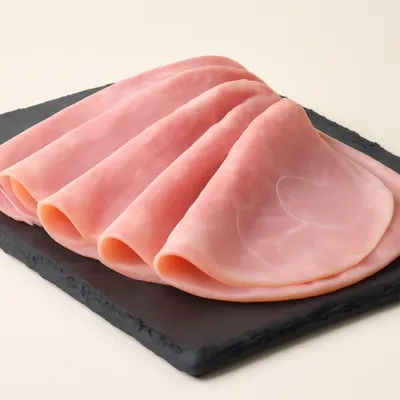
Each golden cube arrives lightly crunchy from the set egg yolk, then gives way immediately to a soft, slightly yielding interior—the fish cartilage, pliant after rehydration. The flavor is clean and savory, with the egg yolk's richness bridging the mildness of the bone and the depth of the stock. The five-color garnish—diced ham, carrot, cucumber skin, cooked egg white, black mushroom—adds crunch and visual splendor: a plate that actually looks like osmanthus in bloom.
Two simultaneous reactions in a very hot wok define this dish's appearance and texture. First, egg yolk proteins—chiefly phosvitin (卵黄高磷蛋白) and livetin (卵黄球蛋白)—denature rapidly above 70°C, unfolding and coating each fish-bone cube in a thin film. Simultaneously, the reducing sugars naturally present in egg yolk react with the free amino groups of these proteins in a Maillard reaction, producing melanoidins and volatile pyrazines responsible for the golden color and toasted aroma that distinguishes this dish from plain egg-fried preparations. The cartilaginous fish bone's softness is the product of processing: during oil-expansion and soaking, collagen fibrils in the cartilage matrix partially hydrolyze, loosening the rigid hydroxyapatite-collagen scaffold into a semi-soft, yielding structure. The added chicken mince functions as an adhesion bridge, improving batter grip on the bone surface and adding additional protein cross-links to stabilize the golden coating.
Variations
Crab roe variation: stir in a spoonful of sautéed crab roe at the end for a richer, more orange-hued version favored at premium banquets. Silver-white version (白桂花): use egg white instead of egg yolk—loses the golden color but gains a delicate, ghostly-white finish suited to summer menus. Vegetarian: substitute firm tofu cut into small cubes for the fish bone; same egg-yolk stir-fry technique, softer result.
On the Palate
Where Osmanthus Fish Bone sits in the Chinese flavor cloud
Ingredients
Serves 4
How it's made
7 steps · 2 hours
- 110 min
Rehydrate the fish bone: soak dried fish cartilage bone in warm water for at least 2 hours (up to 4) until fully pliable. Drain, pat dry, then cut into roughly soybean-sized cubes (about 5–7 mm).
Watch outRehydrate the fish cartilage until fully pliable before cutting — a stiff, under-soaked core stays hard and won't take the golden coating evenly.
- 25 min
Blanch briefly: bring a pot of water to a boil. Add the fish bone cubes and blanch for 1 minute to remove any remaining fishiness. Drain and pat dry thoroughly.
- 35 min
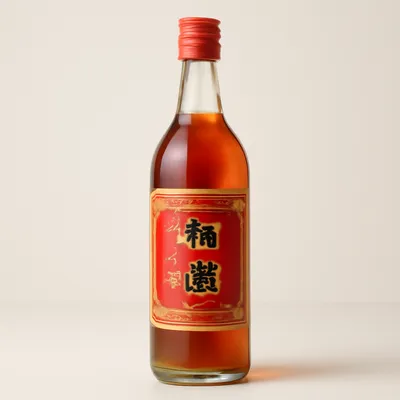
Make the coating: in a bowl, beat 3 egg yolks with 50 g finely minced chicken. Add cold water 1 tbsp at a time until the mixture reaches a loose, pourable, porridge-like consistency. Season with a pinch of salt and a few drops of Shaoxing wine.
- 48 min
Prepare the five-color garnish (五彩末): finely dice equal small portions of cooked ham, carrot, cucumber skin (green part only), cooked egg white, and rehydrated black mushroom. Combine and set aside.
- 52 min
Heat a wok over high heat until just smoking. Add 2 tbsp lard and swirl to coat. Add a pinch of minced spring onion and stir for 10 seconds until fragrant.
- 65 min
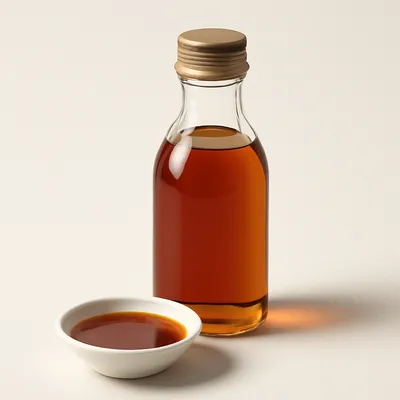
Stir-fry: add the blanched fish bone to the wok and stir-fry 30 seconds. Pour the egg yolk–chicken mixture over the fish bone while stirring quickly and continuously in a wide scooping motion, coating each piece evenly. Continue for 1–2 minutes until all the egg has set into golden fragments and the contents are dry, bouncing freely, and not clumping. Drizzle a few drops of sesame oil around the edge.
Watch outPour the egg-yolk mix over the hot fish bone while scooping fast and constantly — keep it moving until the egg sets into dry golden fragments; stop stirring and it clumps into a wet omelette.
- 72 min
Transfer to a serving plate and scatter the five-color garnish evenly across the top to create the visual impression of osmanthus in full bloom. Serve immediately.


