A Fuzhou banquet cold dish built on red lees (hong zao), the rosy fermented dregs left over from brewing Fujian's red-koji rice wine. A plump hen is first poached whole until just cooked, cooled, and cut up, then sealed and steeped twice over: once in red lees and once in aged yellow wine, so the chilled flesh drinks in colour, wine fragrance, and a gentle savouriness. The finished bird is pale rosy-red, the meat tender and springy, the bones soft, the aroma mellow rather than sharp. Plated cold with the head, wings, and feet reassembled into a whole-chicken form and ringed with sweet-and-sour pickled radish, it is a classic opener at old Fuzhou tables. Unlike red-lees pork, this is poached hen, twice-cured in lees and wine.




Drunken red-lees chicken is a traditional Fuzhou dish of Min cuisine, its identity inseparable from red lees, the rosy by-product of Fujian's red-koji rice wine. Brewers ferment red koji with glutinous rice into qinghong ("green-red") yellow wine; the strained dregs, dyed deep red by the koji mould rather than any added colour, are the red lees that Fujian cooks have prized as a seasoning since at least the Song dynasty. The Song record Jilei Bian notes that in the south and in Min, public and private brewers all made red-koji wine, and that come autumn they dressed vegetables, fish, and meat with red lees; the Northern Song Qingyi Lu had earlier called the lees "wine bone," and Zhu Xi, in Zhuzi Yulei, remarked that "the red lees of present-day Fuzhou are what the ancients called li wine, eaten by the spoonful." Out of this deep lees tradition Fuzhou cooks developed a family of red-lees dishes; the drunken hen, poached then twice-steeped in lees and wine, is among its most refined cold-platter expressions. Precise dating of the dish itself is uncertain, but its lineage in Fuzhou's lees cookery is well documented.
Cold from the dish, the skin is set and faintly gelatinous, the flesh tender and springy with a clean snap. The first thing you meet is the smell of red lees and aged wine — fermented, faintly sweet, more rounded than the bite of raw liquor. The meat tastes of wine all the way through, backed by a soft savouriness and a whisper of lactic tang from the lees, with no rawness or gaminess left. Bones give easily, and a slice of the sweet-and-sour pickled radish alongside cuts the richness and resets the palate.
Red lees do three jobs at once on the cold chicken: colour, aroma, and gentle curing. The red comes from Monascus pigments made by the red-koji mould as it grows — a natural dye, not an additive — and being largely fat- and alcohol-soluble it stains the skin and surface a clear rosy red. During brewing the mould also throws off esterases, amylases, and proteases, so the lees arrive loaded with volatile esters and alcohols (the mellow "wine" smell) plus a pool of free amino acids that read as umami and mask any gaminess. Poaching the hen just to doneness sets the proteins while keeping the flesh juicy; cooling firms the skin's collagen into a light gel and makes the meat springy. The two-stage steep then layers the flavour — red lees first for colour and savoury depth, aged yellow wine second for fragrance — while the lees' residual alcohol, mild acidity, and salt together suppress spoilage bacteria and slow oxidation, which is why a cured, chilled bird keeps and why the taste is mellow rather than sharp.
Variations
Some cooks debone the cooled bird and steep boneless pieces, trading the whole-chicken presentation for easier eating; others keep it on the bone and reassemble the head, wings, and feet into a full chicken shape. The first cure is sometimes done with a splash of sorghum spirit and salt before the lees-and-yellow-wine steep, for a deeper drunken note. Beyond chicken, the same red-lees-and-wine logic runs through a whole family of Fuzhou dishes — red-lees pork, red-lees fish, red-lees conch — and the sweet-and-sour pickled radish or chilli threads that ring the plate can be swapped for other crisp, palate-cleansing garnishes.
On the Palate
Where Drunken Red-Lees Chicken sits in the Chinese flavor cloud
Ingredients
Serves 6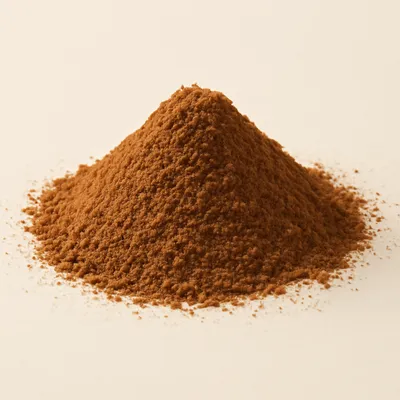

How it's made
9 steps · 40 min
- 140 min
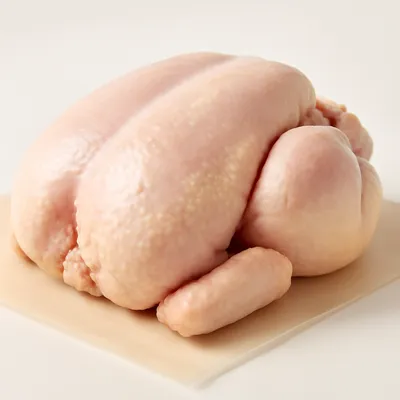
Clean a whole hen, blanch briefly in boiling water to remove scum, then poach gently in water with ginger and a little salt until just cooked through, about 30-40 minutes; do not let it boil hard.
Watch outKeep the poach at a bare tremble, never a hard boil — a rolling boil bursts the skin and the flesh falls apart before it's set.
- 230 min
Lift out the hen and let it cool completely; the flesh should be set and the skin firm, not falling apart.
Watch outThe bird must cool completely with firm, set flesh before it goes in the lees — warm meat won't take the marinade cleanly.
- 310 min
Rub the cooled bird inside and out with salt (and a splash of sorghum spirit, if using) and let it sit briefly to season.
- 415 min
Chop fine or mince the red lees, steam it through, then mix with a little of the reserved poaching broth and strain to make a smooth lees marinade.
- 5720 min
Place the hen in a clean non-reactive container, coat thoroughly with the red-lees marinade, seal, and refrigerate to steep for about 12 hours.
Watch outCoat every surface with the lees and keep it sealed cold — patchy coverage leaves pale streaks with no rosy color or wine aroma.
- 6720 min
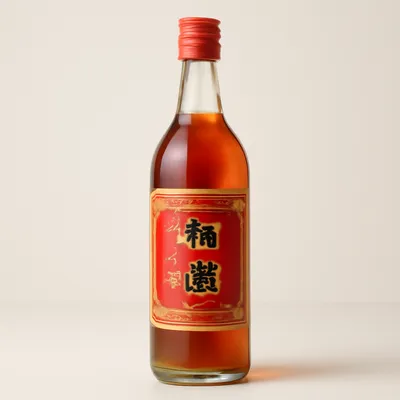
Add the aged Shaoxing/yellow wine along with rock sugar and five-spice, reseal, and steep cold for a further 12 hours or more so the wine fragrance penetrates.
- 720 min
Meanwhile pickle thin-cut white radish in a sweet-and-sour brine to make the cleansing side garnish.
- 815 min
Lift out the chicken, drain, and chop into neat pieces; reassemble into a whole-chicken form on the plate, keeping head, wings, and feet in place.
- 95 min
Ring the plate with the sweet-and-sour radish and a few chilli threads, spoon over a little of the strained lees liquor, and serve cold.
Archive tool suggestions — not reviewed
These legacy suggestions have not been evidence-reviewed and are not presented as required tools.