
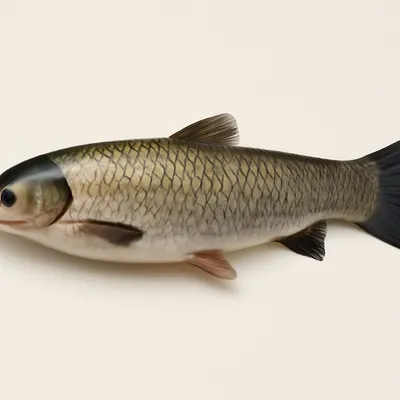
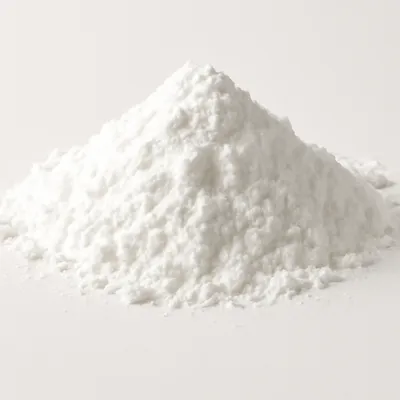
A classic Shandong (Lu cuisine) banquet dish from Jinan. White-fleshed fish—traditionally Yellow River carp, grass carp, mandarin fish, or snakehead—is sliced thin, velveted in an egg-white-and-starch coating, slipped through warm oil until just set, then folded into a glossy sauce built on xiangzao lu, a brine pressed from fermented yellow-wine lees. The result is silky and pale, salty-fresh with a clean, sweet finish and a distinct mellow wine-lees fragrance.




Wine-Lees Fish Slices belongs to the Shandong school, with its roots in the Fushan–Jinan cooking tradition. The technique 'liu' means to velvet an ingredient and then bind it in a quick, lightly thickened glaze; 'zao' refers to the fermented-rice-lees seasoning that defines this version. By tradition the dish travelled north in the Ming dynasty—several accounts credit a Fushan cook brought to the capital in the service of a Ming official—where it became a fixture of Beijing banquet cookery as well, so today it is claimed by both the Shandong and old Beijing repertoires. Lu cuisine codified a family of 'liu' methods that differ only in their dominant accent: cu-liu leans sour, jiao-liu leans crisp-sweet, and zao-liu foregrounds the fragrance of the wine lees.
Each slice gives way without resistance—soft, just-set fish under a near-invisible velvet skin. The sauce clings in a thin, lacquer-bright film: first salt and savor, then a quiet sweetness, and through it all the warm, almost boozy perfume of the wine lees. Black wood ear adds a faint snap; ribbons of bamboo shoot keep it from turning rich.
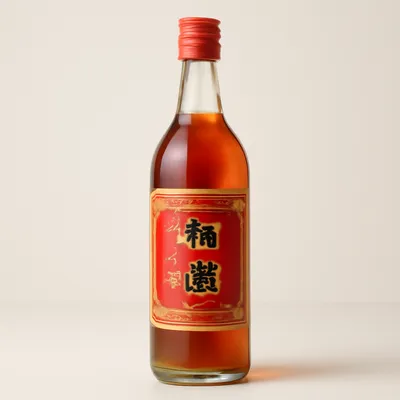
Velveting is the heart of the dish. The egg-white-and-starch coating sets into a thin protective shell, so when the slices are slipped into warm oil—around 30–40% heat, roughly 90–120°C, far below frying temperature—they cook gently from the outside in and stay tender rather than seizing and toughening. They are lifted out the moment they turn opaque. The sauce is made separately: stock, salt, sugar, ginger-scallion and the xiangzao brine are brought together, then bound with a loose starch slurry into a 'flowing' glaze before the fish returns to be folded through. Xiangzao lu is itself a fermented product—yellow-wine lees aged for months with spices, then steeped and strained—rich in aromatic esters such as ethyl acetate, which is what carries the mellow wine fragrance into the finished sauce without the harshness of raw alcohol.
Variations
The fish is interchangeable by region and season: northern versions favour carp or mandarin fish, while the dish as adapted in Shanghai is typically made with yellow croaker and pitched a touch sweeter for southern palates. Garnish ranges from wood ear alone to added bamboo shoot, with green peas sometimes scattered in for colour. The same zao-liu method underlies a small family of dishes—zao-liu shrimp (糟熘虾仁) and zao-liu san-bai, 'three whites,' which glazes pale ingredients such as fish, chicken and bamboo shoot together—all distinguished from the sour cu-liu and the crisp-sweet jiao-liu by their wine-lees accent.
On the Palate
Where Wine-Lees Fish Slices sits in the Chinese flavor cloud
Ingredients
Serves 4


How it's made
7 steps · 25 min
- 18 min
Slice the fish on a slant into thin pieces about 5mm thick; rinse and pat dry, then season lightly with salt and a pinch of white pepper.
- 25 min
Coat the slices with egg white and a little starch slurry, mixing gently until each piece is evenly slicked; let sit a few minutes to set the velvet.
Watch outCoat every slice evenly in egg white and starch, then let it rest a few minutes — that velvet shell is what keeps the fish tender in the oil instead of seizing tough.
- 36 min
Soften wood ear (and bamboo shoot, if using) in hot water; blanch briefly and arrange in the base of a deep serving dish.
- 44 min
Heat oil in a wok to about 30–40% heat (90–120°C); slip the fish slices in one by one and slide them apart until they just turn opaque, then lift out and drain.
Watch outSlip the fish into barely-warm oil, only 30-40% heat, and lift it the moment it turns opaque — hot oil toughens it and the velvet coat sloughs off.
- 53 min
In a clean wok combine light stock, salt, sugar, ginger-scallion juice and the xiangzao brine; bring to a gentle simmer.
- 63 min
Stir in a loose starch slurry, swirling the wok, to form a thin flowing glaze; return the fish and fold through to coat without breaking the slices.
Watch outStir in a loose slurry to a thin flowing glaze, then fold the fish through gently — a heavy hand breaks the delicate slices apart.
- 72 min
Drizzle a little hot oil for sheen, then turn the whole panful out over the wood ear and serve at once.


