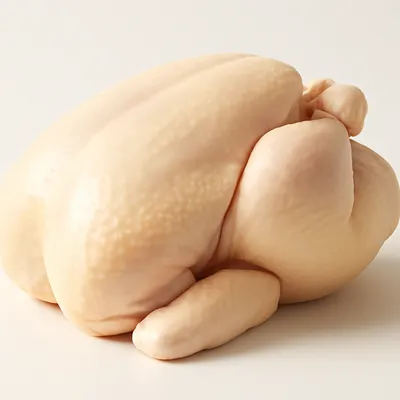
Whole poached chicken chilled and steeped overnight in a fragrant brine of aged Huadiao wine lees, spices, and salt — a cornerstone of Shanghai's summer 糟货 tradition that strips fat from the flesh while depositing layered, yeasty fragrance.
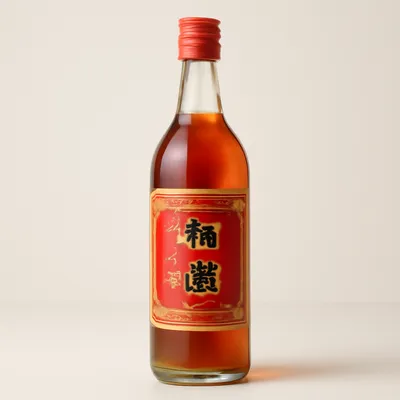



The zao (lees-marinated) tradition traces to pre-Qin drinking culture, its earliest written mention in the Chu Ci (《楚辞》). By the Southern Song dynasty, Hangzhou street markets sold zao-marinated pork heads, fish, and crabs as a standard method for preserving fresh protein in humid summers. Yuan Mei's 随园食单 (c. 1792) recorded home recipes for 糟鸡 alongside 糟肉 and 糟鲞, evidence of its widespread presence in Qing literati kitchens. In Shanghai, the venerable 老人和 restaurant — reputed to have been established in the Jiaqing period (c. 1800) before the treaty-port opening — set the benchmark, its recipe calling for five-year aged Huadiao wine, Datong zao sediment, and a compound of multiple spices. Each summer, demand outpaced supply across the city.
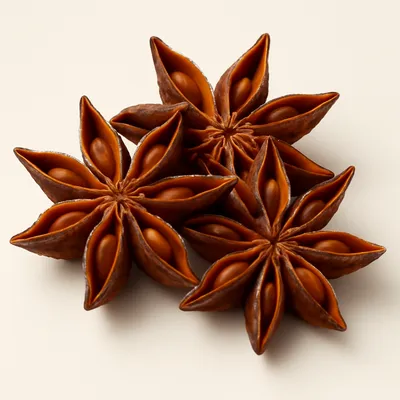
Cold, silky chicken that yields at the lightest pressure; the lees brine has drawn out excess surface fat while depositing a layered fragrance — floral and yeasty from the Huadiao, faintly herbal from star anise and cassia — that lingers well past the last mouthful. Best eaten in humid midsummer heat.
Rice wine lees (香糟) — the solids left after Huadiao production — are concentrated in esters, chiefly ethyl acetate and ethyl propanoate, that bind to fat-soluble flavour receptors. A 5-8% saline brine drives osmotic dehydration of surface proteins, expelling excess fat while compressing surface tissue so the chicken firms up without drying. Residual ethanol in the lees relaxes myofibril bundles, allowing ester molecules to migrate deeper into muscle tissue. Marinating at 6-8°C slows bacterial growth while maintaining diffusion velocity; 8-12 hours achieves full flavour saturation without over-salting.
Variations
The same lees brine is applied across Shanghai's entire 糟货 repertoire: 糟毛豆, 糟猪手, 糟鸭舌, 糟凤爪. A Shaoxing variant substitutes aged rice-wine vinegar for part of the Huadiao, yielding a sharper acidity. Home cooks today often use commercially bottled zao brine (糟卤) in place of hand-made lees brine — more convenient, though the aromatics are more one-dimensional.
On the Palate
Where Wine-Lees Cold Chicken sits in the Chinese flavor cloud
Ingredients
Serves 4
How it's made
7 steps · 20 min
- 15 min
Clean the whole chicken thoroughly; blanch in boiling water for 2 minutes to remove blood and impurities, drain and rinse.
- 235 min
Place chicken in a fresh pot of cold water with ginger and scallion; bring to a boil, reduce heat to a gentle simmer, cook 25 minutes, then remove from heat and leave covered for 10 minutes until fully cooked.
- 35 min
Transfer chicken immediately to an ice-water bath for 5 minutes to tighten the skin and stop cooking; remove and drain well.
Watch outPlunge the cooked chicken into ice water to tighten the skin and halt cooking before it goes into the brine.
- 420 min
Make the zao brine: crumble the rice wine lees into a bowl, stir in Huadiao wine, cold boiled water, salt, star anise, and cassia; steep 1 hour, then strain through cheesecloth, reserving the clear liquid.
- 5480 min
Submerge the cooled chicken in the zao brine in a deep container; cover tightly and refrigerate 8-12 hours.
Watch outSubmerge the cooled chicken fully in the strained lees brine and chill 8–12 hours — full immersion and time are what drive the wine-ester aroma deep into the meat.
- 65 min
Remove chicken from brine; chop into serving pieces with a heavy cleaver and arrange neatly on a cold plate.
- 73 min
Spoon a few tablespoons of strained zao brine over the pieces; serve immediately, cold.
Archive tool suggestions — not reviewed
These legacy suggestions have not been evidence-reviewed and are not presented as required tools.



