A Nanchang pig trotter sealed inside a small clay crock and nested in a larger charcoal-heated vessel for six uninterrupted hours — the same indirect-fire method that underlies the city's famed 瓦罐汤 tradition. The result is pork skin reduced to quivering amber jelly, soybeans plump with marrow-enriched broth, and a milky, fat-sheened soup of extraordinary depth. One of the Ten Famous Dishes of Nanchang.




The 瓦罐煨汤 technique is associated with Nanchang by centuries of local culinary memory. One often-cited origin legend places its discovery in the Northern Song Jiayou era (1056–1063), when a Hongzhou scholar reportedly sealed leftover ingredients in a clay pot buried in cooling cooking coals overnight, waking the next morning to an unexpectedly fragrant and delicious soup. A separate account attributes the tradition to Qing-dynasty official Tang Bin, who ordered large clay vessels of vegetable broth made for famine relief. Whatever its precise origins, the clay-crock method was well established in Nanchang by the Qing dynasty. In August 2014, the craft of 南昌瓦罐煨汤 was formally inscribed on the fourth batch of Nanchang municipal intangible cultural heritage. The pig trotter variant is among the Ten Famous Dishes of Nanchang as selected in 2021.
The skin has dissolved into quivering, amber-translucent jelly that gives way without resistance; beneath it the meat parts from the bone at the slightest touch. There is almost no chewing required — only the slow dissolution of extraordinarily concentrated pork savour. The soybeans, swollen with marrow broth, are powdery-soft. The soup, fat-sheened and milky, tastes of time itself: sweet, rounded, and impossibly deep.
Pig trotters have the highest collagen density of any pork cut, with type I and type III collagen concentrated in the skin and type I in the tendons. The 瓦罐 technique maintains a sealed, low-convection environment at approximately 95–100°C for six hours: above the threshold for collagen hydrolysis into gelatin (~80°C) but below the aggressive full boil that would cloud the broth or cause muscle fibres to lose excessive moisture. The micro-porous clay vessel walls allow volatile sulphur compounds responsible for pork off-notes to dissipate slowly, while retaining all water-soluble flavour compounds inside. Yellow soybeans contribute saponins and isoflavones to the broth, adding a subtle vegetal sweetness that rounds the fat richness.
Variations
Pork knuckle (肘子) can replace trotters for a leaner, meatier variant. Some 瓦罐 stalls add Chinese wolfberries (枸杞) and angelica root (当归) in the final two hours, shifting the dish toward a medicinal tonic soup. A soy-braised variant (红烧瓦罐猪脚) includes soy sauce, rock sugar, and five-spice before sealing for an amber, sweet-savoury glaze. Whole chicken with morel mushrooms is a classic alternative protein.
On the Palate
Where Clay-Pot Slow-Braised Pig Trotter sits in the Chinese flavor cloud
Ingredients
Serves 4


How it's made
7 steps · 30 min
- 110 min
Rinse trotters thoroughly; split each lengthwise along the central bone. Place in a pot of cold water with ginger slices and scallions; bring to a boil and blanch 5 minutes. Drain, rinse under cold running water, and scrape away any grey residue or singed hairs.
Watch outScrape off every grey speck and singed hair after blanching — leave them and they cloud the broth and taste off over the long braise.
- 210 min
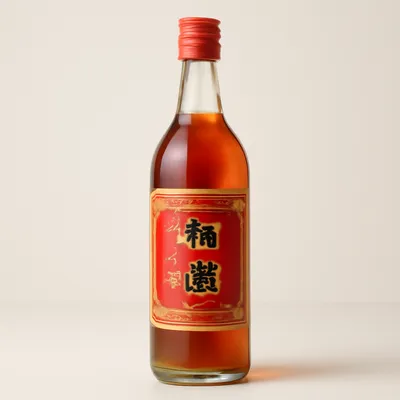
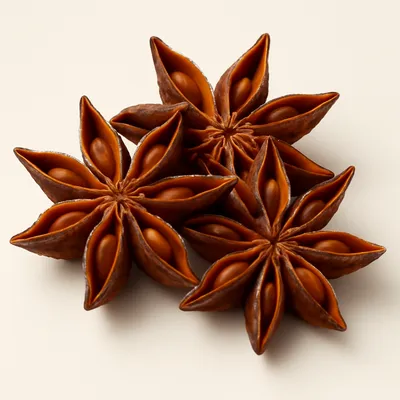
Into the clay crock, layer the blanched trotters, drained pre-soaked yellow soybeans, drained pre-soaked peanuts, sliced fresh ginger, star anise, and bay leaves. Add Shaoxing wine and salt. (Soak the soybeans and peanuts in warm water for at least 2 hours beforehand.)
- 35 min
Pour cold water into the crock until the liquid reaches three-quarters of the vessel's height. Cover the mouth tightly with two layers of foil, pressing firmly against the rim to form a seal, then set the lid in place.
Watch outSeal the crock mouth tight with double foil pressed to the rim — a leaky seal lets steam escape and the trotters never reach that quivering softness.
- 410 min
Sit the sealed crock inside a larger clay vessel half-filled with water. Bring the outer vessel's water to a full boil over high heat, then reduce to a low, steady simmer over charcoal or a low flame.
- 5180 min
Simmer undisturbed for 3 hours. At the 3-hour mark, carefully lift the lid and foil; if liquid inside the crock has fallen below one-quarter of its height, pour in enough boiling water to restore the level. Re-seal tightly with foil and the lid.
Watch outAt the halfway check, top up with boiling water if the level has dropped below a quarter — going dry stalls the collagen melt.
- 6180 min
Continue to simmer for a further 3 hours. Total cooking time is 6 hours from the start of the first simmer.
- 75 min
Remove the crock from the outer vessel. Add soy sauce to taste, stir gently, and ladle the trotters, soybeans, and broth into deep bowls. The skin should be amber and quivering; the bones should slip free with no resistance.
Archive tool suggestions — not reviewed
These legacy suggestions have not been evidence-reviewed and are not presented as required tools.



