Seven hues of glutinous rice, each tinted with a distinct mountain-plant dye and steamed into a sticky, jewel-toned platter; made by Miao women for the Sisters' Festival in Taijiang, this rice doubles as ceremony, love token and communal feast, each colour carrying its own coded meaning for harvest and affection.


The Miao Sisters' Festival of Taijiang County—in Guizhou's Kaili region—is held each year on the 15th to 17th day of the third lunar month. Miao oral tradition records the love story of Ajiao and Jindan: forbidden from speaking openly, they communicated through coloured rice hidden in a bamboo tube—pine needles inside meant rejection, red chili meant ardent longing, fragrant flowers meant reciprocated love. The coloured glutinous rice crystallised into the festival's defining dish and love-language. On 20 May 2006, the State Council listed the Miao Sisters' Festival on China's inaugural national intangible cultural heritage register. The rice is traditionally five-coloured (black, red, yellow, purple, white); in Kaili's contemporary festival presentation it has expanded to seven hues—adding green and blue—each shade drawn from specific plants gathered from the surrounding Miaoling mountains.
Each mound carries its own botanical perfume: the black tastes of earth and ink from nanzhu leaves, the yellow breathes honey from meng flowers, the red holds a faint berry sweetness; all seven merge in the mouth into one warm cloud of sticky sweetness, best eaten by hand, fresh from the steamer.
The seven plant pigments belong to distinct chemical families. Black from nanzhu berry tree (Vaccinium bracteatum) leaves is driven by anthocyanins—pH-sensitive pigments that shift blue in alkaline wood-ash water and red in acid. Yellow from meng flowers (Buddleja officinalis) derives from apigenin and luteolin flavonoids. Blue-purple from red-blue herb (Strobilanthes cusia) contains indirubin precursors; adding plant-ash alkaline water shifts the extract from red-purple toward blue. During the soak, these pigments adsorb onto the surface of starch granules. On steaming, glutinous rice's near-100% amylopectin content gelatinises fully between 70 and 80°C, forming a dense, cohesive gel that locks the colour compounds into the rice structure—explaining why the tints remain bright and fast after cooking.
Variations
The classic five-colour form—black, red, yellow, white, purple—remains the core at Taijiang Shidong's festival grounds. Some villages substitute purple sweet potato juice or butterfly pea flower water for the blue-purple hue. Modern Kaili restaurants serve the rice arranged as a rainbow wheel on a large round platter, accompanied by pickled vegetables, cured pork and sweet glutinous rice wine.
On the Palate
Where Seven-Color Miao Sister Rice sits in the Chinese flavor cloud
Ingredients
Serves 6How it's made
7 steps · 1 hour
- 125 min
Prepare seven dye baths: simmer nanzhu or maple leaves in water 20 minutes for black; steep meng flowers in hot water for yellow; macerate red-blue herb leaves with a pinch of wood ash in hot water for blue-purple; press ripe red berries for red; blend local green herb leaves for green; steep butterfly pea flowers in hot water for blue; reserve plain water for white.
- 2480 min
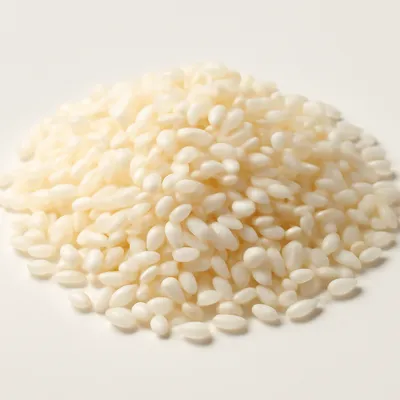
Wash glutinous rice thoroughly; divide into 7 equal portions; submerge each in its colour dye solution and soak for 6–8 hours or overnight until evenly tinted.
Watch outSoak each rice portion in its dye 6–8 hours until evenly tinted right through — a short soak leaves the grains streaky and pale.
- 35 min
Drain each portion; rinse once gently with cold water; grains should be vibrantly and evenly coloured throughout.
- 48 min
Line a large bamboo or wooden steamer basket with damp muslin; arrange the seven colour portions in separate wedge-shaped sectors radiating from the centre.
- 528 min
Bring steamer water to a vigorous boil; steam over high heat for 25–30 minutes until all grains are fully tender and glossy.
Watch outSteam all the colors together until the grains are fully tender and glossy — undercooked rice stays hard-cored and chalky.
- 65 min
Remove from heat and rest covered for 5 minutes.
- 73 min
Lift each muslin section carefully onto a large round serving platter, fanning the seven colours outward into a rainbow arc; serve warm, to be eaten by hand.
Archive tool suggestions — not reviewed
These legacy suggestions have not been evidence-reviewed and are not presented as required tools.


