
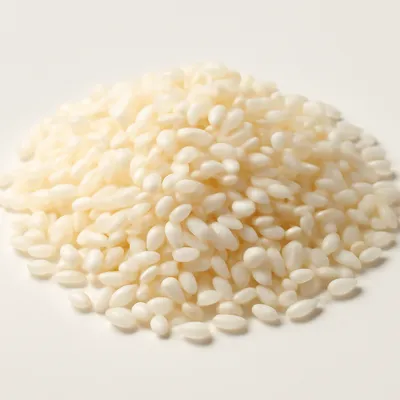
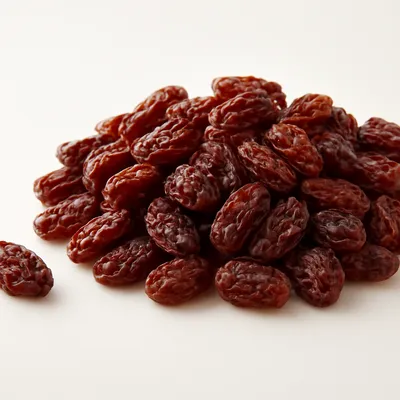
A Dai dish from Xishuangbanna in southern Yunnan, made by steaming sweet glutinous rice inside a hollowed-out pineapple. A ripe pineapple is topped, the flesh scooped out and chopped, and the shell kept as a serving vessel; soaked glutinous rice (often a mix of white and purple/black glutinous rice) is tossed with the pineapple flesh and packed back into the shell, frequently with raisins, shredded coconut, and crushed peanuts. The whole pineapple is then steamed until the rice is soft and has drunk up the fruit's juice, and it is brought to the table still in its shell. Sweet and lightly tart, it is eaten as a staple or as a sweet, and is one of the rice dishes Dai families make for festivals and guests.
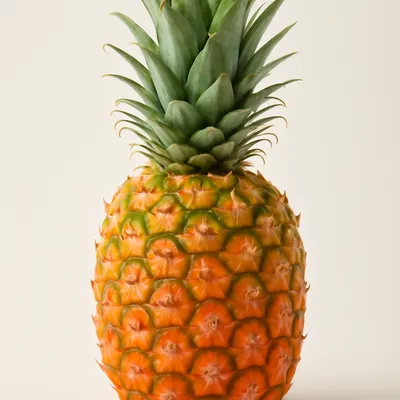


Pineapple rice belongs to the glutinous-rice cookery (糯食) of the Dai people of Xishuangbanna in southern Yunnan, a tropical region where glutinous rice is the everyday staple and pineapples grow abundantly. The dish pairs two local staples — steamed glutinous rice and ripe pineapple — and is served at festivals such as the Water-Splashing Festival and at weddings as well as for everyday eating; its exact origin and date are not recorded. Steaming food inside fruit or bamboo, rather than in metal pots, is characteristic of Dai cooking, and the pineapple shell here serves as both cooking vessel and dish. Modern home versions often relax the all-glutinous rule, mixing in fragrant rice, purple rice, or black rice, and widen the add-ins to nuts and other dried fruit; the lazy method cooks pineapple and rice together in an electric cooker rather than steaming the whole fruit.
Cut open at the table, the rice comes out warm, soft, and faintly chewy from the glutinous grain, stained pale violet where purple rice was mixed in, and glossy with the juice it absorbed during steaming. The sweetness is gentle and comes mostly from the fruit, lifted by the pineapple's bright acidity and the perfume that has steamed up through the whole pot; shredded coconut adds a milky note, raisins pockets of concentrated sweetness, peanuts a little crunch. Done well, the rice is tender and fragrant with fruit all the way to the center and the flesh against the shell has gone soft and jammy. Done badly, the rice is dry and stiff because it was under-soaked or under-steamed, or so wet it turns to mush, and the pineapple stews down to a sour, watery slick.
Glutinous rice is almost pure amylopectin, the branched starch that swells and turns sticky-soft when fully hydrated and steamed, which is why the grains must soak for hours first and are cooked by steaming rather than boiling — steam hydrates them evenly without washing the starch away, giving the dense, chewy texture Dai cooks want. Sealed inside the pineapple shell, the rice steams in a closed pocket of fruit-scented vapor and slowly absorbs the pineapple's juice and aroma instead of plain water. The fruit's tartness is its acids (mainly citric and malic), which balance the rice's sweetness; pineapple also contains bromelain, a protein-cutting enzyme, but the long steam fully denatures it, so the cooked dish does not bite the tongue the way raw pineapple can. A ripe but not over-soft pineapple is chosen so the shell holds its shape through steaming and the flesh is sweet rather than green and sharp.
Variations
The rice base ranges from all-white glutinous rice to a white-and-purple (or black) glutinous blend, the latter giving the violet color and a nuttier grain; some cooks steam the rice in coconut milk or lightly salted water, or perfume it with lemongrass. Add-ins vary by household — coconut shreds, raisins, peanuts, cashews, dried mango, longan, or goji. The dish is one of a broad Dai family of glutinous-rice preparations (糯食) that also includes purple-rice cakes and rice steamed in bamboo tubes (竹筒饭). A common shortcut, the 'lazy' pineapple rice, skips the whole-fruit steam and simply cooks diced pineapple together with the rice in an electric cooker, finishing with the cut-out shell as a bowl.
On the Palate
Where Dai Pineapple Rice sits in the Chinese flavor cloud
Ingredients
Serves 4How it's made
7 steps · 30 min active + 4 hours 10 min waiting
- 1240 min
Rinse the glutinous rice (or a mix of white and purple glutinous rice) and soak it in cold water for at least 4 hours, ideally overnight, then drain.
Watch outSoak until a grain crushes easily between your fingers — under-soaked glutinous rice stays hard and chalky at the core after steaming.
- 28 min
Slice the top off a ripe pineapple and set it aside as a lid; run a knife around the inside and scoop out the flesh, leaving a clean shell about 1 cm thick to use as the steaming vessel.
- 35 min
Chop the scooped pineapple flesh into small pieces, discarding the hard core.
- 45 min
Toss the drained rice with most of the chopped pineapple, the raisins, shredded coconut, and crushed peanuts, plus a little sugar if you like it sweeter.
- 54 min
Pack the rice mixture loosely into the pineapple shell, leaving room for the rice to swell; top with the remaining pineapple and replace the lid.
Watch outPack the rice loosely, not tight — glutinous rice swells a lot, and a crammed shell will burst or cook unevenly.
- 648 min
Stand the filled pineapple in a steamer and steam over high heat for about 40-50 minutes, until the rice is soft and has absorbed the juice.
Watch outIt's done when the top grains are soft-translucent and smell of pineapple juice, not raw starch — poke to the center to check.
- 72 min
Bring the whole pineapple to the table and open it, stirring the rice and fruit together before serving warm.
Archive tool suggestions — not reviewed
These legacy suggestions have not been evidence-reviewed and are not presented as required tools.


