An old Tianjin street snack of tiny steamed rice-flour cakes, sold from a cart with a whistling steam boiler. Damp, sweetened rice flour is loaded into little cups set over jets of steam and cooked in seconds into soft, snow-white cakes the size of a bottle cap, then tipped out and crowned with a smear of sweet bean paste, hawthorn, osmanthus syrup or fruit jam. They are eaten warm, two or three at a time, fluffy and faintly sweet and gone in a bite. Despite the name, there is no pear in them at all — the "li" is a sound, not a fruit.


Shu li gao is a vendor's snack of old Tianjin, made on a small mobile stove fitted with a steam boiler whose nozzles cook the cakes one cup at a time. On the question of the name, the common and most-repeated local explanation is that it has nothing to do with pears (li, the fruit): the "shu li" is said to render the hissing, sliding sound of steam escaping the cooking cups — an onomatopoeia frozen into a name — so the characters for "cooked pear" are a borrowed sound rather than a description of the ingredient, which is rice flour. The snack carries the flavor of bygone Tianjin street life, a treat hawked to children, and survives today as a nostalgic specialty rather than an everyday food.
Each cake is a soft, pale, steaming little disc, barely holding together, that all but melts when it touches your tongue — light and airy, with the gentle sweetness of rice and whatever topping crowns it. The bean-paste smear is mellow and earthy, the hawthorn bright and tart, the osmanthus floral and honeyed; against the plain warm rice cake, the topping does all the talking. There is no chew and no heft — it is a wisp of warmth and sweetness, the kind of thing you eat three of before you notice.
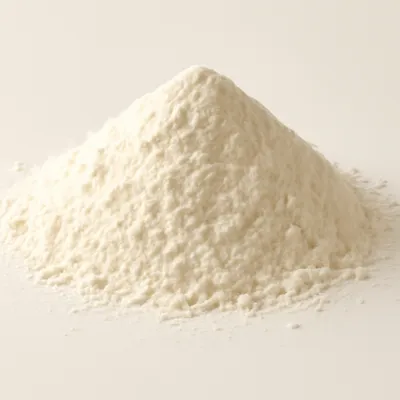
The cake is set by live steam, not by an oven or a water-bath. The rice flour is dampened to a loose, just-clumping crumb — wet enough to steam through but dry enough to stay loose — and packed lightly into a small cup placed over a steam jet; the pressurized steam blasts straight through it and gelatinizes the rice starch in seconds, setting it into a tender, full cake without ever drying or browning it. Because the cooking is so fast and so wet, the crumb stays exceptionally soft and pale. The toppings are added only after, off the heat, so their flavors stay fresh and distinct — the snack is really a warm, neutral rice cushion built to carry a sweet smear.
Variations
The toppings are the variable: red bean paste, hawthorn paste, osmanthus or rose syrup, white sugar, sesame, fruit jams and the like, often a row of them so customers can choose or mix. The rice flour is sometimes cut with a little glutinous rice flour for a stickier crumb, or lightly pre-sweetened. The defining apparatus is the steam-jet cup; without it, home versions steam the rice flour in small molds and approximate the texture but lose the few-second, made-to-order theatre of the cart.
On the Palate
Where Shu Li Gao sits in the Chinese flavor cloud
Ingredients
Serves 4How it's made
8 steps · 20 min active + 10 min waiting
- 16 min
Dampen rice flour with a little sweetened water and rub it into a loose, evenly moist crumb that just clumps when pressed.
Watch outRub the rice flour to a loose, just-clumping crumb — wet enough to steam through, dry enough to stay loose; packed too wet it steams up dense.
- 23 min
Rest the crumb briefly, then pass it through a coarse sieve so it stays light and lump-free.
- 32 min
Pack the crumb loosely into a small steam cup — never compressed.
Watch outPack the crumb into the cup loosely, never compressed — the steam has to blast straight through, and a tight pack blocks it.
- 41 min
Set the cup over a strong jet of steam (or in a steamer fitted to mimic it).
- 51 min
Steam only seconds, until the cake turns from powdery to set, soft and snow-white.
Watch outIt steams in seconds — pull it the instant it goes from powdery to set and snow-white; a beat too long and it dries out.
- 61 min
Tip the finished cake out onto a paper or small dish.
- 71 min
Crown at once with a smear of bean paste, hawthorn, osmanthus syrup or fruit jam, off the heat.
- 81 min
Serve warm, two or three to a portion, eaten straight away while soft.
Archive tool suggestions — not reviewed
These legacy suggestions have not been evidence-reviewed and are not presented as required tools.


