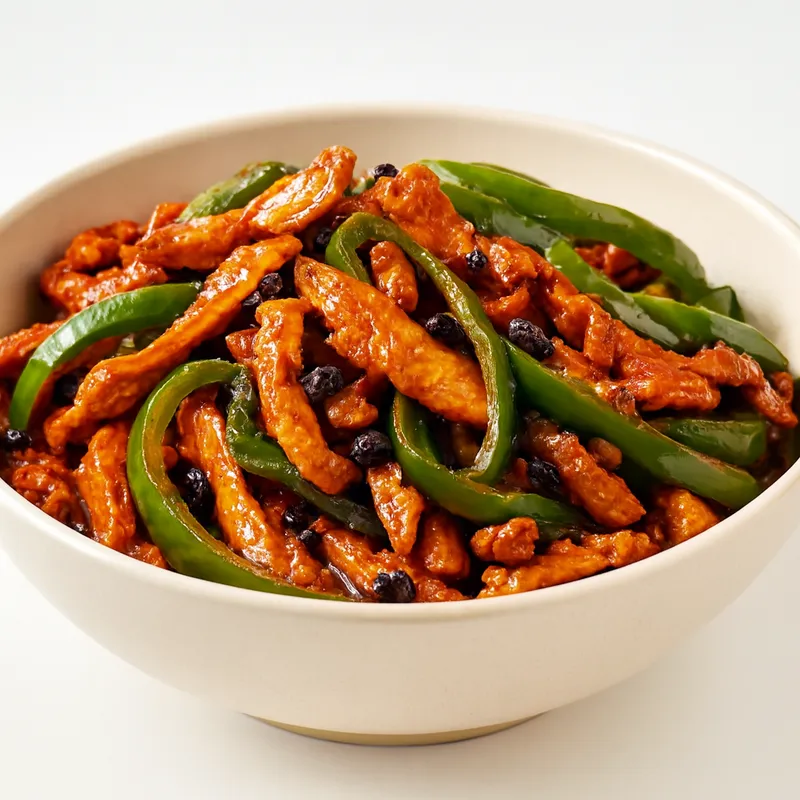
A green glutinous-rice dumpling whose grass-scented, soft-chewy skin closes over a savory filling of crumbly salted egg yolk and fluffy pork floss. The skin is tinted and perfumed with the juice of mugwort or wheat-grass, and the sweet, sticky wrapper plays against a salty, sandy, faintly oil-flushed center. Traditionally a Qingming festival food filled with sweet bean paste, qingtuan was reinvented in 2016 around this salted-yolk-and-floss filling and went national as a sold-out craze. Best steamed warm, eaten the same day, since the skin hardens once cold.


Qingtuan is an old Jiangnan festival food of Qingming and the Cold Food Festival, when the ban on lighting fires made cold, keeping foods like these green rice cakes the dish of the day; in Jiangsu and Zhejiang they doubled as ancestral offerings, classically filled with sweet red-bean or lotus-seed paste. The savory turn is recent and well documented: in spring 2016 the Shanghai old-house brand Xinghualou swapped the traditional bean paste for a filling of salted egg yolk and pork floss, and the new flavor ignited. Buyers queued for hours outside the shop, purchases were capped at five boxes a head, and scalpers resold them at a steep markup. The sweet-savory novelty, amplified by food bloggers and queue coverage, turned a regional Qingming snack into a nationwide phenomenon, and rival houses like Shen Dacheng, Wang Jiasha, Xinya and Hema rushed out their own versions.
The skin is a pale jade green that smells of cut grass before you bite; it is soft, sticky and faintly springy, more dessert than the firmer old-style wrapper. Break it open and the filling is the point: salted duck yolk gone crumbly and sandy, edged with a little released oil, bound up with fluffy, salty-sweet strands of pork floss. The sweet glutinous skin and the salty center pull against each other in the same mouthful. Steam it warm and the skin slumps softly around the filling; let it sit cold and the whole thing stiffens.
The wrapper is built on glutinous rice flour, whose starch is almost all amylopectin: its branched chains swell and gelatinize on steaming into a soft, sticky, translucent dough. As it cools the chains re-order into a tighter structure, a staling called retrogradation, which is why a cold qingtuan goes hard and has to be re-steamed to soften. The green color and scent come from mugwort or wheat-grass juice, traditionally treated with a little food-grade alkali so the chlorophyll converts to a more stable, vivid green. The salted yolk earns its sandy, oil-flushed texture from curing: salt drawn into the yolk denatures its proteins and breaks the fat-protein emulsion, so the fat coalesces into visible droplets while the solids draw tight into crumbly granules, an effect that intensifies on cooking.
Variations
The classic fillings stay sweet, red-bean or lotus-seed paste; the breakout is this salted-yolk-and-floss version, which set off a flood of internet flavors. Custard lava (liuxin), purple sweet potato, matcha, durian and even a Luosifen (snail-noodle) qingtuan now crowd the season. Brands stake out turf: Xinghualou tints its skin with wheat-grass juice while Zhiweiguan uses mugwort, Xinya leans into savory fillings like cured-pork-and-bamboo, and Hema fields the loudest novelties.
On the Palate
Where Salted-Yolk Pork-Floss Qingtuan sits in the Chinese flavor cloud
Ingredients
Serves 6How it's made
6 steps · 50 min active + 40 min waiting
- 110 min
Wash mugwort or wheat-grass, blanch briefly, then blend with a little water and strain to get a bright green juice.
- 210 min
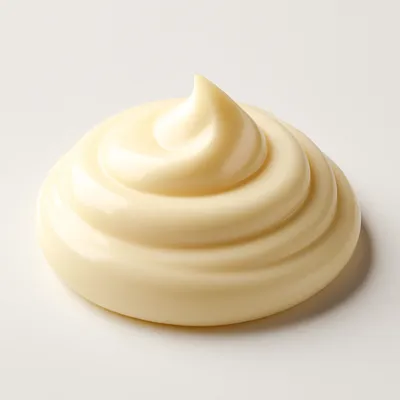
Mix the salted egg yolks (steamed and mashed) with pork floss and a spoon of mayonnaise or melted butter into a moist, holdable filling; roll into balls.
- 310 min
Combine glutinous rice flour with a little wheat starch, sugar and the green juice, kneading into a smooth, soft dough.
- 410 min
Divide the dough, flatten each piece, wrap around a ball of filling and seal into a smooth round.
- 515 min
Line a steamer, set the qingtuan apart so they do not stick, and steam over high heat until the skin turns translucent.
Watch outSteam over high heat only until the skin goes from matte green to translucent — that's the doneness signal; keep space between them or they fuse.
- 65 min
Brush the steamed skins lightly with oil to keep them glossy and soft, and eat warm.
Watch outBrush a thin film of oil on the moment they come out — it keeps them glossy and soft, and stops the cooling skin from drying and hardening.
Archive tool suggestions — not reviewed
These legacy suggestions have not been evidence-reviewed and are not presented as required tools.