
Whole Li River carp pan-fried then braised in beer with tomato, garlic, ginger, dried chili, and fermented black bean — a 1980s tourist-spawned dish that became Guangxi's modern emblem.




Invented in the 1980s in Yangshuo (a town near Guilin, Guangxi) — local restaurants began catering to the tourist boom along the Li River and needed a memorable dish. The combination of beer (then a novel ingredient in Chinese cooking) plus local fish and tomato was a hit. Liquan Brewery's Yangshuo plant supplied the beer; the dish helped the Yangshuo tourist economy and the brewery in equal measure. Now it's in Guangxi's modern canon, though it post-dates most regional Chinese dishes by a millennium.
1980s Yangshuo, near Guilin — local restaurants needed a memorable dish for Li River tourist boom. Liquan Brewery's Yangshuo plant supplied the beer. The hops aren't decorative — alcohol denatures the surface protein, hop bitterness balances tomato sugar. Without douchi the sauce reads thin.
A whole golden-fried fish swimming in a glossy beer-tomato sauce, fragrant with fermented black bean. The flesh is silky, the skin slightly crisp, the sauce sweet-sour-malty with chili heat at the back. The local rule: tear meat from the bone with chopsticks, dunk in the sauce, eat with rice. Don't drink the sauce on its own — it's too concentrated; spoon it over rice.
Beer's role isn't decorative — its alcohol denatures fish protein at the surface during the braise, giving a texture neither pure stock nor wine produces. Hops contribute bitterness that balances the tomato's sugar. Liquan (or any pilsner-style lager) is preferred over wheat beer because the bitterness profile is cleaner. The fermented black bean (douchi) is the umami spine — without it, the sauce tastes thin and one-dimensional, like a tomato-beer reduction. Most home cooks under-bean and the dish goes flat.
Variations
Yangshuo original uses Liquan pilsner and local Li River fish; Guilin city versions add more chili; Guangzhou adaptations sub in tilapia and use Tsingtao; modern restaurants increasingly run craft IPAs, which tip the bitterness too far.
On the Palate
Where Yangshuo Beer Fish sits in the Chinese flavor cloud
Fermented black bean (douchi) is the umami spine — under-bean it and the sauce reads thin, like a plain tomato-beer reduction; the beer denatures the fish surface for its signature texture while its hop bitterness balances the tomato's sweetness.
Ingredients
Serves 3






How it's made
5 steps · 30 min active + 10 min waiting
- 112 min
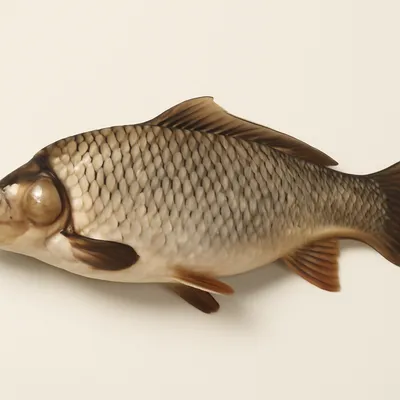
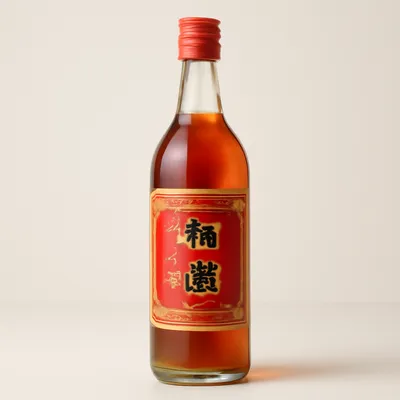
Score a 1kg whole Li River carp (or grass carp) on both sides at 2cm intervals. Rub with salt and Shaoxing wine. Let stand 10 minutes.
- 28 min
Heat oil in a wok over high heat. Pan-fry the fish 4 minutes per side until golden. Move to a dry plate.
Watch outFry each side four minutes to a firm golden crust — don't move the fish early or the skin tears.
- 33 min
In the same wok with leftover oil, sauté minced garlic, ginger, dried red chili, fermented black bean (douchi), and tomato wedges. When tomato breaks down, about 3 minutes.
Watch outSauté the aromatics and douchi until fragrant and the tomato just breaks down and releases its juice.
- 410 min
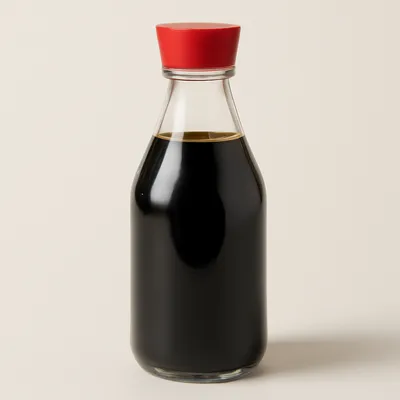
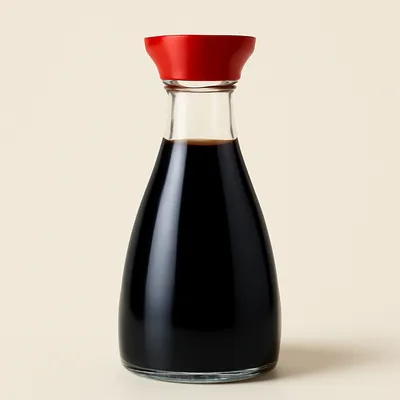
Pour in 500ml local Liquan beer (or any pilsner — but Liquan is the Yangshuo tradition). Add light soy, dark soy, sugar, and the fish. Simmer covered 10 minutes, ladling sauce over the fish midway.
Watch outMake sure the fish is submerged in the liquid for even cooking.
- 53 min
Uncover. Reduce sauce 3 more minutes until it coats the back of a spoon. Plate the fish whole, pour sauce over, garnish with cilantro and scallion green. Serve with rice.
Watch outUncover and reduce until the sauce coats the back of a spoon; that gloss is when it's ready to plate.


