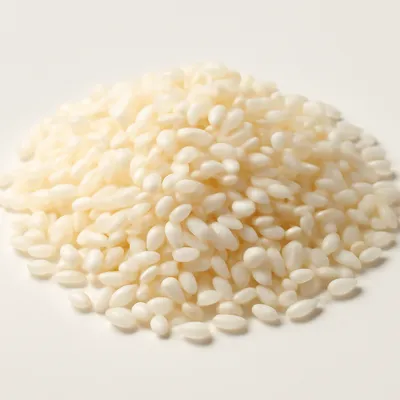
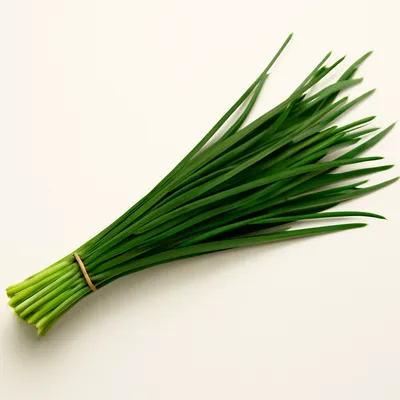
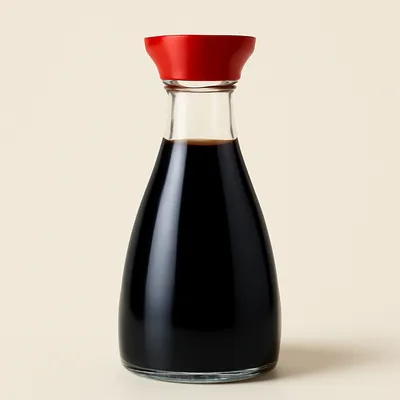
Guangyuan's Empress Steamed Cold Noodles — also called Husband-and-Wife Rice Cold Noodles — is a street snack built entirely from local long-grain rice with no wheat flour. The rice is soaked overnight, ground into a fine slurry, steamed flat in cloth-lined bamboo trays, and cooled into glossy semi-translucent sheets before being cut into broad silky strips. Dressed with house-made chili oil, garlic water, soy sauce, rice vinegar, and freshly ground Sichuan peppercorn, and crowned with bean sprouts, crushed peanuts, and Chinese chives, the dish delivers five simultaneous flavors: sour, sweet, numbing, spicy, and fragrant. It is the canonical morning snack of Guangyuan and was inscribed on Sichuan Province's intangible cultural heritage list in 2023.



Guangyuan sits on the Jialing River at the northern edge of the Sichuan basin and is the documented birthplace of Wu Zetian (624–705 AD), China's only female emperor. A folk legend holds that Wu, then known as Wu Meiniang, used to visit a noodle stall by the riverside as a young girl and, together with her companion and the shopkeeper, experimented with rice slurry to make a cool summer noodle — the shop owner dubbed it 'husband-and-wife rice cold noodles.' After ascending the throne she reportedly requested the dish every birthday, and local people gradually renamed it 'the empress's steamed cold noodles.' The legend is folkloric and cannot be historically verified. Local records show that rice cold noodles were already a recognized market snack along the Jialing River by the late Qing dynasty; the preparation method has been handed down largely intact since then and was formally inscribed on Sichuan Province's intangible cultural heritage list in 2023.
The rice strips are semi-translucent and soft, each strand already coated in sauce before it reaches the bowl. Sour comes first — sharp rice vinegar — then the sweet-savory depth of soy, then a round punch of garlic water. Sichuan peppercorn spreads a quiet buzz along the lip before the chili oil's heat arrives, unhurried. Bean sprouts add cool crunch, peanuts bring roasted fragrance, chives trail a grassy note. Best at breakfast on a clear stomach, with a bowl of warm rice porridge to close.
The texture of the rice strips turns on the starch chemistry of long-grain indica rice (籼米), which is high in linear amylose — it gelatinizes readily during steaming and then partially retrogrades on cooling, producing sheets that are soft and cohesive without turning mushy. A small proportion of glutinous rice (糯米), which is nearly all branched amylopectin, adds extra springiness so the strips survive tossing without breaking. The slurry must be ground very fine; coarse particles leave a sandy finish. Layer depth is critical: 2–3 mm is the working range — thicker and the center undercooks, thinner and the sheet tears on removal. High uninterrupted heat is essential; the sheet is ready when it shifts from milky white to translucent, signaling full gelatinization. Garlic is steeped in boiling water rather than used raw, which removes the harsh sulfurous edge while preserving the sweet aromatics. Sichuan peppercorn must be ground fresh — the compound hydroxy-alpha-sanshool that fires the lip's vibration receptors dissipates within days of grinding.
Variations
Two serving styles coexist in Guangyuan: the cold-tossed version arrives at room temperature dressed with the five-flavor sauce; the hot version (烫凉面) submerges the same rice strips in freshly simmered chicken, beef-bone, or pork-intestine broth and serves them steaming — ideal in winter. Each vendor's house-made chili oil is the local differentiator, varying in chili variety, infusion temperature, and spice blend. Out-of-province versions often substitute fresh rice-flour noodles (河粉), which are thicker and lack the specific starchy sweetness of the Guangyuan original. In recent years a hot-pot variation has appeared, using the cut strips as the noodle component in a broth-based individual pot.
On the Palate
Where Empress Steamed Cold Noodles sits in the Chinese flavor cloud
Ingredients
Serves 2


How it's made
8 steps · 55 min active + 8 hours waiting
- 1480 min
Rinse 300 g long-grain rice and 30 g glutinous rice together; soak in cold water for 8–12 hours (overnight is best) until the grains crush easily between fingers.
- 210 min
Drain the soaked rice; blend in batches with just enough cold water to keep the blender moving until the slurry is completely smooth and pourable, roughly the consistency of heavy cream. Adding a tablespoon of plain cooked rice to the final batch helps the finished sheets hold together.
Watch outBlend until the slurry ribbons off the spatula smooth as heavy cream — any grittiness left now means a sandy finish in the sheets.
- 35 min
Line a flat-bottomed metal plate or bamboo steaming tray with a single layer of damp cotton cloth; brush generously with vegetable oil. Bring the steamer water to a rolling boil over high heat.
- 415 min
Ladle enough slurry into the prepared tray to form a 2–3 mm layer, swirling to spread evenly. Cover and steam on maximum heat for 5–7 minutes until the sheet turns from milky white to translucent.
Watch outSteam only until the sheet flips from milky white to translucent — that color change is the doneness signal; pull it early and it tears, late and it toughens.
- 510 min
Lift one edge with a spatula and carefully peel the cooked sheet from the cloth; lay it on an oiled board and immediately brush the top surface with vegetable oil to prevent sticking. Repeat with the remaining slurry. Allow all sheets to cool completely to room temperature.
Watch outBrush oil on the hot sheet the instant you peel it — miss the window and the sheets glue into one block you can't cut.
- 65 min
Stack two cooled sheets together, fold in half, and cut across into strips about 1 cm wide with a sharp cleaver. Repeat with the remaining sheets.
- 75 min
Blanch bean sprouts in boiling water for 30 seconds; drain. Steep minced garlic in 3 tablespoons of boiling water for 2 minutes to make garlic water. Combine soy sauce, rice vinegar, chili oil, garlic water, ground Sichuan peppercorn, and salt to taste into a sauce.
- 85 min
Toss the rice strips gently but thoroughly in the sauce until every strand is coated. Divide into bowls; top with bean sprouts, Chinese chives, and crushed peanuts. Serve immediately.
Archive tool suggestions — not reviewed
These legacy suggestions have not been evidence-reviewed and are not presented as required tools.


