A Hanzhong specialty from the rice country of southern Shaanxi: long-grain rice is soaked, ground to a smooth slurry, and steamed into silky, tender sheets that are brushed with rapeseed oil and cut into wide ribbons. Despite the "mianpi" (flour-skin) in its name, it is made from rice, not wheat — soft and slippery rather than the cool, springy gluten of Liangpi. It is dressed with garlic water, vinegar, soy sauce, and a fragrant chili oil, and is often eaten warm straight from the steamer. Locals pair it at breakfast with a bowl of caidoufu, a loose vegetable-and-tofu curd.
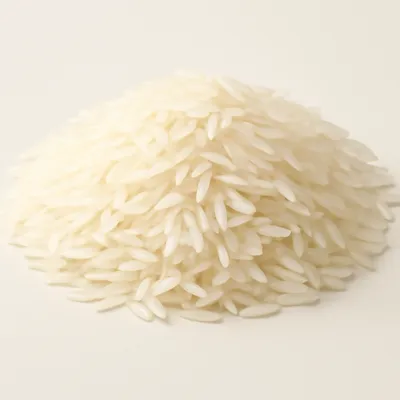
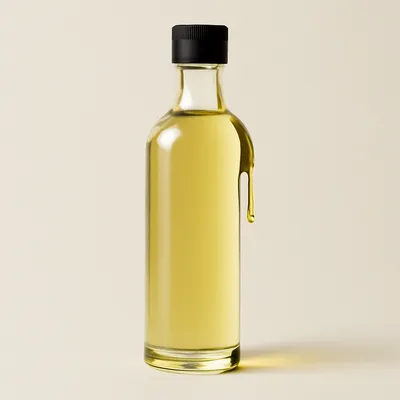




Hanzhong sits in the Han River valley of southern Shaanxi, a warm, wet basin that has grown paddy rice since antiquity, which is why this "flour skin" is in fact a rice food. Folklore ties it to the Qin–Han era and to Liu Bang, who was made King of Han here, but such tales are legend rather than record. The puzzling name is better explained by language: in the old Hanzhong dialect any very fine powder — rice flour included — was called "mian," and after the 1950s script reform the characters for "noodle/flour" and "face/surface" were merged into one form, so the rice sheet kept the written name mianpi. Whatever the etymology, the dish is firmly a Hanzhong institution, eaten daily for breakfast across the city and its counties.
The sheet is soft and slippery, almost trembling, with a gentle springiness that yields the instant you bite — tender and waxy, never the chewy snap of wheat Liangpi. Eaten warm, it carries the clean sweetness of steamed rice underneath the dressing. Garlic water and vinegar cut sharp and bright, while the chili oil floods in fragrant and warming rather than merely hot. Bean sprouts or shredded potato beneath add a cool crunch against the soft ribbons.
Texture is built at the slurry stage. Soaking the rice eight to ten hours fully hydrates the starch granules so they grind into a fine, even paste; the wetter, lower-gluten rice batter is what gives the sheet its soft, slippery body rather than the chew of wheat. Many cooks scald the slurry with near-boiling water and stir before steaming, pre-gelatinizing some of the starch so the sheet sets supple and does not crack. A ladle of batter spread thin over an oiled cloth steams through in a minute or two over hard-boiling water — you watch for the surface to dome and go glossy. Brushing the hot sheet with rapeseed oil keeps the stacked layers from fusing, and the chili oil is rendered slowly so the spice steeps in fragrance, not just heat.
Variations
Hanzhong mianpi splits into a rice version (mi-mianpi) and a wheat version (mian-mianpi); the rice one is the classic. The hot, just-steamed style (re-mipi) is most beloved, though it is also served cool-dressed in summer. Some makers griddle or roll the sheet instead of slicing it flat. The near-universal partner is caidoufu, the soft tofu-and-greens curd, and toppings range over mung bean sprouts, shredded potato, cucumber, and carrot.
On the Palate
Where Hanzhong Rice Skin sits in the Chinese flavor cloud
Ingredients
Serves 4

How it's made
8 steps · 30 min
- 1600 min
Rinse long-grain rice until the water runs clear, then soak 8–10 hours until a grain crushes easily between two fingers.
Watch outSoak the rice until a grain crushes to paste between two fingers — under-soaked rice grinds coarse and the sheet turns out rough.
- 215 min
Drain and grind the rice with fresh water into a smooth, pourable slurry; strain if needed, season lightly with salt.
- 310 min
Scald the slurry by stirring in near-boiling water until it stabilizes around 45°C and thickens slightly, then thin back with cool water to a thin-cream consistency.
- 45 min
Lay a wet cloth in a steamer tray, brush with rapeseed oil, and ladle on a thin, even layer of slurry, tilting to spread it round.
- 54 min
Steam over hard-boiling water 1–2 minutes until the surface domes and turns glossy; lift out, peel off the sheet, and brush it with oil.
Watch outSteam the thin layer 1–2 minutes until the surface domes and turns glossy — that dome is the signal it's set; peel it while hot.
- 65 min
Stack the cooled sheets and slice into wide ribbons about 1.5–2 cm across.
- 710 min
Render the chili oil: pour hot rapeseed oil over ground chili with Sichuan pepper and spices, in stages, and let it steep.
Watch outPour the hot oil over the chili in stages, not all at once — one big splash scorches it black and bitter instead of red and fragrant.
- 85 min
Toss the ribbons with garlic water, vinegar, soy sauce, salt, and chili oil over a bed of bean sprouts or shredded potato; serve warm with caidoufu.
Archive tool suggestions — not reviewed
These legacy suggestions have not been evidence-reviewed and are not presented as required tools.


