Thick slices of pork belly are marinated in five-spice, soy and rice wine, then tumbled in freshly toasted rice flour until fully coated, layered over sweet potato, and steamed for a full hour. The flour absorbs every drop of rendered fat and becomes golden and unctuous; the meat below tears without resistance. A pillar of Hakka mountain-village cooking across Minxi and the wider Hakka diaspora.

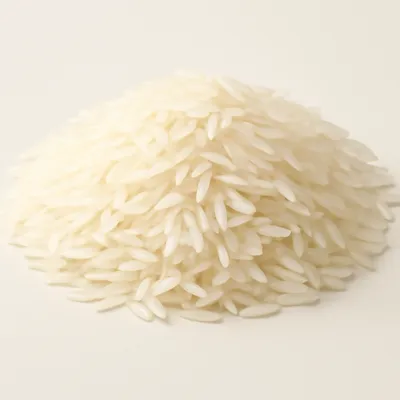
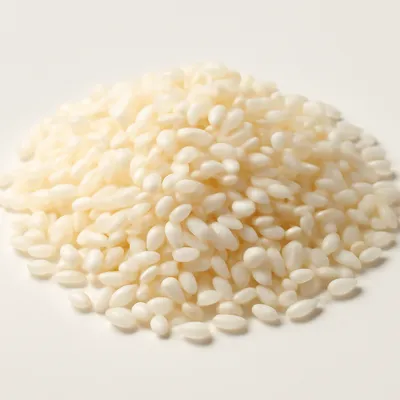
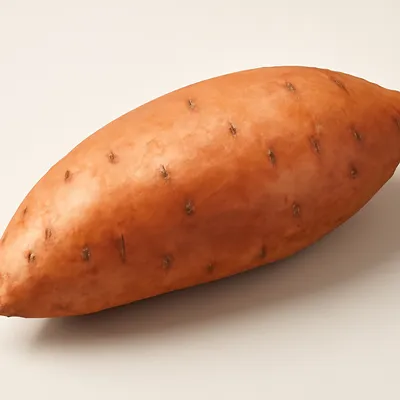


Steamed pork with rice flour has a documented history spanning at least two centuries in southern China: Qing scholar Yuan Mei records a rice-flour-coated steamed pork preparation in his culinary compendium Suiyuan Shidan (《随园食单》, first published in 1792), situating it within southern Chinese cooking. The Hakka people — who migrated from the central plains through multiple southward waves beginning in the Jin dynasty — carried this steaming tradition into the mountain valleys of western Fujian (Minxi), where they adapted the dish with locally grown mountain sweet potatoes as the steaming base. The sweet potato absorbs falling drips of pork fat throughout the hour-long steam, yielding a 'second dish in one pot' — a mark of frugal mountain-household ingenuity that made the most of precious pork.
The flour coating is grainy and slightly golden at the edges, suffused with glistening rendered fat; each pork slice tears without resistance, trailing five-spice fragrance and a deep sticky sweetness; the sweet potato at the base is honey-soft and carries a film of rich sauce that makes it almost better than the meat.
Toasting rice (with a small proportion of glutinous rice) before grinding creates a coarser flour with partially gelatinised starch granules. During the hour-long steam, intramuscular fat liquefies at 40–50°C and is progressively absorbed by the starch granules, producing a coating that is fatty, grainy and cohesive rather than gluey. The five-spice compounds — primarily trans-anethole (star anise), eugenol (cloves) and cinnamaldehyde (cinnamon) — are all fat-soluble; the flour-fat matrix drives them directly into each pork fibre, delivering a depth of spice penetration impossible to achieve through water-based marinading alone. Steam at 100°C provides even, pressureless heat that slowly hydrolyses collagen over 60 minutes, rendering the fibres meltingly tender without toughening the lean muscle.
Variations
Western Fujian Hakka uses sweet potato as the steaming base; Hunan uses taro (imparting a floral starchiness); Jiangxi favours lotus root (firm and slightly astringent). Spicy versions add chilli bean paste to the marinade. A richer variant substitutes part of the marinade with fermented rice mash (酒酿) for faint sweetness.
On the Palate
Where Hakka Steamed Pork with Rice Flour sits in the Chinese flavor cloud
Ingredients
Serves 4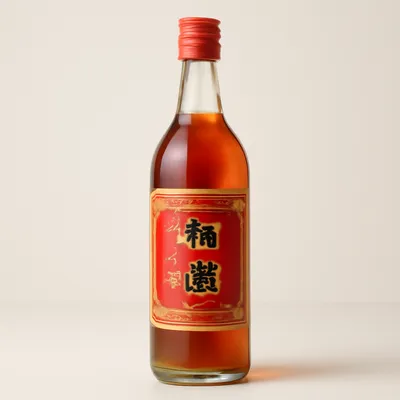
How it's made
7 steps · 30 min
- 115 min
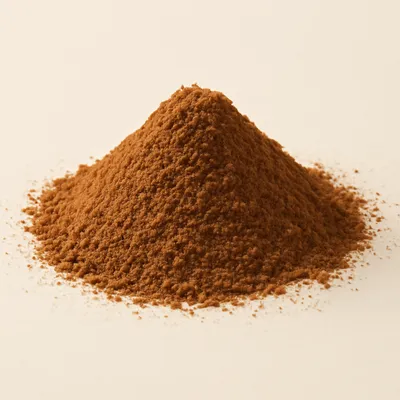
Toast rice and glutinous rice (4:1 ratio) in a dry wok over medium heat, stirring constantly, until pale golden and fragrant; cool and grind coarsely — grains should remain visible, not a fine powder.
Watch outToast and grind the rice coarse, keeping the grains visible — too fine a flour turns the coating gluey instead of grainy and fat-soaked.
- 220 min
Cut pork belly into slices about 5mm thick; combine with soy sauce, dark soy, Shaoxing wine, five-spice powder and a little sugar; mix well and marinate for 20 minutes.
- 35 min
Add the toasted rice flour to the marinated pork and toss until every slice is evenly coated and slightly glistening with the marinade.
- 45 min
Peel sweet potato and cut into 2 cm chunks; arrange in a single layer across the base of a heatproof bowl or bamboo steamer.
- 55 min
Lay the floured pork slices skin-side down on top of the sweet potato, overlapping slightly.
- 660 min
Steam over high heat for 60 minutes; check water level at 30 minutes and replenish with boiling water; do not lift the lid during the first 40 minutes.
Watch outSteam a full 60 minutes, topping up boiling water, without lifting the lid early — the long moist heat is what melts the fat into the flour and makes it meltingly tender.
- 72 min
Invert the bowl onto a serving plate so sweet potato faces up; garnish with sliced scallion and serve immediately.
Archive tool suggestions — not reviewed
These legacy suggestions have not been evidence-reviewed and are not presented as required tools.


