A centerpiece of Gannan Hakka banquet tables: thick-cut pork belly dusted in spiced five-grain rice flour and wrapped tightly in dried lotus leaves, then steamed low-and-slow until the meat yields completely and the leaf perfume saturates every layer. Traditionally folded into a scholar's cap or gold ingot shape, the dish carries wishes for fortune and advancement.



By local tradition, this dish was created in 1778 when Dai Quheng, a native of Nan'an Prefecture (present-day Nankang area), achieved the highest rank in the imperial examinations. His family hosted a celebratory banquet and the cook wrapped portions of spiced steamed pork in lotus leaves so guests could carry some home for elderly relatives who had not attended. The distinctive scholar's-cap fold earned it the nickname 'Champion Meat' (状元肉). The preparation spread across Gannan Hakka communities as a required dish for weddings, funerals, and seasonal festivals, always served as the first and most honored bowl. It has been registered as a Ganzhou Municipal Intangible Cultural Heritage.
Peel back the lotus leaf and a cloud of grassy steam rises; the pork beneath has collapsed into deep amber softness, each slice coated in a sticky spiced crust that carries faint notes of anise and forest floor. The glutinous rice has turned translucent and clingy, bridging the gap between the meat's richness and the leaf's cool, vegetal fragrance.
Three-plus hours of steaming drives the pork's internal temperature well above 85 °C, converting the collagen in connective tissue to gelatin that lubricates every muscle fiber. The glutinous rice coating gelatinizes as amylopectin starch granules swell and fuse, creating a cohesive sticky shell that locks in the meat juices. Dried lotus leaves, softened by steam, release nuciferine and flavonoid volatiles — particularly quercetin glycosides — that diffuse into the surface fat layer, producing the dish's signature cool, grassy fragrance.
Variations
In the Zhanggong and Yudu districts the same spiced pork is steamed in an inverted bowl without any lotus wrap, so the rice-flour fragrance dominates over the leaf. Some families layer taro or sweet potato under the meat to absorb the rendered drippings. Modern Nankang versions add a red date on top of each packet for colour and sweetness.
On the Palate
Where Nankang Lotus-Leaf Wrapped Pork sits in the Chinese flavor cloud
Ingredients
Serves 4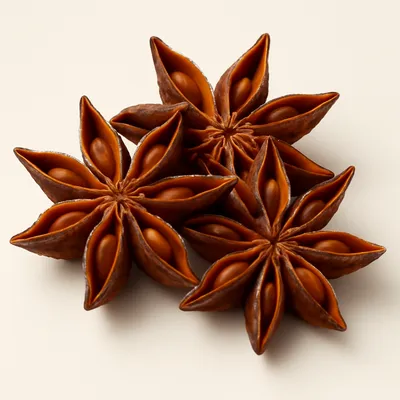
How it's made
8 steps · 1 hour 30 min
- 115 min
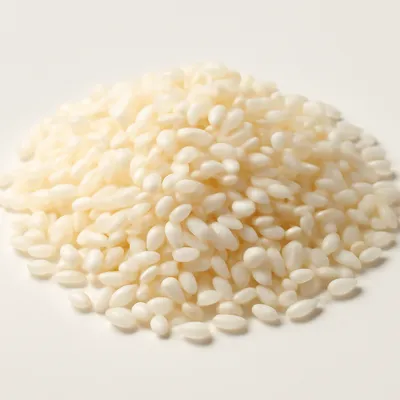
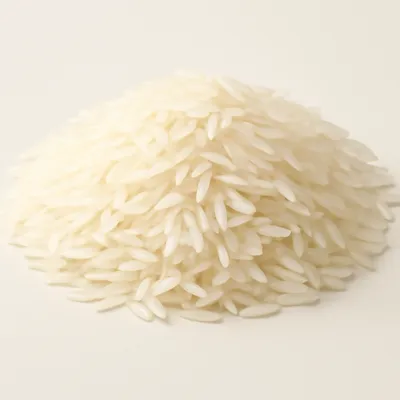
The day before: soak 100 g glutinous rice and 50 g regular rice in cold water overnight. On cooking day, drain and spread on a paper towel to dry briefly, then toast in a dry wok over medium heat, stirring constantly, until the grains are golden and fragrant, about 10 minutes.
Watch outToast the drained rice until the grains are golden and smell nutty — pale, under-toasted rice gives the coating no fragrance and a raw, pasty taste.
- 25 min
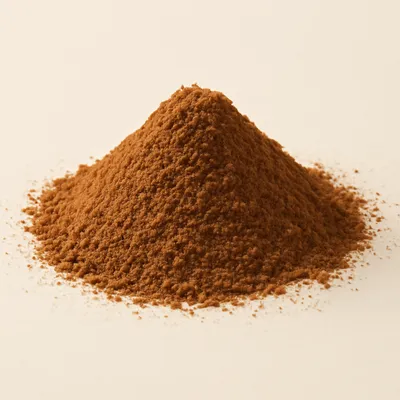
Add 2 star anise, 1 tsp five-spice powder and 1 tsp white pepper to the toasted rice; grind together in a spice grinder or with a pestle into a coarse, sandy flour. Set aside.
- 365 min
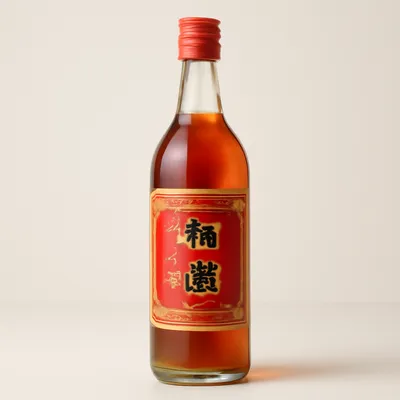
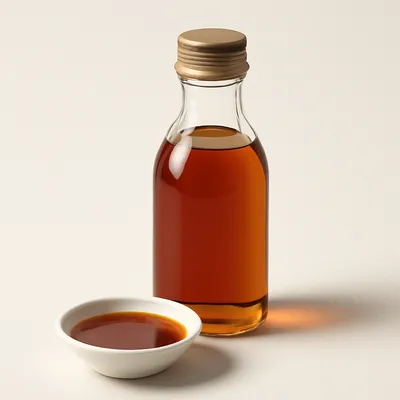
Cut 800 g pork belly into 60 g pieces roughly 5 cm × 5 cm. Combine in a bowl with 3 tbsp soy sauce, 2 tbsp Shaoxing wine, 1 tbsp sesame oil, 1 tsp salt and 1 tsp sugar; toss well and marinate at room temperature for at least 1 hour, turning occasionally.
- 420 min
Soak 8 large dried lotus leaves in a basin of hot water for 20 minutes until pliable; wipe dry and trim each leaf into two fan-shaped sections large enough to fully enclose one meat chunk.
- 55 min
Roll each pork piece generously in the spiced rice flour so every surface is evenly coated.
Watch outRoll each pork chunk generously so every face is coated — bare spots leak juice and the shell won't seal.
- 610 min
Place one floured pork chunk in the centre of a lotus leaf section; fold the leaf over and tuck in the sides, shaping the bundle into a triangular scholar's-cap form. Secure firmly with kitchen twine. Repeat with remaining pieces.
- 7150 min
Arrange the packets seam-side up in a large bamboo steamer. Bring water in a wok to a vigorous boil, set the steamer over it, and steam on high heat for 30 minutes, then reduce to medium-low heat and continue steaming for a further 2 to 2.5 hours, replenishing with boiling water as needed.
Watch outKeep the water topped up with boiling water through the long steam — if the pot runs dry the collagen never melts and the meat stays tough.
- 85 min
Remove packets from the steamer and rest for 5 minutes. Serve still wrapped; each guest opens their own at the table.
Archive tool suggestions — not reviewed
These legacy suggestions have not been evidence-reviewed and are not presented as required tools.


