A medicinal stew from the foothills of Mount Hengshan: highland lamb and thick pieces of Hunyuan astragalus root simmered for two hours in a clay pot until the broth turns golden, viscous, and deeply herbal. This is Shanxi's most celebrated 药膳 dish — warm medicine in a bowl.




Hunyuan County, in the shadow of Mount Hengshan, has prized and produced Astragalus membranaceus for at least four centuries. The county's sandy loam soil, altitude between 1700-2400 metres, cool climate, and large diurnal temperature swings create conditions regarded as ideal for astragalus, and Hunyuan root has long been considered among the finest in China. The pairing of astragalus with lamb reflects the Shanxi medicinal cuisine (药膳) tradition, translating the classical pharmacopoeia into everyday cooking: classical herbals classify astragalus as sweet and mildly warming, tonifying the spleen and lung, while lamb is warm-natured and nourishing — a natural pairing for cold winters and mountain living. The dish appears on the official list of Shanxi Ten Classic Dishes and remains central to Hunyuan festive gatherings.
The lamb falls apart with the lightest pressure, its natural sweetness deepened by the long simmer, while the golden broth coats the lips with mild herbal warmth. Astragalus imparts no detectable bitterness — only a faint, clean earthiness that makes the lamb taste more purely of itself.
Astragalus root contains three main bioactive compound families: polysaccharides, saponins (notably astragaloside IV), and isoflavonoids (calycosin, formononetin). Research shows that astragalus polysaccharides reach maximum extraction after 60 minutes of simmering above 90°C, while saponins are released more slowly — which is why the recipe demands a full two hours: shorter cooking extracts primarily polysaccharides; extended stewing releases the full saponin complement with its anti-inflammatory and immune-modulating properties. Meanwhile, collagen in bone-in lamb hydrolyzes progressively to gelatin, creating the broth's characteristic viscosity. The gentle, sustained Maillard reaction between released amino acids and lamb sugars in the low-heat environment produces the broth's golden color and nuanced herbal savoriness.
Variations
A Hunyuan variant adds angelica root (当归) for deeper blood-tonifying effect; winter versions include chestnuts for sweetness and starch; the leftover broth is commonly reheated the next day with fresh ginger and taken as a medicinal tonic.
On the Palate
Where Astragalus Slow-Stewed Lamb sits in the Chinese flavor cloud
Ingredients
Serves 4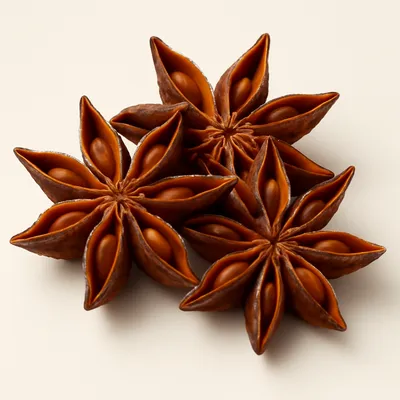


How it's made
8 steps · 10 min
- 18 min
Cut lamb into 3 cm chunks; place in cold water, bring to a boil over high heat for 5 minutes; skim foam thoroughly; drain and rinse under cold water.
Watch outSkim the grey foam thoroughly on the first hard boil, then drain and rinse — that scum carries the blood and off-smells that would muddy the clear stew.
- 25 min
Snip astragalus into 4 cm pieces; slice ginger; tie scallion stalks into a loose knot.
- 33 min
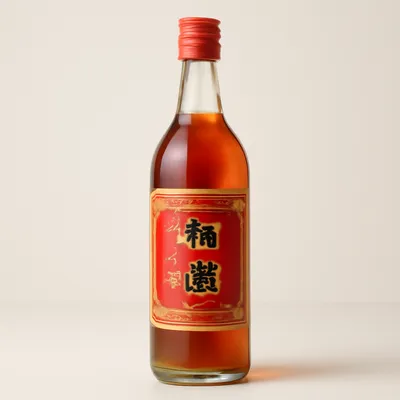
Place lamb in a clay pot (砂锅) with cold water to cover; add Shaoxing rice wine, ginger slices, and Sichuan peppercorns.
- 45 min
Bring to a full boil over high heat; skim any remaining foam; add astragalus pieces and star anise.
- 590 min
Cover and reduce to the lowest possible heat; slow-stew for 90 minutes, maintaining a barely visible simmer.
Watch outHold a barely visible simmer for 90 minutes — a hard boil clouds the broth and toughens the lamb before the astragalus gives up its full character.
- 630 min
Uncover, add red dates, and continue stewing for 30 minutes.
- 75 min
Add goji berries and salt; stir gently; simmer uncovered for 5 minutes.
- 84 min
Discard scallion knot and star anise; ladle into bowls and serve hot.
Archive tool suggestions — not reviewed
These legacy suggestions have not been evidence-reviewed and are not presented as required tools.



