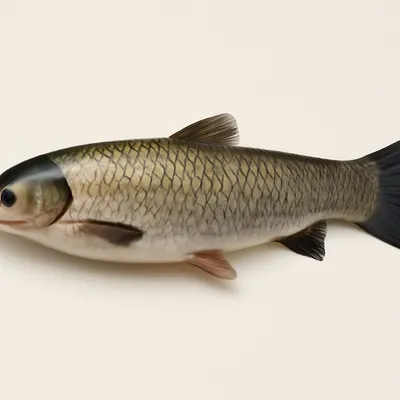
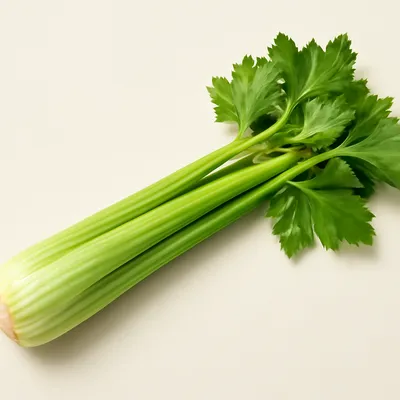
Teochew cold-platter sashimi of wind-dried grass carp sliced to translucent 0.5 mm sheets and served with a spread of julienned ginger, celery, coriander, crushed peanuts and preserved radish. Diners assemble their own bite and dip into a punchy fish-sauce-and-tangerine dressing — a dish that has anchored the 打冷 tradition for centuries.



China's raw fish tradition (鱼脍) stretches back to the Western Zhou: the Ode 《诗经·小雅·六月》 records 炰鳖脍鲤 — 'steamed turtle and sliced raw carp' — commemorating the feast held by general Yin Jifu upon returning from King Xuan's campaigns circa 823 BCE; the 兮甲盘 bronze inscription records those same campaigns but does not itself contain this phrase. The Tang dynasty saw raw fish feasts celebrated in verse by Li Bai and Bai Juyi. For Teochew, the pivotal documentary record is the Qianlong-era Chaozhou Prefecture Gazetteer (1736–1796) compiled by Zhou Shuxun, which states: 'oysters, shrimp and fish eaten raw are considered the finest flavours' (蚝生、虾生、鱼生之类,辄为至味). The Qing author Li Diaoyuan wrote in Nan Yue Bi Ji that 'Lingnan people crave raw fish' (粤俗嗜鱼生). The 打冷 format — cold platters at open-air stalls — was popularised by Teochew hawkers in Hong Kong from the 1950s, the name 打冷 a Cantonese rendering of the Teochew street cry 担篮啊.
A sheaf of silken, faintly sweet fish slices — cool, almost grassy — that the diner wraps with ginger, celery and crushed peanut, then drags through a bright fish-sauce dressing. The first sensation is cool and yielding; then the ginger cuts in, sharp and clean; the peanut oil blooms last.
Wind-drying the fillet for 20–30 minutes after slaughter evaporates surface moisture and mildly activates endogenous proteolytic enzymes, tightening muscle fibres to give the flesh a firmer, springier texture than unwilted raw fish. At 0.5 mm, the slices are thin enough that light passes through nearly intact myofibril bundles, producing the signature translucency. Salt and acid in the dipping sauce begin superficial protein denaturation instantly on contact, nudging the surface texture from fully raw toward just-set. Allicin from the garlic and isothiocyanates from the coriander add mild antimicrobial activity to the condiment layer.
Variations
Silver carp or bighead carp can substitute for grass carp; some cooks prefer yellow croaker for its finer texture. Restaurants often rinse the fillets briefly in high-proof baijiu before slicing. Those avoiding raw fish may order white-cut fish (白切鱼) — steamed and sliced — with the same condiments as a cooked equivalent.
On the Palate
Where Raw Grass Carp Sashimi sits in the Chinese flavor cloud
Ingredients
Serves 4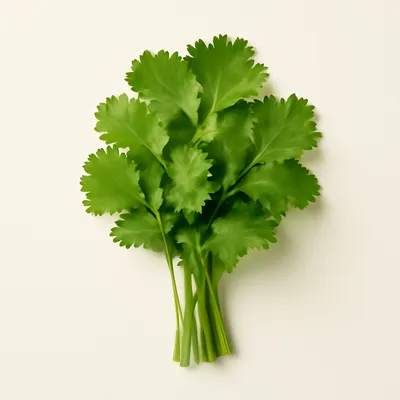


How it's made
7 steps · 30 min
- 15 min
Select a live grass carp of about 1.5 kg from a clean sandy pond; slaughter swiftly, scale, and gut immediately.
- 25 min
Remove skin and backbone cleanly without rinsing the flesh under water; wipe away all blood with a dry cotton cloth.
- 330 min
Hang both fillets on an iron hook in a cool, ventilated spot for 20–30 minutes until the surface feels dry and springs back when pressed.
Watch outWind-dry the fillets twenty to thirty minutes until the surface is dry and springs back — this firms the flesh for clean, translucent slices.
- 410 min
Prepare condiments: julienne 30 g fresh ginger, separate celery leaves, roughly chop coriander, crush roasted peanuts, and finely dice preserved radish.
- 55 min
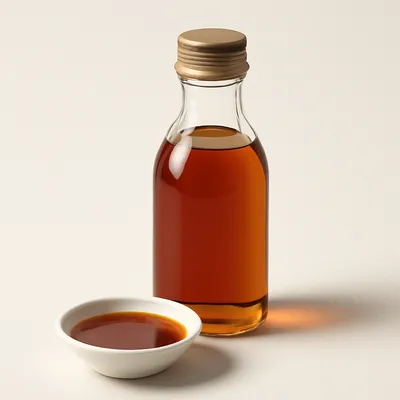
Mix dipping sauce: 2 tbsp fish sauce, 1 tbsp light soy sauce, half tsp sesame oil, 2 minced garlic cloves, and a squeeze of tangerine juice; adjust seasoning.
- 610 min
Using a thin, razor-sharp blade, slice the wind-dried fillets against the grain into sheets no thicker than 0.5 mm; hold each slice to the light — it should be translucent.
Watch outSlice against the grain no thicker than 0.5mm — held to the light each slice should be translucent, or the texture turns chewy.
- 75 min
Fan slices across a chilled platter set over crushed ice; arrange condiments in small side dishes. Serve immediately and finish within 10 minutes of slicing.


