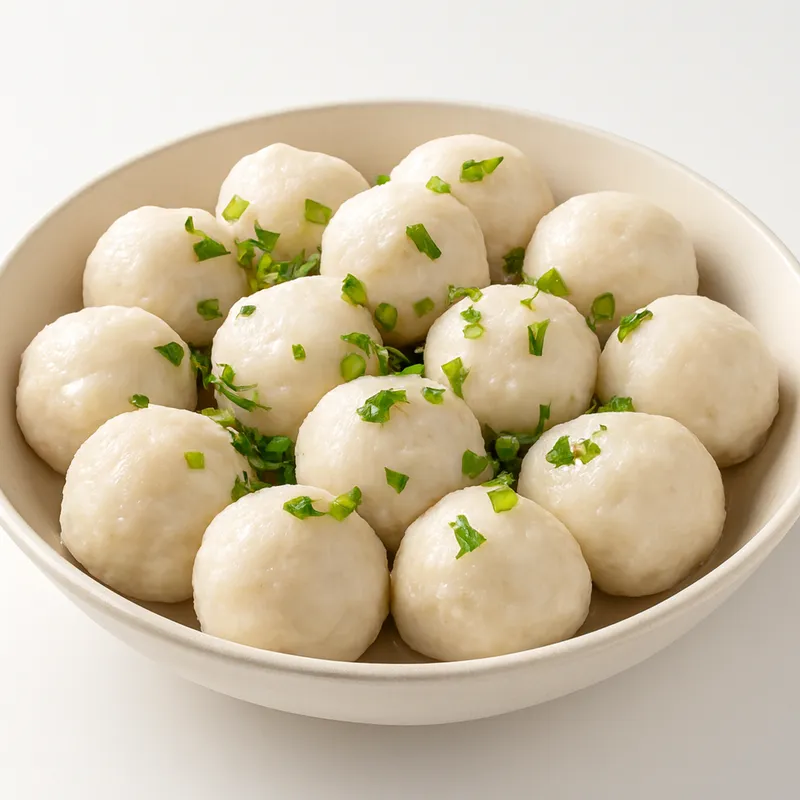
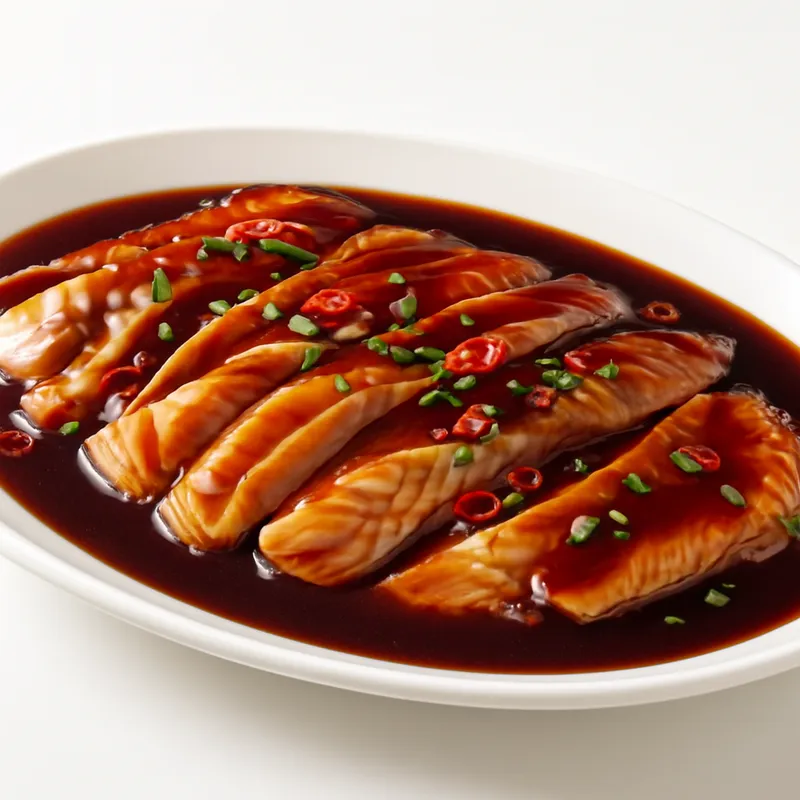
Southern Hunan breakfast bowl — rice noodles in fish broth topped with fresh-cooked fish slices, pickled chili, and fermented black beans.



Hengyang sits on the Xiang River in southern Hunan; the documented lineage of the dish traces to Zhajiang town's rice noodles, praised in the late-Qing Hengyang County Gazetteer as 'a wonder of the western county'. The fish-noodle bowl as a breakfast format consolidated in Hengyang's old town in the early 20th century, distinct from neighboring Guilin's rice noodle (which uses pork-bone broth and braised meats) by building a stock of pork tube-bones and soybeans simmered overnight, then cooking the day's freshly killed river fish into it, finished with Hunan's pickled chili.
Hengyang's old-town breakfast since the early 1900s, distinct from Guilin rice noodle by leaning entirely on the day's Xiang River catch. Milky broth comes from emulsifying fat into water at a hard rolling boil — slow simmer keeps it thin.
Milk-white broth, slightly sticky from fish-bone gelatin, with rice noodles softer than Guilin's and a pile of just-poached fish slices that fall apart at chopstick pressure. The duo-la-jiao gives a sharp pickled bite that cuts the richness; fermented black beans punch through with an umami floor. Eaten at 6 a.m. before market work. Ask for it 'thick' (浓汤) — thin broth means the cook didn't boil hard enough.
The milky broth is built on a stock of smashed pork tube-bones and soybeans simmered overnight at a gentle ~80°C; the marrow, gelatin, and fat slowly emulsify into the water and the broth turns from clear to white the longer it cooks. It is a long low simmer, not a hard rolling boil. The lard-fry of head and bones first is also load-bearing: it Maillards the proteins so the broth has roasted depth, not just gelatin.
Variations
Zhajiang (Hengyang county) is the acknowledged origin; Hengnan's Santang-town fish noodle later rose to rival and even surpass it in reputation, and Qidong adopted the style with shops of its own — all use live fish killed and cooked to order. By contrast, Chenzhou's Qifengdu fish noodle runs a red, fiery broth (bean paste, tea-seed oil, chili powder), whereas Hengyang keeps a clear white broth for the pure freshness of fish and bone.
On the Palate
Where Hengyang Fish Noodle sits in the Chinese flavor cloud
Ingredients
Serves 2



How it's made
5 steps · 20 min
- 115 min
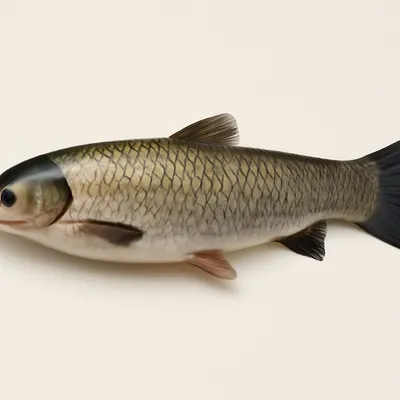
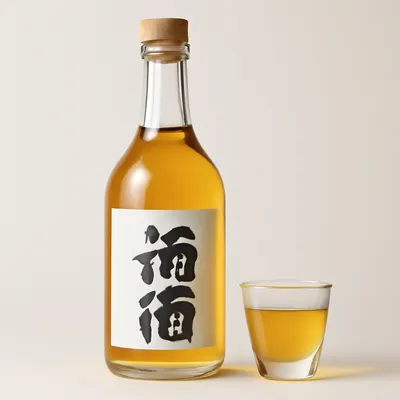
Fillet a 600g grass carp or silver carp. Reserve head and bones. Slice fillet against the grain into 4mm pieces; marinate with rice wine, salt, white pepper, and a teaspoon of sweet potato starch for 15 minutes.
- 225 min
Fry head and bones in lard until both sides are deeply browned. Add ginger slices, then 1.5L hot water — must be hot, cold water makes a thin gray broth. Boil hard for 25 minutes until the broth turns milky white.
Watch outBrown the head and bones hard in lard first, then hit them with hot water — never cold — and keep it at a fierce boil; the fat and gelatin only emulsify white on a rolling boil, cold water leaves it thin and gray.
- 33 min
Strain broth through a fine sieve. Season with salt and a splash of fish sauce. Keep at a low simmer.
- 422 min
Soak Hengyang dry rice noodles in warm water for 20 minutes, then blanch in boiling water for 30 seconds. Drain into deep bowls.
Watch outDo not over-blanch the noodles to prevent them from becoming mushy.
- 52 min
Slip fish slices into the simmering broth, off heat — they cook in 40 seconds. Pour broth and fish over the noodles. Top with chopped duo-la-jiao (Hunan pickled red chili), fermented black beans, scallion greens, and a dab of lard.
Watch outSlip the fish slices in off the heat — they cook through in about 40 seconds in the residual heat; leave them on the boil and they toughen and shred.