Shunde's living fossil of Chinese gastronomy — a live freshwater fish is bled, chilled, and sliced to half a millimeter using the eight-cut method, then fanned on crushed ice and surrounded by twenty-plus condiments for tableside tossing.
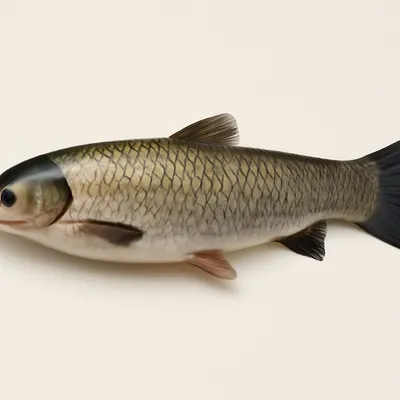



Eating raw fish (脍, kuài) in China stretches back more than two thousand years — the Classic of Poetry records 'sliced carp,' and Tang court feasts prized elaborate fish-cutting. In the Pearl River Delta's mulberry-fishpond heartland, where freshwater fish were always abundant, the custom survived the nationwide decline of the Qing era. The late-Qing record 《粤游小识》 noted: 'Cantonese delight in serving guests fish sashimi, with dozens of small condiment dishes.' Modern Shunde revived and systematized the preparation in the 1990s; in 2019 the local government issued a full-supply-chain control standard governing every stage from fish pond to plate.
The fish dissolves before you can chew — cold, sweet, with a faint grassy pond note; then ginger heat blooms, peanuts anchor the fat, a spray of lemon lifts everything, and your chopsticks have already reached for the second pinch.
Severing the gill arteries and letting the fish bleed out in clean water removes myoglobin, leaving the flesh a snowflake white. Chilling on ice firms the muscle proteins so the blade achieves 0.5 mm slices without tearing. At that thinness, cell membranes rupture cleanly, releasing free glutamate and natural sugars directly onto the palate — no heat needed to break them down, which is why raw Shunde fish tastes sweeter and more immediate than any cooked preparation.
Variations
Grass carp (草鱼) is the Shunde standard, prized for its firm, sweet flesh. Some restaurants use silver carp for silkier texture, or bighead carp cheek meat for extra collagen. A banquet version pairs raw fish with translucent raw shrimp slices. The condiment spread ranges from a purist trio of sesame oil, salt, and ginger to fifty-dish arrays; veteran Shunde diners typically insist on fewer condiments, believing elaborate spreads mask the fish's intrinsic sweetness.
On the Palate
Where Shunde Raw Fish sits in the Chinese flavor cloud
Ingredients
Serves 4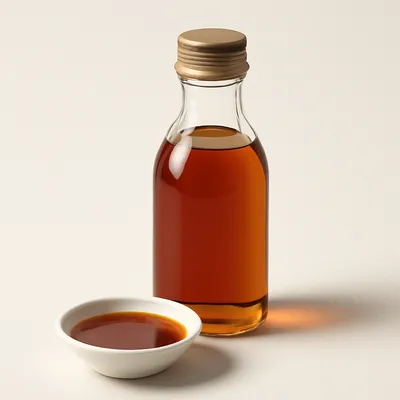

How it's made
7 steps · 1 hour
- 110 min
Withhold feed from a 750g live grass carp for 2 days to clear the gut. Kill by severing the gill artery and tail base simultaneously, then return the fish to clean water for 5 minutes to bleed out fully until the flesh turns pure white.
Watch outBleed the fish fully in clean water until the flesh turns pure white — leftover blood leaves it pink and muddy-tasting, wrong for raw.
- 220 min
Scale, gut, and remove the head. Fillet both sides cleanly, then peel the skin away in one smooth motion. Lay fillets on a tray of crushed ice and refrigerate 15 minutes to firm the muscle.
Watch outChill the fillets on ice fifteen minutes to firm the muscle — warm flesh tears under the blade instead of slicing to paper-thin.
- 315 min
Place one chilled fillet flat on the board. Using a razor-sharp thin-blade cleaver, slice across the grain at a 15-degree angle, working from tail to head, producing translucent sheets no thicker than 0.5 mm.
Watch outSlice across the grain into sheets no thicker than half a millimetre — thin enough to read print through is what releases the sweetness.
- 43 min
Fan the slices in overlapping layers on a chilled plate set over crushed ice. The flesh should be translucent enough to read newsprint through.
- 57 min
Julienne fresh ginger, white radish, kohlrabi, carrot, and lemon zest into fine threads. Toast sesame seeds in a dry wok until golden. Crush roasted peanuts coarsely.
- 62 min
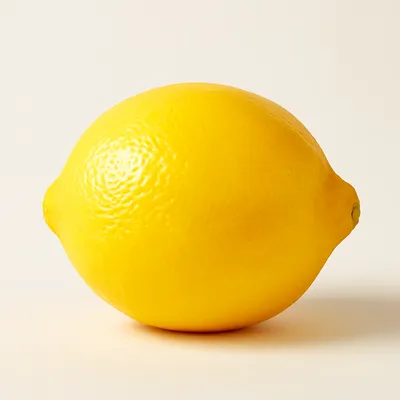
Arrange all condiments in small individual dishes surrounding the central fish platter. Mix the dressing: sesame oil, light soy sauce, and fresh lemon juice in a 2-to-1-to-1 ratio.
- 73 min
Diners select condiments, layer them over the fish, drizzle dressing, toss gently with chopsticks, and eat immediately before the ice-cold flesh warms.
Watch outToss and eat at once before the ice-cold flesh warms — let it sit and the texture slackens and the clean sweetness fades.

