A Xuzhou banquet dish in which a whole fish is hidden inside a thick block of bone-in mutton and the two are stewed together, so the gaminess of the mutton and the sweetness of the fish temper and lift each other. The mutton is cured, blanched, then split from the side to make a pocket just large enough to hold the fish, and braised over a low flame until the meat is falling-tender. By tradition the pairing follows the seasons — gelded mutton with crucian carp in summer and autumn, yak mutton with mandarin fish in spring and winter. It is often called the first great dish of Jiangsu cuisine.




The dish belongs to the cooking of Xuzhou, known in antiquity as Pengcheng, the seat from which the legendary long-lived sage Pengzu is said to have taken his name. Legend holds that some 4,300 years ago Pengzu's youngest son Xiding loved to fish; forbidden by his father, who feared he would drown, the boy once hid his catch inside a pot of stewing mutton, and the unexpectedly delicious result became this dish. The same legend is often invoked to explain the character 鲜 ("fresh," written with the elements for fish and lamb) — but this is a popular back-formation: the Han-dynasty Shuowen Jiezi glosses 鲜 as the name of a fish, a phonetic compound, not a fish-and-lamb meaning-character, and scholars treat the fish-and-lamb story as a later folk reading. The legend cannot be verified as history and is best read as tradition; what is documented is that Xuzhou's old name was Pengcheng and that the dish is long established in the local repertoire.
A dense block of bone-in mutton, scored open at the side, sits in a clear, faintly oily broth; inside hides a whole fish that only reveals itself when the meat is cut. The mutton is tender to the point of slipping off the bone, rich and warming with the clean wild edge that mutton fat gives off, while the fish inside stays sweet, soft and clean-tasting. The two flavors meet at the seam — neither the muttony heaviness nor the fishy thinness you might fear, but a rounded, layered savouriness that the Chinese sense of "鲜" was named for.
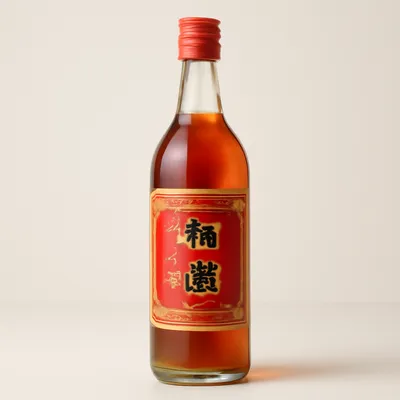
The whole point is to make two strong, mutually-suspicious flavors cooperate. The mutton is first rubbed with Shaoxing wine, salt, Sichuan peppercorn, ginger and scallion and cured for several hours, then blanched to drive off the muttony foam and blood that would otherwise muddy the broth. A pocket is cut from the side — never all the way through — so the fish is sealed inside the meat, which both protects the delicate fish from breaking up and forces the two to exchange flavor as they cook: the mutton's warm fat penetrates the fish while the fish's sweetness diffuses into the meat. The pot is brought to a boil, the scum skimmed clean, then held at a bare simmer — barely trembling, never a hard boil — for two to three hours, so the collagen in the mutton softens to falling-tender without the fish disintegrating. A finish of sesame oil rounds it off.
Variations
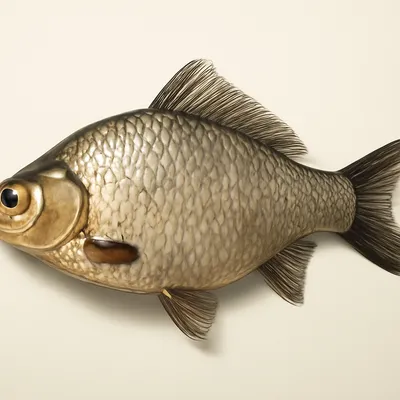
The classic seasonal rule pairs gelded mutton with crucian carp in summer and autumn, and yak mutton with mandarin fish in spring and winter, the firmer mandarin fish standing up better to longer winter braising. Some cooks stuff a smaller fish into a pocket in a single large cut of mutton; others arrange mutton and fish in layers in the pot. Modern Xuzhou banquet versions plate the sliced mutton to reveal the hidden fish as a showpiece, and the same fish-and-mutton logic survives in the region's simpler crucian-carp-and-mutton soup.
On the Palate
Where Fish-Stuffed Mutton sits in the Chinese flavor cloud
Ingredients
Serves 4

How it's made
8 steps · 6 hours 30 min
- 1370 min
Rub a thick block of bone-in mutton all over with Shaoxing wine and salt, then work in Sichuan peppercorn, ginger and scallion, and cure for about 6 hours.
- 215 min
Blanch the cured mutton in boiling water to drive off the foam and blood, then lift out and rinse clean.
- 312 min
Scale and gut a whole crucian carp or mandarin fish, score both sides, blanch briefly, rinse, and season with a little salt and Shaoxing wine.
- 48 min
Cut a deep pocket into the side of the mutton — not all the way through — just large enough to hold the fish, and tuck the whole fish inside.
- 55 min
Set the stuffed mutton in a pot, cover with cold water, and add salt, Shaoxing wine, ginger, scallion and Sichuan peppercorn.
- 620 min
Bring to a boil over high heat and skim off all the scum until the broth runs clear.
Watch outSkim relentlessly at the boil until the broth runs clear — this is your one shot at a clean soup before you drop the heat.
- 7160 min
Turn the heat to its lowest, so the surface barely trembles, and braise gently for 2 to 3 hours until the mutton is falling-tender and the fish is still whole.
Watch outHold the pot at a bare shiver, never a boil; a rolling braise breaks the fish and clouds the broth.
- 85 min
Lift the mutton onto a plate, slice to reveal the hidden fish, finish with a drizzle of sesame oil, and serve with the clear broth.
Archive tool suggestions — not reviewed
These legacy suggestions have not been evidence-reviewed and are not presented as required tools.