A Southern Song banquet dish from Hangzhou: a ripe orange is hollowed out, packed full of hand-picked crab meat and roe, capped with its own stem-topped lid, and steamed over wine, vinegar, and water. The citrus shell is both vessel and seasoning — its aromatic oils and a little juice perfume the crab from within while the steam carries wine and vinegar up through the flesh. The whole thing is eaten with a dip of vinegar and salt, the orange opened at the table. It is one of the most refined dishes of the autumn crab season, layering five tastes — new wine, chrysanthemum, fragrant orange, and crab — in a single fruit.
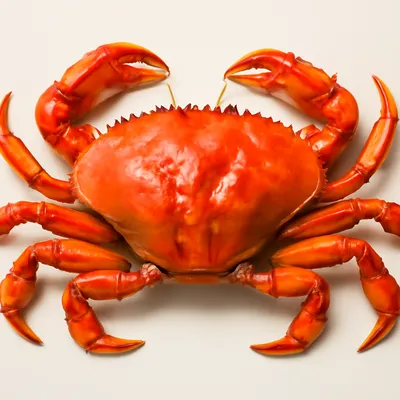
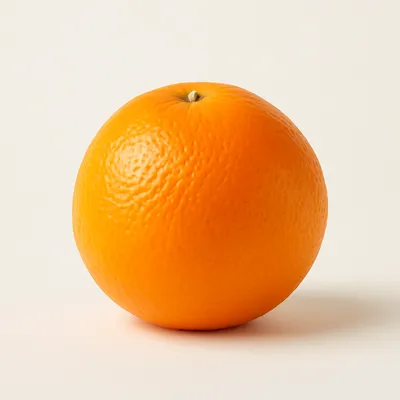
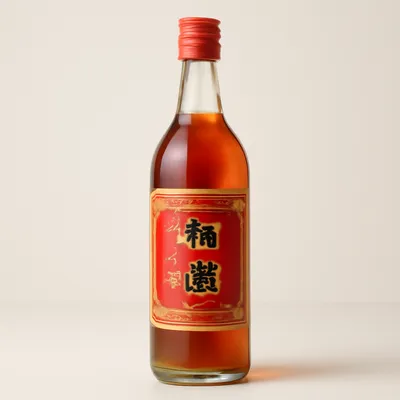



The dish is recorded in the Southern Song cookbook Shanjia Qinggong (Simple Offerings of a Mountain Hermit) by Lin Hong, a Hangzhou-era food writer. His entry reads: take a large ripe orange, cut off the top and scoop out the pulp leaving a little juice, fill it with crab roe and meat, replace the stem-topped lid, set it in a small steamer and steam it with wine, vinegar, and water; serve with vinegar and salt — fragrant and fresh, it gives one the spirit of new wine, chrysanthemum, fragrant orange, and crab. That the dish reached the Song court is corroborated by Zhou Mi's Wulin Jiushi, which lists a near-identical 'crab-stuffed orange' (the old character 枨 for orange) as the eighth wine course at the banquet the Prince of Qinghe, the general Zhang Jun, laid on for Emperor Gaozong in 1151. It is thus among the best-documented surviving dishes of Southern Song Hangzhou, and survives today as a revival piece at the city's banquet houses.
You lift the lid and the orange's perfume comes up first, riding the steam. Inside is loose crab — sweet white meat shot through with the richer, slightly bitter roe — warmed and faintly sour from the wine and vinegar that steamed beneath it. The citrus oils have soaked in, so each bite of crab carries a bright orange edge that cuts the richness of the roe. A dip of vinegar and salt sharpens it. It eats clean and aromatic, the very opposite of a heavy crab dish.
Everything rests on the hollowed orange acting as a closed steaming chamber. With the lid back on, the crab cooks in its own juices plus the aromatic oils released from the warmed peel, while the wine-vinegar-water in the steamer below sends acid and alcohol vapor up around the fruit — the acid firms the crab protein gently and the alcohol carries off any muddy off-notes, so the meat stays sweet rather than fishy. Because the crab is fully picked beforehand and only gently steamed, never boiled hard, the delicate flesh does not toughen or weep. The knife work is the real labor: a whole crab must be cleanly dismantled, meat and roe kept intact and free of shell, before it ever goes near the orange.
Variations
Lin Hong's text is terse, so modern revivals differ in the details. Some Hangzhou banquet kitchens steam the picked meat with a touch of egg and a splash of Shaoxing wine so it sets into a soft custard inside the shell; others keep the crab loose and barely bound, closer to the original. Hairy crab in its autumn prime is the usual choice for the roe, though sea crab is sometimes substituted. A vegetarian version, seen in temple and 'mountain-hermit' cooking that nods to the book's title, mimics the crab with salted egg yolk and mashed tofu or carrot.
On the Palate
Where Crab Stuffed in Orange sits in the Chinese flavor cloud
Ingredients
Serves 4
How it's made
8 steps · 1 hour
- 125 min
Steam or boil whole hairy crab until just cooked, then patiently pick all the white meat and orange roe, keeping it free of shell fragments.
Watch outPick the crab clean of every shell shard — one splinter in the sweet meat ruins a mouthful you can't see coming.
- 212 min
Choose large, ripe, thick-skinned oranges. Slice off the top as a lid and scoop out the pulp, leaving a little juice and a clean cup.
Watch outScoop the orange into a clean, unbroken cup with a little juice left — a punctured shell leaks its steam and the crab goes dry.
- 38 min
Pack the picked crab meat and roe into each orange cup; for a softer set, fold in a little beaten egg and a splash of Shaoxing wine.
- 42 min
Replace the stem-topped orange lid on each filled fruit.
- 53 min
Set the oranges upright in a steamer; pour wine, vinegar, and water into the pot beneath them.
- 620 min
Steam over medium heat for about twenty minutes, until the crab is hot through and perfumed with orange.
Watch outSteam only until heated through and fragrant — push it longer and the delicate crab toughens and weeps water.
- 73 min
Mix a small dip of rice vinegar with a pinch of salt and a little ginger.
- 82 min
Serve the oranges whole; open at the table and eat the crab with the vinegar-salt dip.
Archive tool suggestions — not reviewed
These legacy suggestions have not been evidence-reviewed and are not presented as required tools.


