Gansu's signature poultry dish: a whole duck is rubbed with a fragrant blend of Sichuan peppercorns, star anise, cinnamon, and salt, then left to cure overnight before being steamed through and finally plunged into very hot oil until the skin shatters into a deep-mahogany lacquer. Officially recognised as one of Gansu's ten classic dishes when China's authoritative 'Zhong Guo Cai' catalogue was published in September 2018.


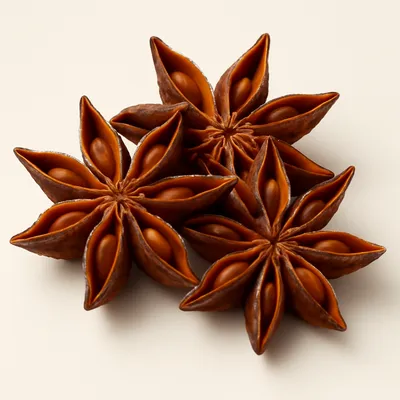
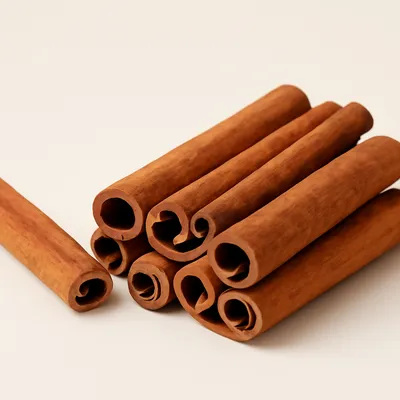


The crispy duck tradition in Gansu is rooted in the province's long history of spice trade along the Silk Road. Lanzhou merchants and caravan hosts had access to Central Asian spices — Sichuan peppercorns, star anise, cinnamon — that distinguished Gansu's flavour profile from purely Han or purely Muslim cooking. The technique of marinating, steaming, and then frying to achieve maximum crispiness was refined by Lanzhou restaurant kitchens over the twentieth century, with the dish gaining formal national recognition when listed among Gansu's ten classic dishes in the 2018 'Zhong Guo Cai' catalogue.
The first bite delivers a shattering crack — the skin is bone-dry and mahogany-dark, yielding to tender, spice-perfumed meat beneath. Sichuan peppercorn's tingle sits alongside star anise warmth; the meat pulls cleanly from the bone, moist from the earlier steam despite the subsequent high-heat fry.
The three-stage process achieves two seemingly opposite goals — juicy interior and shatteringly crisp exterior. Overnight marination drives salt and spice aromatics deep into the muscle; steaming cooks the meat gently through (internal temp ~80°C) while keeping it moist. Air-drying then removes surface moisture. When the dried skin hits 200°C oil, residual water flash-vaporises and the Maillard reaction browns the proteins and sugars at the surface; without interior moisture to re-wet it, the skin sets as a rigid, crackling lacquer.
Variations
A Hui Muslim variant omits star anise and substitutes cumin and dried chilli for a more Central Asian spice profile. Some Lanzhou restaurants serve the duck on a bed of shredded spring onions with a tangy sesame-vinegar dip. Festive versions add a lacquer glaze of maltose syrup brushed on before frying for extra colour and gloss.
On the Palate
Where Longshang Crispy Duck sits in the Chinese flavor cloud
Ingredients
Serves 4

How it's made
7 steps · 30 min
- 110 min
Clean a 2 kg duck, trim excess fat around the cavity, and score the skin lightly all over to help spices penetrate and fat render.
- 210 min
Combine 2 tbsp salt, 1 tbsp Sichuan peppercorns (dry-toasted and crushed), 2 star anise, 1 tsp ground cinnamon, and 3 cloves; rub evenly over the duck inside and out.
- 3720 min
Add 2 tbsp rice wine and 3 slices of ginger to the duck; cover tightly and refrigerate overnight for at least 12 hours to cure.
- 450 min
Remove duck from the marinade; shake off any large spice pieces. Place on a steaming rack with fresh ginger and scallion. Steam over high heat for 45 minutes until fully cooked through.
Watch outSteam a full 45 minutes until fully cooked through — undercooked meat here won't crisp right later.
- 530 min
Lift duck out; discard aromatics. Place on a wire rack and fan-dry or air-dry for 20–30 minutes until the skin surface is completely dry to the touch.
Watch outAir-dry until the skin is bone-dry to the touch with no tackiness — surface moisture is what stops the skin from crackling.
- 615 min
Heat deep-frying oil to 200°C. Carefully lower the duck and fry for 8–10 minutes, continuously basting the top with hot oil, until the skin is deep mahogany and shatteringly crisp.
Watch outBaste with hot oil until the skin goes deep mahogany and crackles — that lacquer sheen means the water's flashed off and the crust has set.
- 78 min
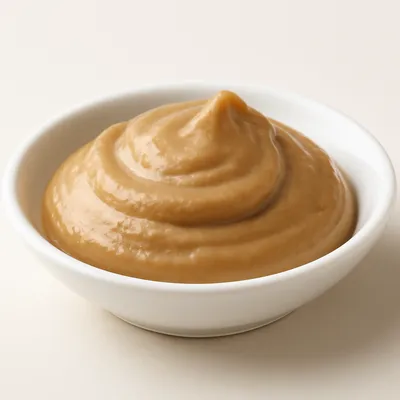
Drain on a rack; rest 5 minutes, then chop along the bone into serving pieces. Arrange on a platter; serve with sesame paste, soy, and vinegar dipping sauce, garnished with scallion curls.
Archive tool suggestions — not reviewed
These legacy suggestions have not been evidence-reviewed and are not presented as required tools.


